International
Top 5 Mission Impossible film stunts that will give you goosebumps

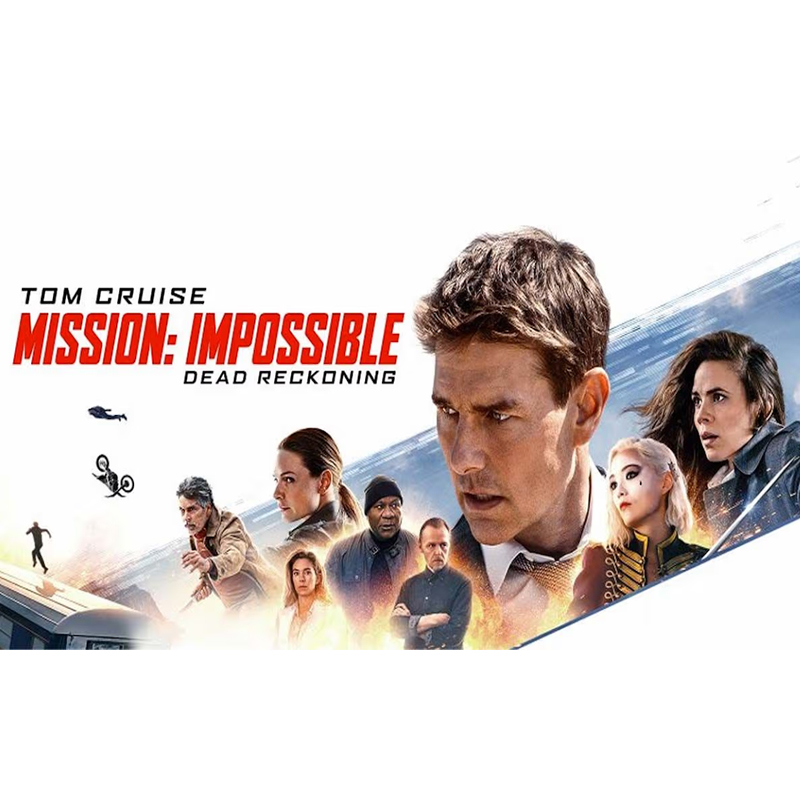
Mumbai: Lethal agent Ethan Hunt is back on the radar with yet another high-octane adventure from the Mission Impossible franchise. The enthralling twists and turns from the upcoming seventh film of this series is certain to leave audiences at the edge of their seats. The story of Mission Impossible: Dead Reckoning – Part One follows Ethan Hunt and the IMF team, who must track down a terrifying new weapon that threatens all of humanity if it falls into the wrong hands. With control of the future and the world’s fate at stake, a deadly race around the globe begins. Slated to release on 12 July 2023, fans can watch the film at their nearest PVR INOX cinemas. While the excitement is just about to unfold, here are Tom Cruise’s most incredible stunts from the franchise that will continue to be remembered for years.
Scaling over The Burj Khalifa

In Mission Impossible: Ghost Protocol, released in 2011, Tom Cruise climbed the Burj Khalifa, the world’s tallest building, with no stunt double. He suspended himself from the building’s exterior, showcasing his strength and agility. This stunt was hailed by critics and fans across the globe.

Setting A Record For Underwater Breath Hold
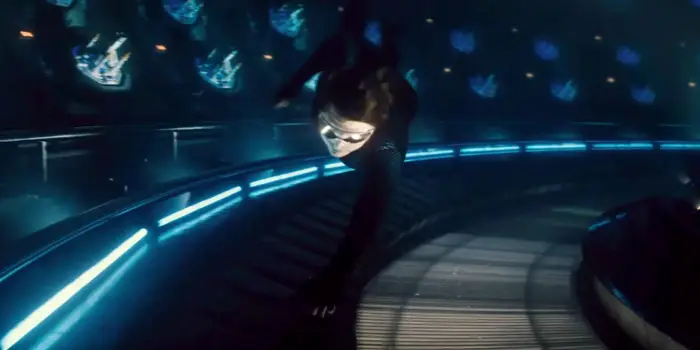
In Mission Impossible: Rogue Nation, Tom Cruise, who essayed Ethan Hunt held his breath underwater for six whole minutes! His record was recently defeated by Kate Winslet; however, the training Cruise undertook was looked upon by audiences globally and depicted in the stellar film scene that received a standing ovation.
Hanging From A Plane
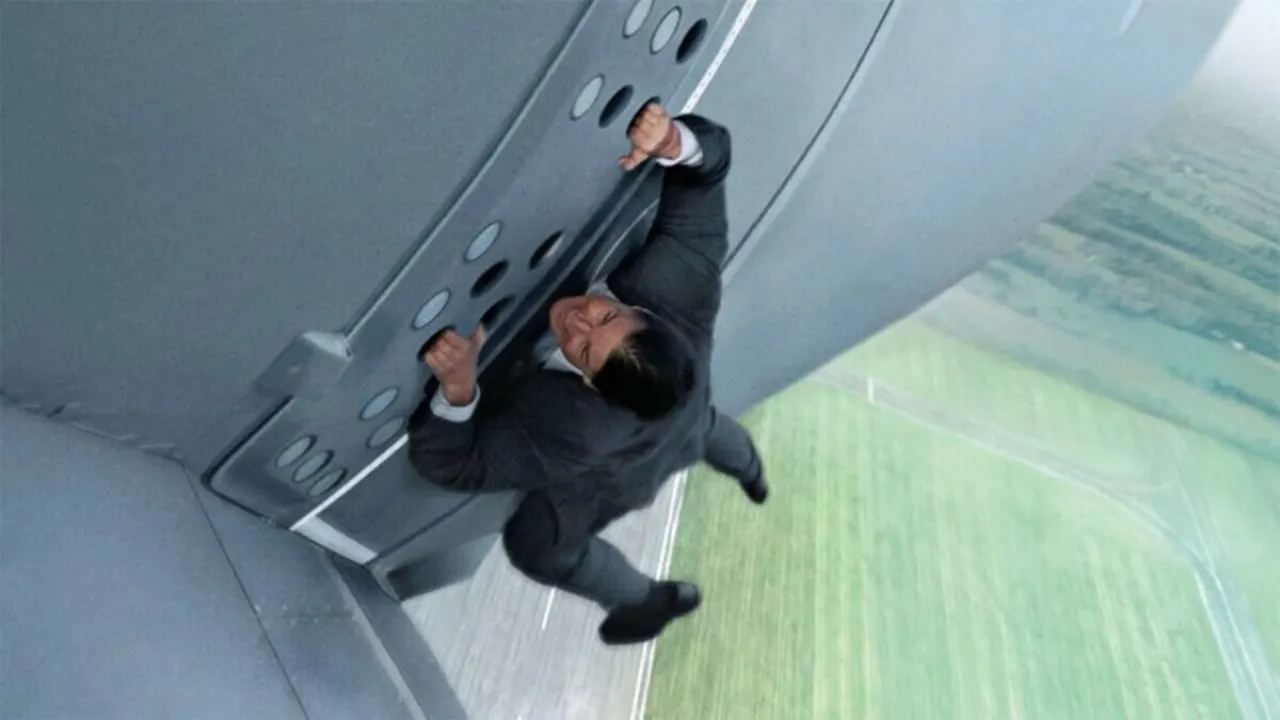
For Mission Impossible: Rogue Nation, Tom Cruise performed an incredible stunt by clinging to the side of an airplane during take-off. The aircraft reached a speed of nearly 140MPH, but Cruise still risked his life to deliver a satisfying scene for fans of the franchise.
Taking A High Altitude Low Opening (HALO) Jump

For Mission Impossible: Fallout, Tom Cruise jumped from a plane at an altitude of 25,000 feet! The stunt was widely appreciated. The cameraman jumped alongside Cruise. Two cameras were running there, the one that captured the footage shown in the movie and the second one that captured the footage we were watching. HALO jumps are complicated and terrifying enough on their own. Cruise certainly impressed fans with this one.
Performing a motorcycle cliff jump!

In the upcoming film Mission Impossible: Dead Reckoning – Part One, Tom Cruise has taken a leap of faith and performed a stunt one can only imagine. Cruise rode a motorcycle off a cliff. The BTS footage revealed a few months earlier showed him practicing the stunt all day. This will be one of the most awaited stunts in the film that fans will be eager to witness!

International
Russia-India cinematic spectacle Persimmon of My Love set for grand Moscow debut
Hindi cinema style musical revives Indo-Soviet cinema ties for today

MUMBAI: A new chapter in cross-border storytelling is set to unfold as Persimmon of My Love gears up for its premiere in Moscow on 1 April 2026, marking the first large-scale cinematic collaboration between Russia and India in decades.
Positioned as a modern nod to the cultural exchange that once brought Indian classics to Soviet audiences, the film blends Hindi cinema flair with Russian storytelling, aiming to rekindle a long-standing cinematic friendship.
Directed by Marius Weisberg, the musical comedy follows two brothers navigating a lively world of music, family and romance. The lead roles are played by Demis Karibidis and Mikhail Galustyan, with Karibidis also contributing as a screenwriter.
Shot entirely in India, the production leans heavily into Hindi cinema style spectacle. Filming took place across Mumbai studios and the cities of Udaipur and Jodhpur, whose architecture was used to create the fictional setting of Khurmada. A crew of over 350 worked on the project, with large-scale sequences featuring up to 1,000 extras.
The film also brings Indian creative talent into the mix. Dance sequences are choreographed by Jay Kumar, while music by Zurab Matua features songs in both Hindi and Russian, adding to its cross-cultural appeal.
Backed by TNT channel, MyWayStudio and the Russian Cinema Fund, the project reflects a broader push to strengthen cultural ties between the two countries.
With its mix of colour, comedy and cross-border collaboration, Persimmon of My Love is not just a film release but a reminder that cinema, much like music, travels well across borders.






