iWorld
TO THE NEW Venture growing 100% YoY: Puneet Johar

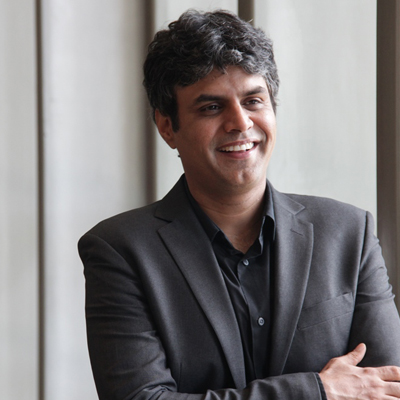
MUMBAI: In the wake of the digital boom, internet product & services company TO THE NEW Ventures, which specialises in emerging markets, has witnessed a 100 per cent year on year (YOY) growth.
What’s more the company’s services business has witnessed of growth of 40-50 per cent, whereas its consumer internet business comprising American Swan and #fame have also been growing 100 per cent YOY.

TO THE NEW five businesses include TO THE NEW Digital, American Swan, #fame, Blogmint and ThoughtBuzz.
#fame has been great combination of the engagement of social media with the power of live video where users can go live on a simple click of a button on their mobile.
Speaking to Indiantelevision.com, TO THE NEW Ventures CEO Puneet Johar said, “As a service company, technology and analytics are the two cores of digital offering. Content and marketing is always the icing on the cake as they clearly engage with the consumer. If you see the overall growth, our company is growing 100 per cent year on year, our services business is growing around 40-50 per cent and our consumer internet business is growing by 100 per cent year on year.”
Talking about the growing digital space, Johar added, “Smartphones, internet connections and mobile internet have all witnessed a tremendous growth so obviously people are consuming more content on mobile devices, which is an irreversible phenomenon in my opinion.”
From the advertisers’ perspective, people are using digital for engagement, innovation as well as for reach. “There are different matrixes available where people can measure their results from social media and videos. Targeting is much more superior than print or any other media as far as digital is concerned. We believe the intensity of targeting will only get strengthened over the next two years when more and more machines will come, which is already happening based on people’s past usage. We will see targeting based on more and more usage,” Johar informed.
Over the past few years, the digital space has been growing by rapidly. It’s already a big and sizable platform now. Johar said, “Approximately Rs 4000 – 5000 crore was spent on digital this year. It’s already a very big platform in India and it will only get bigger and bigger in the coming days. In the next five – six years it will become as big as print.”
While on the one hand there are the popular upper crust channels that do well in terms of viewership, on the other there are also those at the bottom rung, which don’t command healthy viewership. Johar said, “It’s very tough to aggregate and do a campaign with measured money. However on the digital platform, even on a smaller budget, one can make a good impact on the target group with creative content. One can create a lot of buzz on digital as opposed to television. In today’s time, the consumer likes to discover things, they like to interact rather than being just told about it.”
Throwing light on digital monetisation, he said, “In a business, which is just one year old, we are not worried about profitability. Currently we are more concerned about user’s usage and increased viewership. I think profitability will naturally be slow with these things.”
TO The NEW Digital invested $10 million last year in #fame and is still working with the same funds.
Reliance Jio offering a unique combination of telecom, high speed 4G internet data, digital commerce, media and payment services has already created a lot of buzz in the country. Opining on the same, Johar said, “I think everybody is looking forward to a great telecom infrastructure. Essentially data will be available to everyone at a compelling rate and it will expand the usage of data on all smartphones and PCs. It’s an exciting road ahead. It can be positive development for the digital environment.”
With rural India getting connected by the internet slowly but surely, digital players are smiling from ear to ear. “We are also looking forward to the infrastructure enhancement. While I do believe data is expensive now, the cost is likely to come down soon. Rural India will start adopting when the cost will come down. This will happen sooner or later and things will change,” he said.
Johar informs that TO THE NEW is eyeing new revenue models from advertising, subscription and gamification in the future.
Sharing his future insight about the company, he added, “For all the three businesses, we are looking at strategic partnerships. Our aim is to have at least our key businesses namely American Swan and #fame to strike strategic partnerships so as to expand the business in India and South East Asia over the next year.”







iWorld
Cineflicks set to enter India’s OTT market with community-first focus
New platform aims to blend streaming content with interactive viewing experiences

MUMBAI: A new player is gearing up to join India’s crowded streaming arena, with Cineflicks preparing to launch as a community-driven OTT platform aimed at redefining how audiences engage with digital entertainment.
The platform plans to offer a mix of movies, series and digital content, while placing equal emphasis on building an interactive ecosystem where viewers can connect, share and participate beyond passive viewing.
India’s OTT market has seen explosive growth over the past decade, fuelled by rising smartphone penetration and affordable internet access. As streaming becomes the default mode of content consumption, new entrants are increasingly looking to differentiate themselves not just through content libraries but through user experience.
Cineflicks appears to be positioning itself within this next phase of evolution. Instead of focusing solely on scale, the platform is aiming to create a space where audiences can engage more deeply with the content they watch, turning entertainment into a shared experience rather than a solo activity.
While details around its content slate remain under wraps, people familiar with the development say the platform is currently building out features and partnerships ahead of a phased rollout. The broader strategy suggests a blend of content discovery, community interaction and digital participation.
The timing is notable. With global and regional streaming platforms competing intensely for attention, the emphasis is slowly shifting towards engagement and retention rather than just acquisition. Platforms that can foster stronger audience connections may have an edge in this evolving landscape.
Cineflicks’ entry reflects the continued expansion of India’s digital entertainment ecosystem, where innovation is increasingly being driven by how content is experienced, not just what is offered.
As the platform moves closer to launch, the real test will be whether it can translate its community-first pitch into a compelling, everyday habit for viewers.







