Applications
Times Internet adopts Unified ID 2.0


Mumbai: Times Internet announces its adoption of Unified ID 2.0 (UID2), a revolutionary identity framework designed for the open internet. This cutting-edge identity solution empowers advertisers to deliver highly targeted content by aligning first-party data with audience information within Times Internet’s fully authenticated logged-in dataset. In response to the deprecation of third-party cookies, forward-thinking publishers are embracing privacy-conscious approaches to navigate the evolving advertising landscape and strategies for a cookie-free future.
The Trade Desk spearheaded the development of UID2, empowering consumers through a privacy-conscious identifier linked to encrypted email addresses. This open-source identity framework has swiftly gained traction among technology providers, advertisers, and publishers reliant on advertising revenue to sustain their businesses and support quality journalism.
As India’s most prominent digital media conglomerate, Times Internet boasts an extensive network with over 415 million monthly visitors, reaching more than 54 per cent of internet users nationwide. Home to established brands such as TOI (Times of India), Economic Times, and GadgetsNow, Times Internet proudly becomes the first digital partner in India to embrace this innovative identity solution. UID2, which is interoperable with other identity frameworks, prioritises privacy and transparency while enabling advertisers to connect with more relevant audiences.

Times Internet COO Puneet Gupt heralds a new era for India’s digital media landscape as the company takes a bold step forward by adopting Unified ID 2.0. In alignment with the industry’s data-driven evolution, this innovative identity framework not only empowers advertisers with precise targeting capabilities but also underscores Times Internet’s commitment to delivering premium content that readers trust. Unified ID 2.0 enhances the user experience, offering more relevant advertising while ensuring consumers enjoy heightened protection and control in the ever-changing digital advertising landscape.”
The Trade Desk general manager of inventory partnerships Bihao Pan emphasised the significance of Unified ID 2.0 in the evolving advertising landscape, stating, “The deprecation of third-party cookies necessitates publishers adopting independent, privacy-centric solutions like Unified ID 2.0. As we progress towards a cookie-free future, Unified ID 2.0 offers an upgrade to current industry standards, resulting in a more personalised advertising experience for consumers. It also helps publishers address advertisers’ requirements for enhanced targeting and better measurement across various digital platforms. We’re proud to support Times Internet in their pioneering efforts for media in India.”







Applications
With 57 per cent single new users, Ashley Madison rebrands as discreet dating platform
Platform says majority of new members now identify as single
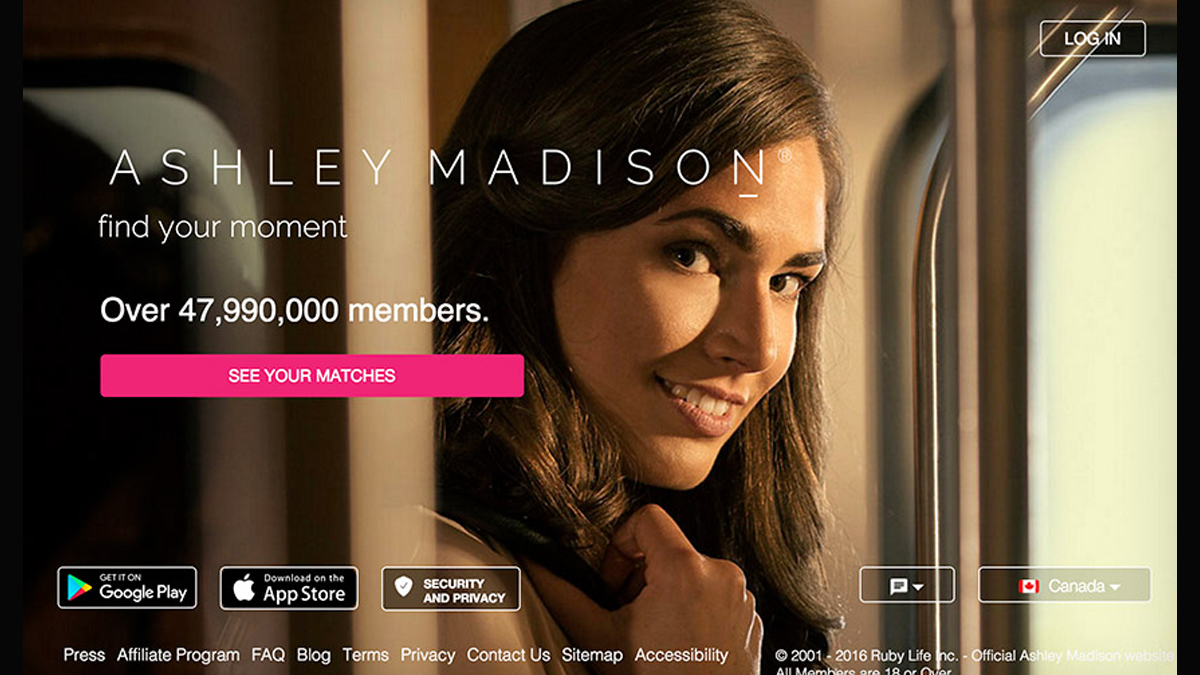
INDIA: Ashley Madison is shedding the “married-dating” label that defined it for two decades, repositioning itself as a platform for discreet dating in what it calls the post-social media age.
The rebrand, unveiled in India on 27 February, 2026, marks a structural shift in business model and identity. Once synonymous with married dating, the company now describes itself as the “premier destination for discreet dating” under a new tagline: Where Desire Meets Discretion.
The pivot is data-driven. Internal figures show that 57 per cent of global sign-ups between 1 January and 31 December, 2025 identified as single: a notable departure from the platform’s married core. The company argues that its community has already evolved beyond its original positioning.
“In an age where our lives have been constantly put on public display, privacy has become the new luxury,” said Ashley Madison chief strategy officer Paul Keable. He framed the platform’s offering as “ethical discretion” for singles, separated, divorced and non-monogamous users seeking private connections.
The shift also taps into wider digital fatigue. A global survey conducted by YouGov for Ashley Madison, covering 13,071 adults across Australia, Brazil, Canada, Germany, India, Italy, Mexico, Spain, Switzerland, the UK and the US, found mounting discomfort with hyper-public online lives.
Among dating app users, 30 per cent cited constant swiping and messaging as a source of fatigue, while 24 per cent pointed to pressure to curate public-facing profiles and early personal disclosure. Some 27 per cent said fears of screenshots or information being shared contributed to exhaustion; an equal share cited unwanted attention.
The retreat from oversharing appears broader. According to the survey, 46 per cent of adults actively try to keep most aspects of their life private online. Only 8 per cent feel comfortable sharing most aspects publicly, while 35 per cent say they are becoming more selective about what they disclose.
Ashley Madison is betting that this cultural recalibration towards controlled visibility can be monetised. By doubling down on privacy infrastructure and reframing itself around discretion rather than infidelity, the company is attempting to convert reputational baggage into a premium proposition.







