Hindi
Three UTV films to screen at the Shanghai Intl Film Festival

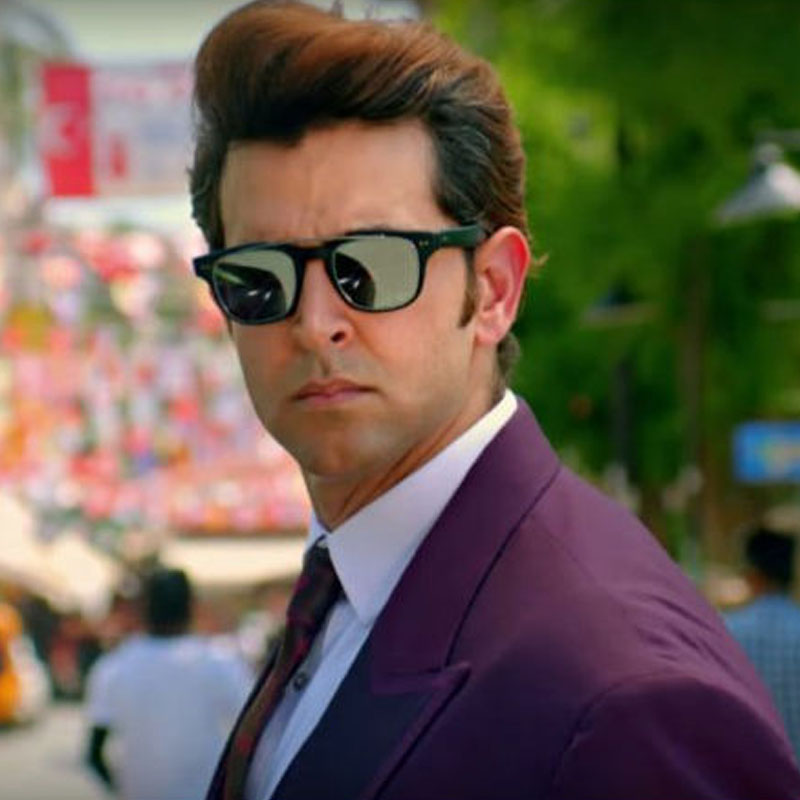
MUMBAI: Three films from the UTV stable, Ek Main Aur Ekk Tu, Dhobi Ghat and Bollywood: The Greatest Love Story Ever Told, have been selected to be screened at the 15th Shanghai International Film Festival to be held in Shanghai from 16 to 24 June. The films will be presented in the Panorama Section of the festival.
Ek Main Aur Ekk Tu has been produced by UTV and Dharma Productions and directed by Shakun Batra, while Dhobi Ghat is produced by Aamir Khan Productions and directed by Kiran Rao and has UTV as its distributor. Bollywood is produced by UTV and Shekhar Kapur and directed by Rakeysh Omprakash Mehra and Jeff Zimbalist.
Disney UTV executive director – syndication, International distribution and Disney Media Distribution, Studios Amrita Pandey said, “China is a booming market for movies and is growing at a scorching pace. There is an increasing interest for Indian content in many Asian markets like China, South Korea and Taiwan. We recently released Delhi Belly in mainstream cinemas in Hong Kong and we have seen an encouraging response.

“At UTV, we send our movies to film festivals in our focus markets and The Shanghai International Film Festival is a perfect platform to showcase our movies and to get an opportunity for 3 movies is a rare honour!”
UTV Motion Pictures‘ foray into newer markets like Hong Kong, Taiwan, Latin America, South Korea, Turkey, Romania, Russia, and Italy has led to the wider showcasing of films produced by the studio.
In the past, many of UTV‘s titles including Jodhaa Akbar, A Wednesday!, Welcome to Sajjanpur, Oye Lucky! Lucky Oye!, Mumbai Meri Jaan, Chillar Party and Welcome to Sajjanpur and more recently Delhi Belly and Paan Singh Tomar have travelled in the festival circuit.
Earlier, UTV‘s Hrithik Roshan and Aishwarya Rai Bachchan-starrer Jodhaa Akbar was screened at the Shanghai International Film Festival in 2009.




Hindi
Rashmika Mandanna, Shanaya Kapoor and Naila Grrewal climb IMDb’s Indian celebrity rankings
Upcoming films and returning shows are driving fan interest across Bollywood and streaming
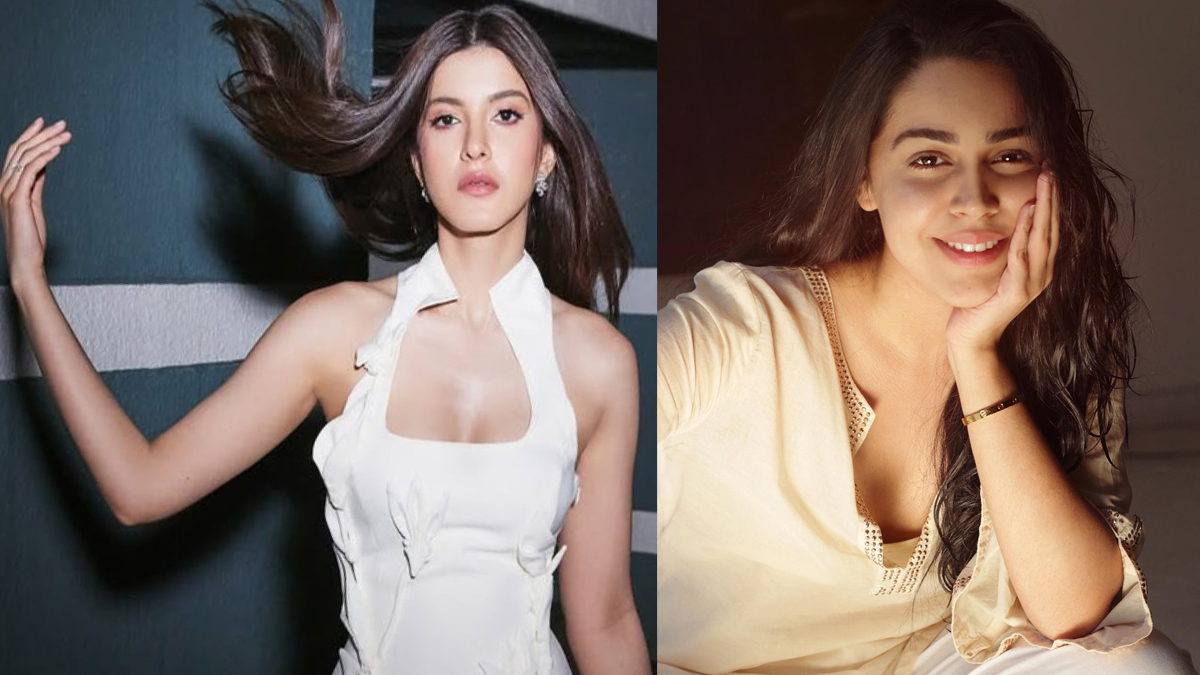
MUMBAI: Bollywood’s popularity contest has a new weekly scorecard, and the numbers are telling. IMDb’s Popular Indian Celebrities list for this week places Shanaya Kapoor at number six, buoyed by buzz around her film Tu Yaa Main. Naila Grrewal slots in at seven on the back of the returning comedy series Maamla Legal Hai, while Rashmika Mandanna climbs to eighth, riding mounting anticipation for Cocktail 2.
The list, available exclusively on the IMDb app for Android and iOS, tracks trending Indian entertainers and filmmakers each week, drawing on data from more than 200m monthly visits to the platform worldwide.
Further down the rankings, Raaka is keeping two of its biggest names in the spotlight. Deepika Padukone holds 11th position, with Allu Arjun close behind at 13th, as the film continues to find traction with audiences.
The list offers fans a weekly pulse on who is breaking through, who is holding steady, and who is fading. It is a barometer as unsparing as the box office itself.







