Cable TV
The unmatched power of TV storytelling that continues to grow


MUMBAI: In an era where everyone seems surgically attached to smartphones and attention spans are shorter than elevator pitches, one old-school screen still refuses to fade into the background: the television.
And no, it’s not just for your grandparents’ soap operas. It’s a full-blown, all-demographic, emotion-fuelled national habit. In India, TV hasn’t just survived the digital onslaught-it’s thrived, flourished, and even added a few new cushions to the family couch.
According to the PWC India Media & Entertainment Outlook 2024–2028 report, India’s TV advertising market is booming while the west hits a commercial pause. Projected to become the world’s fourth-largest by 2028, it’s expected to grow at a healthy 4.2 per cent CAGR. Clearly, India didn’t get the memo about the death of television.


And the numbers back it up. With a jaw-dropping 46 trillion viewing minutes clocked annually by 880 million viewers, the average Indian spends 3.7 hours a day with the telly—more time than with family, friends, or dare we say, their fitness app. Even gen z, often accused of having Tiktok in their DNA, is tuning in more in megacities. Meanwhile, decision-makers aged 31–50 rack up 13.8 trillion viewing minutes, proving that remote controls are still in the hands of those who call the shots—at home and in the market.
Adani Wilmar Limited head – media & fortune brand ccaptured the sentiment, “With its unmatched scale and emotional storytelling, it allows us to connect with families across the country in a way no other platform can. For a brand like ours, built on trust and everyday relevance, television remains central to how we create resonance and drive results.”
TV isn’t just about eyeballs; it’s about heartstrings. “Television remains one of the most powerful mediums for building brand trust and long-term recall,” said Colgate Palmolive India Ltd director – integrated brand experience Anagha Bhojane. “We have consistently seen how TV drives brand affinity and consumer action at scale.”
And the proof is in the programming. Shows like Anupamaa, Jhanak, Bhagyalakshmi (Kannada), Chempaneer Poovu (Malayalam), Siragadikka Aasai (Tamil), and Gunde Ninda Gudi Gantalu (Telugu) aren’t just being watched—they’re being lived, memed, and passionately debated across Whatsapp family groups. Meanwhile, non-fiction juggernauts like Bigg Boss and Laughter Chefs continue to dominate prime time, turning weeknights into a national viewing ritual.
Jyothy Labs media head Raghavendra Katte summed it up, “Television has been a cornerstone of brand building in India. The role of the medium has evolved from mere exposure to a large canvas of opportunities for brands to build a powerful connection with consumers.”
Leading the pack is JioStar, India’s TV Goliath, claiming 760+ million monthly active viewers, 90 per cent+ urban and rural household penetration, and a commanding 54 per cent prime-time share in HSM and 44 per cent in the south. For advertisers, it’s the ultimate jackpot: scale, trust, and cultural resonance wrapped in one crispy pakoda of opportunity.
The recent addition of 1.3 million Pay TV households in just 10–12 days proves the medium is far from done.
It’s not dying.
It’s diversifying—and in India, it’s dominating.
So, while global marketers chase the next shiny platform, India’s brands are sticking with the one that’s been delivering plot twists, product sales, and parental approval for decades.
In the battle for screen supremacy, TV’s still got the best seat in the house.

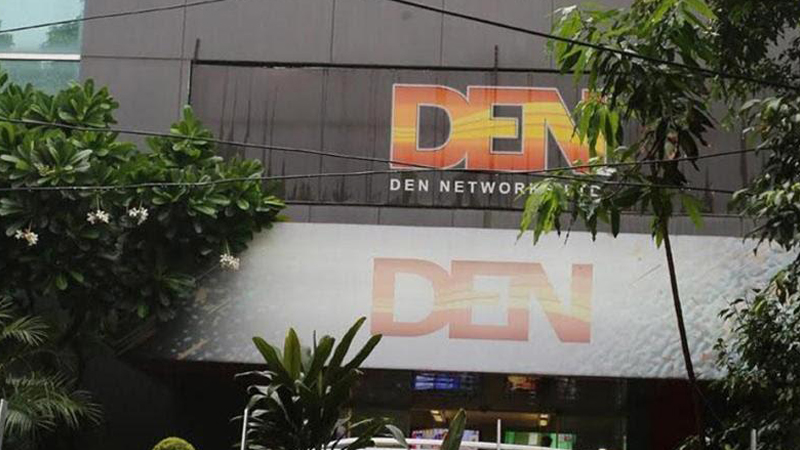
MUMBAI: When margins wobble, liquidity talks and in Q3 FY25-26, cash did most of the talking. Den Networks Limited closed the December quarter with consolidated revenue of Rs.251 crore, marginally higher than the previous quarter but down 4 per cent year-on-year, even as profitability stayed resilient on the back of strong cash reserves and disciplined cost control.
Subscription income softened to Rs.98 crore, slipping 3 per cent sequentially and 14 per cent from last year, while placement and marketing income offered some cheer, rising 15 per cent quarter-on-quarter to Rs.148 crore. Total costs climbed faster than revenue, up 7 per cent QoQ to Rs.238 crore, driven largely by higher content costs and operating expenses. As a result, EBITDA dropped sharply to Rs.13 crore from Rs.19 crore in Q2 and Rs.28 crore a year ago, pulling margins down to 5 per cent.
Yet, the bottom line refused to blink. Profit after tax stood at Rs.40 crore, up 15 per cent sequentially and only marginally lower than last year’s Rs.42 crore. A healthy Rs.57 crore in other income helped cushion operating pressure, keeping profit before tax at Rs.48 crore, broadly stable quarter-on-quarter despite the tougher cost environment.
The real headline-grabber, however, sits on the balance sheet. The company remains debt-free, with cash and cash equivalents swelling to Rs.3,279 crore as of December 31, 2025. Net worth rose to Rs.3,748 crore, while online collections accounted for 97 per cent of total receipts, underscoring strong cash discipline across operations, including subsidiaries.
In short, while Q3 showed signs of operating strain, the financial backbone remains solid. With zero gross debt, steady profits and a formidable cash war chest, the company enters the next quarter with flexibility firmly on its side proving that in uncertain markets, balance sheet strength can be the best growth strategy.






