Fiction
The return of Tulsi: Why Kyunki Saas Bhi Kabhi Bahu Thi will still hook India 25 years later

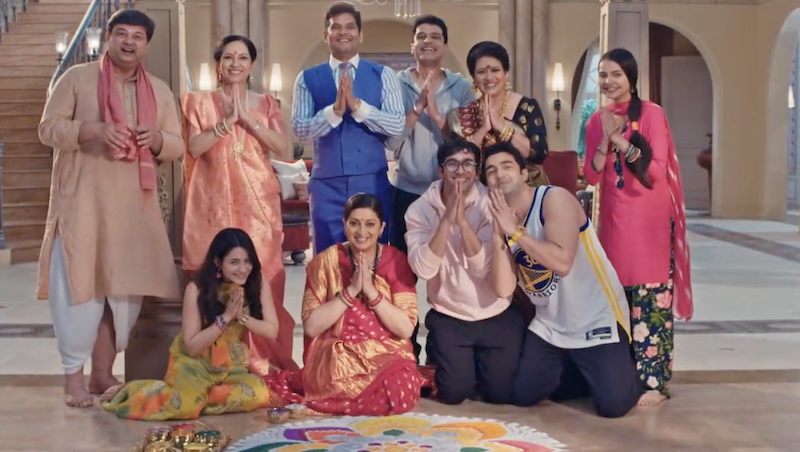
MUMBAI: It’s been 25 years since Tulsi Virani first walked into our living rooms, but the magic of Kyunki Saas Bhi Kabhi Bahu Thi hasn’t dimmed a bit. Ekta Kapoor and Balaji Telefilms’ magnum opus remains as endearing today as it was when it first aired — a reminder of the power of family ties in an increasingly fragmented modern India.
A Family Portrait in an Age of Isolation
For those of us who grew up in bustling joint families, watching the Viranis feels like coming home. Their laughter, their rituals, even their quarrels — all echo a world that’s slowly slipping away. Today, nuclear households dominate India’s urban landscape. Parents are often left in old-age homes, siblings are scattered across cities and time zones, and “quality time” has been replaced with curated Instagram reels. Yet, as the Viranis gather under the palatial roof of Shantiniketan, the series offers a bittersweet reminder of what we’ve lost — and why we still yearn for it.

Old Tropes, New Resonance
Yes, the show is steeped in traditional tropes: Mihir as the patriarch, Tulsi shouldering the emotional and domestic burdens. But there’s nuance beneath the surface. Mihir is not a dictator but a partner — one who values Tulsi’s opinions, especially on their daughter Pari’s life choices. Their partnership reflects a subtle but important evolution in how couple dynamics are portrayed: mutual respect in a traditional framework.
A Gripping Opening
The revival wastes no time. From the very first episode, where preparations are underway for the Virani elders’ 38th wedding anniversary, viewers are swept back into the grand world of Shantiniketan. The writing is crisp, the camerawork fluid, the lighting lush, and the casting absolutely on point. Balaji’s signature flair for scale and detail is intact.
The Sacrifices of Tulsi
In the first two episodes, Tulsi remains the selfless heart of the household. She attends her anniversary party without a care for glamour, even giving away her saree to a relative. Midway through the celebration, she dashes to rescue her son Angad after a car accident, promising him she won’t tell Mihir. She returns to the festivities as though nothing happened, her own emotional turmoil buried under duty. These sacrifices define Tulsi — the glue of the Virani family.
Cracks Beneath the Perfect Surface
Of course, no Virani gathering is without its shadows. A jealous sister-in-law simmers in resentment, praying for Tulsi’s downfall. And in the third episode, a sensitive issue surfaces: Tulsi, older and heavier, worries about her fading youth next to Mihir’s enduring vitality. His tender reassurance — that she is the pillar on which Shantiniketan stands — transforms the moment into one of the show’s most moving exchanges.
A Timeless Winner
With just three episodes, it’s clear that Star Plus, Ekta Kapoor, and Balaji Telefilms have another winner on their hands. More than a television drama, Kyunki Saas Bhi Kabhi Bahu Thi is a cultural touchstone — a reminder that while lifestyles may change, our hunger for love, loyalty, and family never will.
As the Viranis sit down together under the glowing chandeliers of Shantiniketan, one thing is certain: some sagas don’t just entertain us — they become part of who we are.







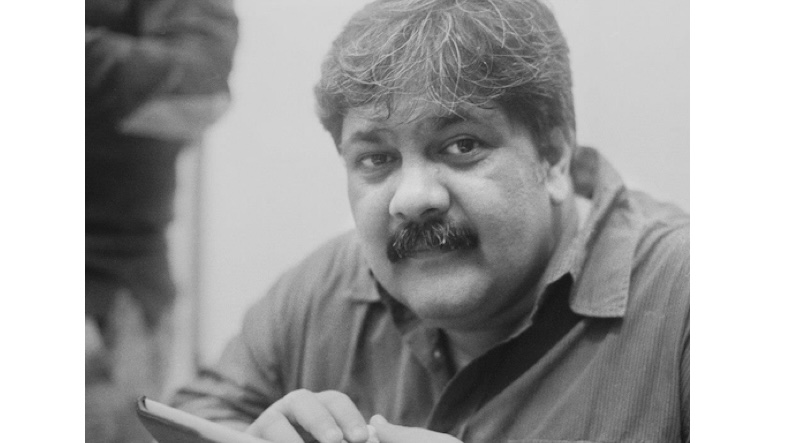
MUMBAI: On Christmas morning, whilst most of Mumbai slept off festive cheer, Satyam Tripathi’s heart gave out. 25 December proved cruelly ironic for a man who’d spent his career crafting drama—this time, there would be no second take. He was only 57.
Tripathi was a scriptwriter’s scriptwriter. Within India’s chaotic television industry, where writers are treated rather like spare parts, he’d carved out something rare: respect. For years, he sat on the executive committee of the Screen Writers Association, helping transform along with other leaders, what was once a talking shop into an organisation with teeth. When writers’ rights were little more than punchlines, Tripathi helped pen a different ending.
His credits read like a greatest hits of Indian telly: Hitler Didi, 12/24 Karol Bagh, Ek Mutthi Aasman, Parvarrish Kuchh Khattee Kuchh Meethi. Millions laughed, cried and switched channels to his work. He also championed the association’s Screen Writing Awards, ensuring that good writing didn’t go unnoticed in an industry obsessed with ratings and revenue.
Those who knew him speak of an affable soul, generous with time and advice. In a cut-throat business, Tripathi was that rarest of creatures: genuinely helpful.
His remains were cremated the same evening in the presence of industry associates and friends. The credits rolled quickly. But his final script—a better deal for India’s writers—continues to play out. That’s the sort of ending he’d have appreciated.
(Scriptwriters, producers and friends will be getting together to honour Satyam Kumud Tripathi’s memory and to hold a prayer meeting on 29 December. The location: Shri Guru Singh Sabha Gurudwara, 4 Bungalows, Andheri West, Mumbai. The time: between 3:30 PM and 5:00 PM.)