News Broadcasting
The History Channel looks to build a local connect for ‘Ultimate Cars’


MUMBAI: The History Channel (THC) is looking at different ways in which to build a closer brand connect with viewers.
Last month it had announced a slew of initiatives which includes airing a set of interstitials called Timepieces. Now it has done a unique stunt for its show Ultimate Cars.
The show which airs every Wednesday at 10 pm looks at cars including Ferrari, Alfa Romeo, Porsche 91, Corvette. It looks at what makes them special, the history as well as their novelty value. The channel has now tied up with car designer Dilip Chhabria.

Speaking to indiantelevision.com on this THC VP marketing Rajesh Sheshadari says, “Dilip Chhabria is an expert on the subject of cars. We therefore chose him as our endorser of the show. On air we have cut promos which air during the course of each episode. He gives his views on a particular car being featured.
“Online we have created a microsite at www.historychannelindia.com/dc.html. Visitors can read his views on the cars. They can also offer their feedback. There is a car of the week feature as well as an episode guide. For the next season next year we are looking to take the relationship to the next level by possibly organising an on-ground event with a motoring association.” The channel has roped in Pepsi, Visa, Nokia, ICICI Prudential, Club HP and Kinetic Blaze as sponsors.
As had been reported earlier by Indiantelevision.com THC has kicked off an online initiative is a campaign called Save Your History. This is a community sharing site that will allow Indians to share and collaborate on important historical happenings in their lives, which could be in the form of photos, precious documents and artifacts.
Right now a trial version of the site is up. The final version will be launched at the end of next month. The channel is also in the process of roping in well known personalities like industrialists to endorse the initiative. Promos featuring them will be cut and will go on air towards the latter half of next month.






News Broadcasting
Kamlesh Singh receives Haldi Ghati Award from MMCF
India Today Group editor honoured for three decades of journalism at Udaipur ceremony.
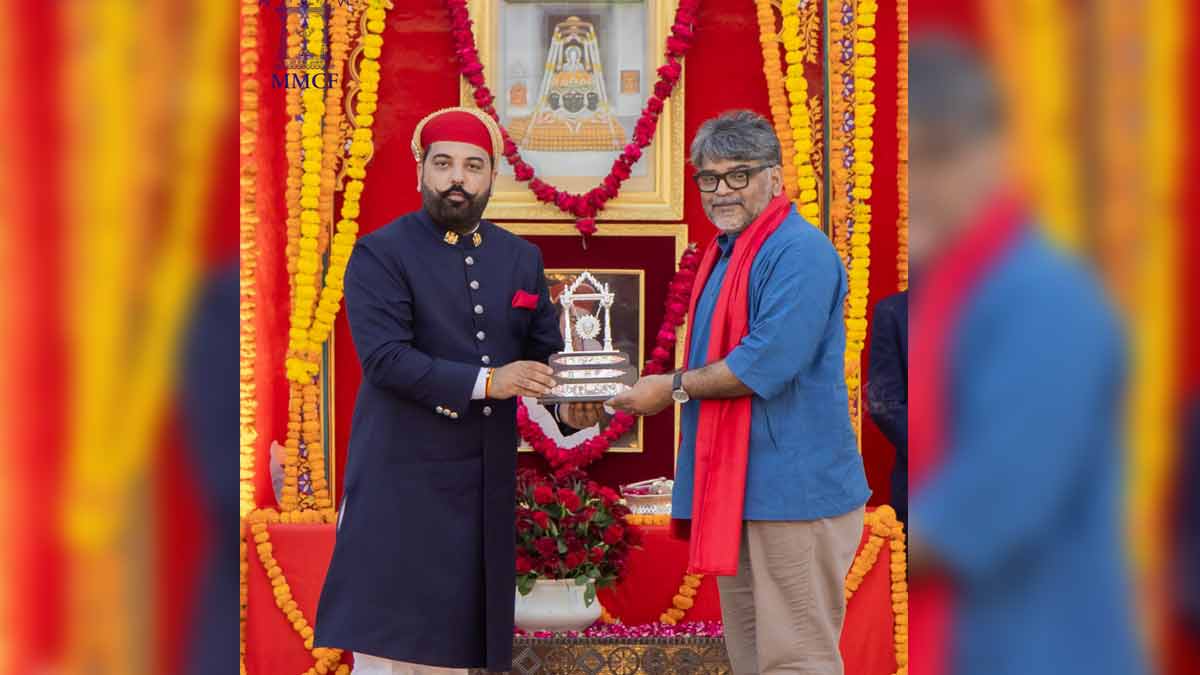
MUMBAI- Kamlesh Singh just turned a lifetime of sharp words into a shiny shield because when journalism wakes up a society, even the Maharana of Mewar wants to pin a medal on it.
The Maharana of Mewar Charitable Foundation (MMCF) conferred its prestigious Haldi Ghati Award on Kamlesh Singh, a senior editor at the India Today Group, during a ceremony in Udaipur on 15 March 2026. The national award, instituted in 1981-82, recognises “work of permanent value that initiates an awakening in society through the medium of journalism.”
Singh, who leads several editorial initiatives including Aaj Tak Radio, the Teen Taal community and The Lallantop, was presented the honour by Lakshyaraj Singh Mewar, Managing Trustee of MMCF. The citation highlighted his three decades of contributions to Indian media, innovations in digital journalism, mentoring young reporters, and his popular podcast persona “Tau” on Teen Taal, which fosters thoughtful public discourse.
The Haldi Ghati Award, named after the historic Battle of Haldighati symbolising valour and resilience, is one of four national awards given annually by MMCF. Past recipients include Tavleen Singh, Piyush Pandey and Raj Chengappa.
Other honourees this year included Padma Vibhushan Pt Hari Prasad Chaurasia, Vedamurti Devvrat Rekhe, Treeman of India Marimuthu Yoganathan, Vir Chakra Capt Rizwan Malik, and US-based researcher Molly Emma Aitken, who received the Colonel James Tod Award for contributions to understanding Mewar’s spirit and values.
In an era where headlines often shout louder than substance, the MMCF quietly reminded everyone that real journalism isn’t about noise, it’s about the quiet, persistent work that stirs society awake, one thoughtful story at a time.







