iWorld
The Evolution of Celebrity PR: How Social Media Changed the Game

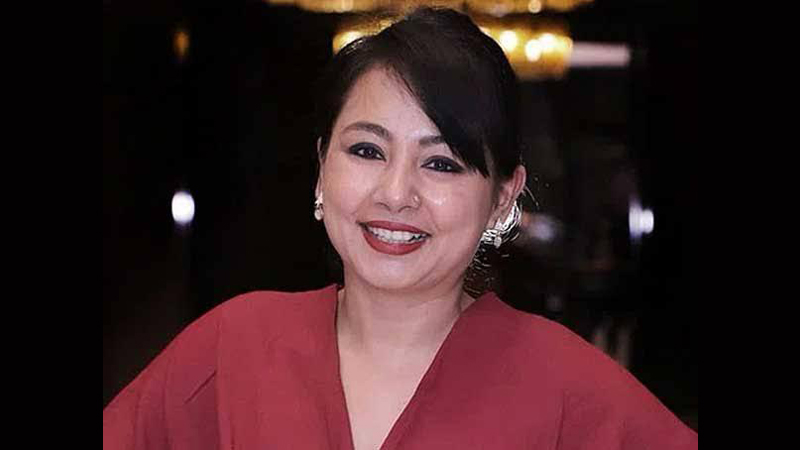
Mumbai: In January 2024, we experienced the introduction of Apis Honey, with its launch being endorsed by Sanya Malhotra. Beyond her acting prowess, Sanya is renowned for her dedication to fitness and a mindful lifestyle. Her association with the launch extended beyond mere celebrity endorsement, as her commitment to health aligned seamlessly with the product’s ethos and this association was appreciated by the audiences. Contrastingly, Poonam Pandey generated significant backlash from audiences, particularly on social media, when she falsely claimed her death on her social platforms in February 2024. Merely two days later, she retracted the announcement, attributing it to an attempt to raise awareness about cervical cancer. The controversial episode stirred a wave of negativity, with social media serving as a prominent platform for expressing disapproval.
Over the years we have seen that celebrity endorsement serve as a powerful catalyst in shaping a brand’s identity and fostering consumer connections. Celebrities, as cultural icons, bring a unique aura and relatability, instantly elevating a brand’s visibility and appeal. Their endorsement not only sparks initial attention but also embeds the product in the consumer’s psyche.
The world of celebrity public relations has undergone a seismic shift in the digital age, driven by the rise of social media. Gone are the days of meticulously crafted press releases and controlled media narratives. Today, stars and their teams must navigate a dynamic, two-way street of constant engagement with fans and the ever-watchful eye of the internet.

Traditionally, media outlets served as gatekeepers, controlling the information disseminated about celebrities. Interviews, magazine covers, and carefully managed appearances shaped public perception. Social media bypasses these gatekeepers, empowering celebrities to connect directly with audiences. A Sprout Social report revealed that 89 per cent of consumers follow brands on social media, highlighting the potential for direct engagement. Celebrities like Dwayne “The Rock” Johnson, with his 344 million Instagram followers, actively cultivate relationships with fans, fostering loyalty and creating a powerful voice beyond traditional media.
The carefully constructed personas of yesteryear are giving way to a demand for authenticity. Platforms like Instagram Stories and live streams offer unfiltered glimpses into celebrities’ lives, humanizing them and building trust. 72 per cent of consumers expect brands to be authentic on social media, according to Edelman’s 2023 Trust Barometer, a sentiment that extends to celebrities. Stars like Priyanka Chopra, known for her no-nonsense conversations has been promoting her hair care brand on her social pages and garnered sizeable traction and appreciation.
Interesting aspect of social media is that the social media’s immediacy can turn a minor misstep into a full-blown public relations crisis. Celebrities face the constant risk of being captured in compromising situations or making off-hand remarks that quickly snowball online. Take for instance Akshay Kumar’s endorsement of a pan masala brand in 2023 sparked controversary as he had made open statements during earlier years of never endorsing such products and leading a health conscious life.
Further, in many cases social media has made it easier to spread misinformation, underscoring the need for swift and effective crisis management.
Social media empowers celebrities to champion causes they care about, using their platforms to raise awareness and mobilize action. Studies show that 76 per cent of consumers are more likely to trust a brand that supports a cause they care about. Celebrities like Emma Watson, a vocal advocate for gender equality, and Leonardo DiCaprio, known for his environmental activism, leverage their reach to drive positive change.
Marketers are constantly gathering viable information via social media pages to extract data insights into audience engagement and sentiment and how such endorsements are impacting the brand. PR teams can track follower growth, analyze post performance, and gauge brand sentiment, allowing for data-driven decision-making. Tools like Sprout Social and Hootsuite help measure the impact of campaigns and optimize strategies. This focus on quantifiable results is crucial for demonstrating the return on investment (ROI) of social media efforts.
And how can be ignore the tsunami influencers which have flooded the social media landscape. Micro-influencers, individuals with smaller but highly engaged followings, have emerged as powerful marketing tools. 89 per cent of marketers plan to leverage micro-influencers in 2024 (Influencer Marketing Hub, 2023), and celebrities are increasingly partnering with them to reach specific audiences. Additionally, the role of community management has become critical, with dedicated teams responsible for fostering positive online interactions and mitigating negativity.
We live in a world of quick consumption and despite its transformative power, social media presents unique challenges for celebrities and their PR teams. The constant pressure to maintain engagement, the threat of online harassment, and the ever-evolving nature of platforms demand adaptability and resilience and most importantly to be relevant in the eyes of the audiences they want to attract.
The author of this article is Newton Consulting India COO Smita Khanna Kithania.





iWorld
Samay Raina returns with Still Alive, confronts 2025 controversy in bold comeback special
Comeback set tackles controversy, blending humour with raw storytelling
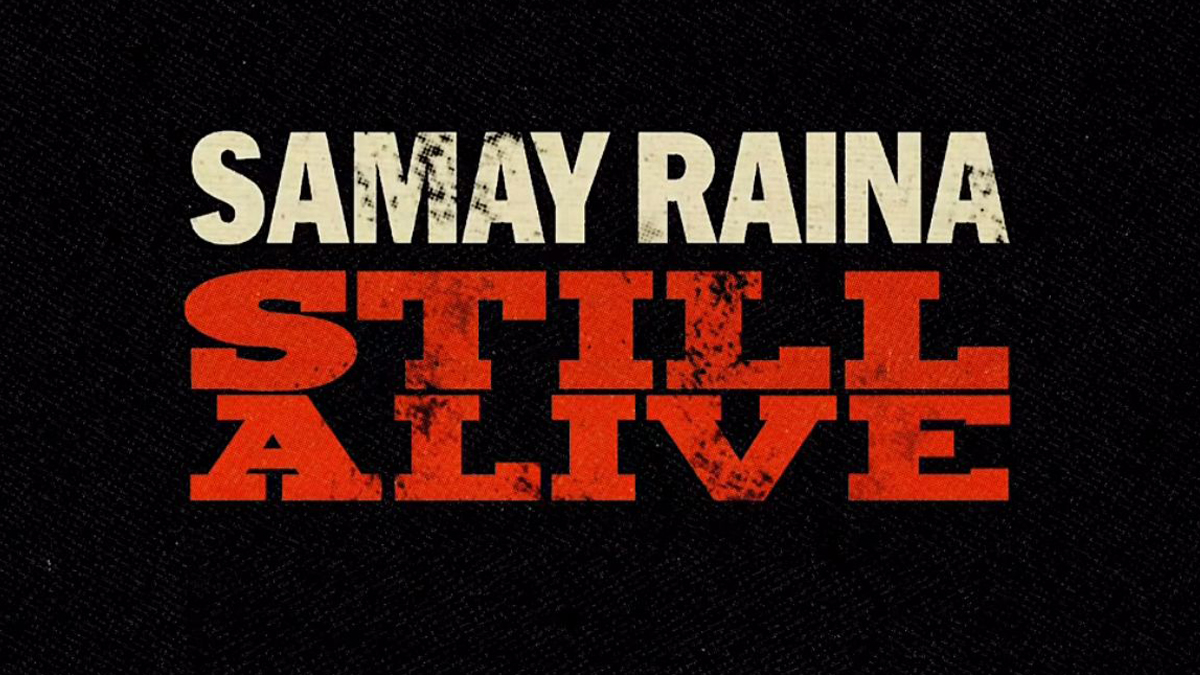
MUMBAI: Samay Raina is set to release his new stand-up comedy special, Still Alive, on YouTube on April 7, 2026, marking a high-profile return following a turbulent year.
The trailer for the special dropped on April 5, offering a glimpse into what Raina describes as a raw and unfiltered set that leans as much on honesty as it does on humour.
Positioned as a comeback of sorts, Still Alive draws heavily from the controversy surrounding his show India’s Got Latent in early 2025. The episode led to legal trouble, multiple FIRs, and a lengthy six-hour interrogation by the Maharashtra Cyber Cell, placing the comedian at the centre of intense public scrutiny.
Rather than sidestep the episode, Raina leans into it. The special reflects on the fallout and his personal journey through it, blending observational comedy with moments of emotional candour. Early audience feedback from live performances suggests the tone is less about rapid-fire punchlines and more about storytelling with bite.
The special was filmed during his global Still Alive & Unfiltered tour, which ran from August 2025 to early 2026. The tour saw Raina perform across major international venues, including the Madison Square Garden Theatre in New York, a milestone that places him among the youngest Indian comedians to take that stage.
The title itself signals resilience. “Still Alive” is a nod to navigating both legal and public backlash while choosing to remain unapologetically authentic, a theme that appears to anchor the set.
With the special set to premiere online, all eyes are now on how audiences respond to a performance that promises equal parts reflection and wit. For Raina, the message is clear. He is not just back, he is ready to be heard on his own terms.






