iWorld
The dramatic rise of K-dramas

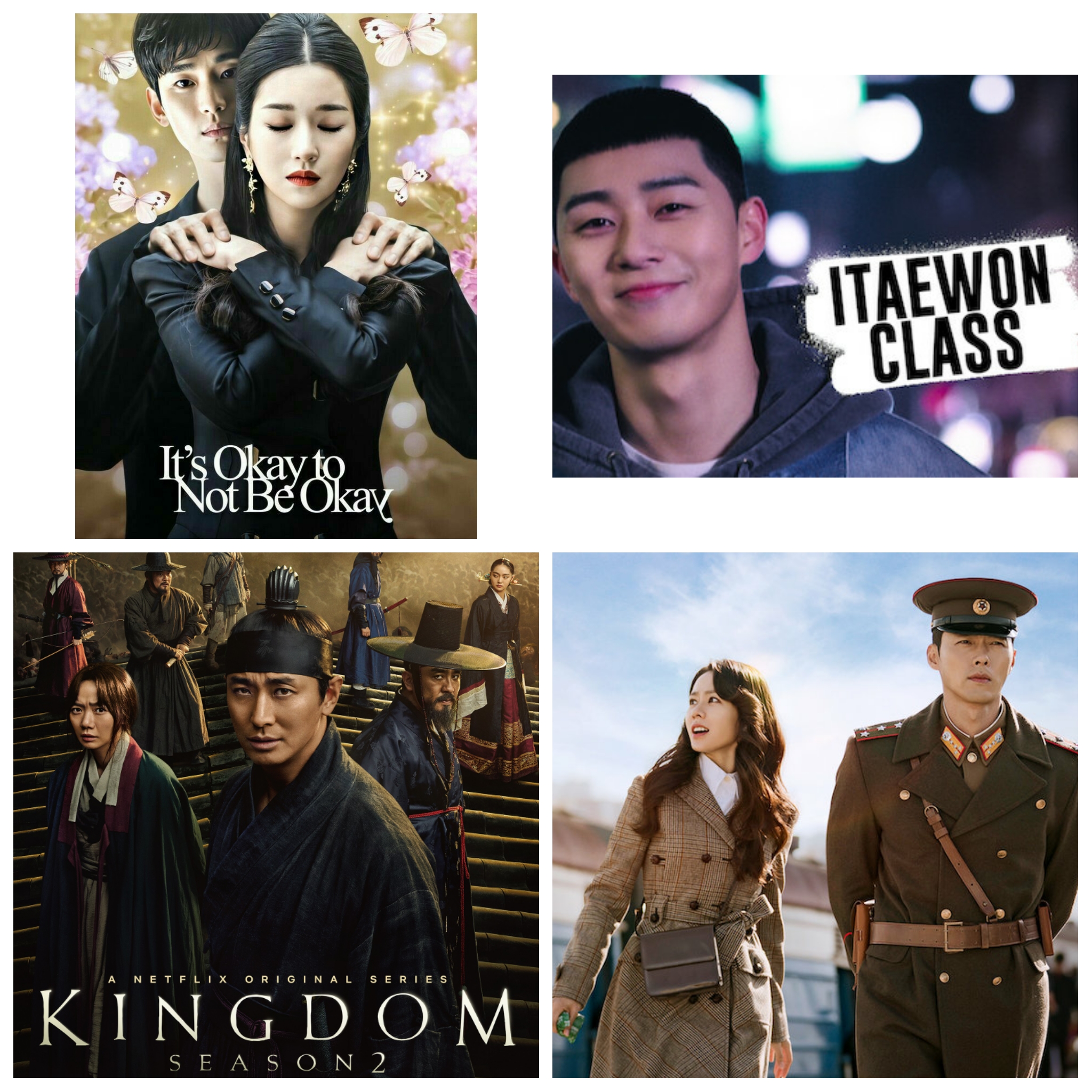
MUMBAI: Since March 2020, at least six Korean drama titles have featured on Netflix India’s Top 10 Trending list. According to a recent Netflix report, the viewing for K-dramas on Netflix in India "increased more than 370 per cent in 2020 over 2019.” So, for those of us unversed with the hype around K-dramas or even speculating whether “K-drama” is a namesake for yet another saas-bahu soap opera from Ekta Kapoor’s drama factory, maybe it’s time to dive into a bowl of ramen noodles and settle back to watch one.
With no fresh content on television for some months, thanks to the lockdown, and with a whole lot of extra time on their hands, many viewers traded the TV screen for their cell phone or tablet screens, looking for some relief from the barrage of Covid-related news. This upsurge in usage of on-demand OTT platforms during the pandemic led to an increased demand for variety content, language barrier notwithstanding. K-dramas with their feel-good storylines and safe-for-family-viewing content made for the perfect lockdown recipe when most of us were locked in with our extended families. Riding on this wave, K-dramas have had their biggest breakthrough moment in India during the ongoing pandemic, as more people found the time and inclination to explore different kinds of content.
While K-pop, as well as Korean dramas, have been a prominent part of pop culture among India’s GenZ and millennials for the last few years, it's only in the last one year that it's gone truly mainstream. Along with other cultural exports from the country like K-beauty (skincare products) and Korean food, they form a part of the Korean cultural wave, called ‘Hallyu’. So what is it that makes these dramas so binge-worthy and addictive?

Well, for starters, there is the detailing in the scriptwriting, with a focus on strong storylines having positive undertones. Although some of them can have pretty predictable outcomes, it is the conversational dialogues and natural treatment that makes all the difference. The characters are relatable, not larger-than-life with vulnerabilities one can empathise with. There is usually an underdog character one cannot help rooting for. Also, don’t get deceived by the damsel-in-distress looks of the lead women characters in the show, they may look frail but most of them are independent, fiery women who hold their own and do not hesitate to speak their mind or stand their ground when confronted. This understated emphasis on female empowerment goes a long way in making these soaps popular with their women audiences, while also making a statement for gender-equality in a positive, non-dramatic manner.
And of course, not to mention the swoon-worthy, porcelain-complexioned, picture-perfect looking actors clad in the trendiest outfits. Many of the actors from popular Korean fictional shows, including Crash Landing on You, It’s Okay to Not be Okay, Kingdom, Itaewon Class, Guardian: The Lonely and Great God etc like Son Ye-jin, Hyun Bin, Kim Soo-hyun, Seo Ye-ji, Jung Hae In, Park Joo-hyun to name a few, have become household names amongst Indian fans who swear by their Korean screen idols. The immersive plots range from adorable rom-coms to edge-of-the-seat suspense, from heart-warming, soul-satiating family dramas to intense psychological thrillers, covering a whole gamut of profound experiences- one that caters to every taste. The dramas also give us a peek into Korean culture, food and lifestyle. For instance, Crash landing On You, which deals with cross-border romance between a South Korean business tycoon and a North Korean soldier offered a heartwarming insight into the hitherto forbidden land of North Korea and the people living there.
Since Netflix first started showing Korean dramas in 2016, it has brought them to an international audience. Other OTT platforms too have caught on to this trend and many more like Disney+, HBO Max, and Apple+ are all expected to join the K-drama bandwagon. One only needs to glance at the number of Hindi dubbed versions of K-dramas on an Indian homegrown platform like MX Player to understand the size and scope of Korean content in India and its growing popularity. Hit Korean releases from 2016 like Melting Me Softly to What in the World Happened?, 1% of Something and many more have been dubbed in Hindi to cater to the increasing audience demand for Korean fare.
‘Hallyu’ or the Korean Wave is the term used to describe the spread of Korean entertainment and culture in other parts of the world. Die-hard fans of K-series pursue a range of experience, consuming Korean food like kimchi, fashion and music, even learning Korean to better understand their favourite shows; some even going to the extent of travelling to Korea for first-hand experiences of the culture and place.
The Oscar-winning 2019 Korean movie Parasite can also be credited for this new-found interest in Korean fare. It was the first film not in English to take home the top prize in the academy’s 92-year history. The film’s director Bong Joon-ho while accepting his Best Picture Oscar, spoke about “overcoming the one-inch-tall barrier of subtitles” in order to be introduced to more amazing content. It holds true now more than ever before, going by the resounding worldwide endorsement and success of Korean dramas. Indians sure have broken down the “one-inch barrier” and embraced K-dramas for times to come.


iWorld
Shemaroo buys OHO Gujarati’s entire content library for ShemarooMe
The deal lands over 30 original web series and 450-plus actors on ShemarooMe, with Pratik Gandhi’s Vitthal Teedi leading the charge
MUMBAI: Shemaroo Entertainment has moved fast and moved big. The company has snapped up the entire content library of OHO Gujarati for its streaming platform ShemarooMe, a consolidation that has no precedent in the Gujarati OTT market.
The haul is considerable. More than 30 original Gujarati web series, featuring the work of upwards of 450 local actors, will now sit under ShemarooMe’s roof. For a platform that has spent years quietly building its Gujarati credentials, including originals, curated libraries, and culturally rooted narratives, this is the kind of bulk acquisition that changes the competitive arithmetic overnight.
Saurabh Srivastava, chief operating officer for digital business at Shemaroo Entertainment, made clear the company’s ambitions stretch well beyond the subcontinent. “As we bring the well-established catalogue of OHO Gujarati onto ShemarooMe, our focus remains on making high-quality Gujarati stories more accessible while continuing to invest in compelling content,” he said. “With our strong connection to Gujarati viewers across the world, we believe these stories from the OHO catalogue can travel far and create an exciting entertainment offering for viewers.”
The first title out of the traps will be Vitthal Teedi, which hits ShemarooMe on April 10th. The series stars Pratik Gandhi, a name that needs no introduction to Gujarati audiences, and has the distinction of being the only Gujarati web series he has appeared in to date. Set in the heartland of Saurashtra during the 1980s, it traces a small-time gambler torn between personal ideals and the brutal logic of his circumstances. Character-driven, culturally embedded, and backed by a soundtrack featuring folk artists Aditya Gadhvi, Jigardan Gadhavi, and Geeta Rabari, the show arrives with considerable pedigree.
For Shemaroo, the deal fits neatly into a digital growth playbook built on sustainable expansion and deeper regional engagement. The Gujarati diaspora is large, dispersed, and underserved by mainstream streaming giants. If the company can deliver the goods, the OHO library may prove to be the most valuable land-grab in regional OTT this year.






