Applications
Synamedia and the future art of television: Senza

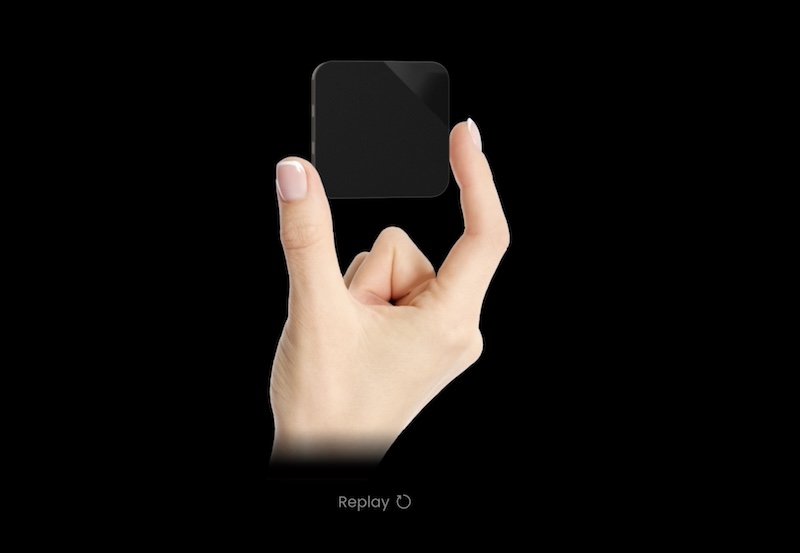
AMSTERDAM: It sure amazed many a TV cynic at Rai Amsterdam’s IBC last week, at a time when many a soothsayer is foretelling the death of traditional TV. Senza from solution provider Synamedia is being described as a “new approach to TV that transforms the economics of reaching viewers.” “
The company says it drastically lowers costs and eliminates the traditional technology barriers to bring more engaging viewing experiences to TV screens in the home as well as out-of-home in bars, hotels, stadiums, and more. With this cloud-based platform, Senza’s customers across all industries can avoid ecosystem taxes as well as achieve a reduction of up to 90 per cent in onboarding costs.
According to Synamedia, broadcasters and streamers have been constrained by the cost, effort and limitations of supporting the proliferation of user devices and massive fragmentation for decades now. Instead, Senza moves the entire user experience from devices – such as connected TVs and streaming sticks – into the cloud and offers an HTML5 interface to quickly launch free, low-cost or premium services. This results in a personalised, immersive user experience with advanced graphics and AI-generated synthetic video by “writing once and running everywhere,” a concept foreign to TV developers but commonplace for those developing for the internet.

With more than 25 patents filed, Senza is being talked about as a revolution that will reshape today’s TV ecosystem by tapping into the common framework of the internet, removing the need to download apps or replace outdated in-home devices and eliminating traditional cost barriers, such as ad revenue shares, to reach mass audiences. Using a cloud connector of similar size to an earbuds case, Senza turns any TV screen into a high-performance, smarter TV and unleashes unlimited creative and business opportunities across entertainment, digital signage, hospitality, IoT and retail industries.
By building the managed platform around a cloud connector that uses low-cost silicon, Synamedia has achieved a base component cost device price of around $6 that goes even lower with volume, and an ability to free license the hardware design and device software to third party OEMs in 2025.
Synamedia has also implemented Google Widevine L1 security. Working closely with Google Cloud, Senza has achieved this breakthrough by not only uncoupling the rendering of the user experience from the device and moving it to the cloud, but also eliminating the sluggish and frustrating user experiences by using low latency video protocols that are optimized for graphics applications.
Further, Senza’s AI features will enable an explosion of creativity in advertising and synthetic media, and it will empower brands to reach consumers directly with a customized experience through the cloud connector.
Senza enables broadband providers and ISPs to differentiate their consumer offerings by adding a video service with minimal up-front investment.
One of the early adopters, SuperCloud International, a pioneer in streaming and television in the US, will use Senza to deliver its consumer in-home streaming service, UMaxx.TV which offers over 350 live TV channels via a military-grade, proprietary 5G network. UMaxx opted to add Senza to its hardware offering because of its reliability and cost advantage.
Comments industry analyst Ben Keen: “For many years a debate has raged about whether the set-top box has a future. Now Synamedia has redrawn the terms of that debate by radically rethinking the role of the in-home device using a cloud-first design that promises to fundamentally change the economics of TV delivery. A strong culture of innovation has always been at the heart of Synamedia — along with its legacy predecessor entities — and it is great to see that tradition continue with the unveiling of Senza.”
Addes Synamedia CEO Paul Segre: “Senza flips the accepted economics of TV on its head with its Internet-based framework. It eliminates the need for specialist developers supporting a technologically limited and fragmented ecosystem and enables us to think of a TV screen as an Internet greenfield. As CEOs look to build new paths to revenue, this is their dream come true.”
Developer, reseller and partner programs will extend Synamedia’s reach and applications.
For Indian cable TV, satellite operators and ISPs, Senza can definitely make sense because of the low price entry point. All that is needed is many more apps and services adopt it.

Applications
With 57 per cent single new users, Ashley Madison rebrands as discreet dating platform
Platform says majority of new members now identify as single
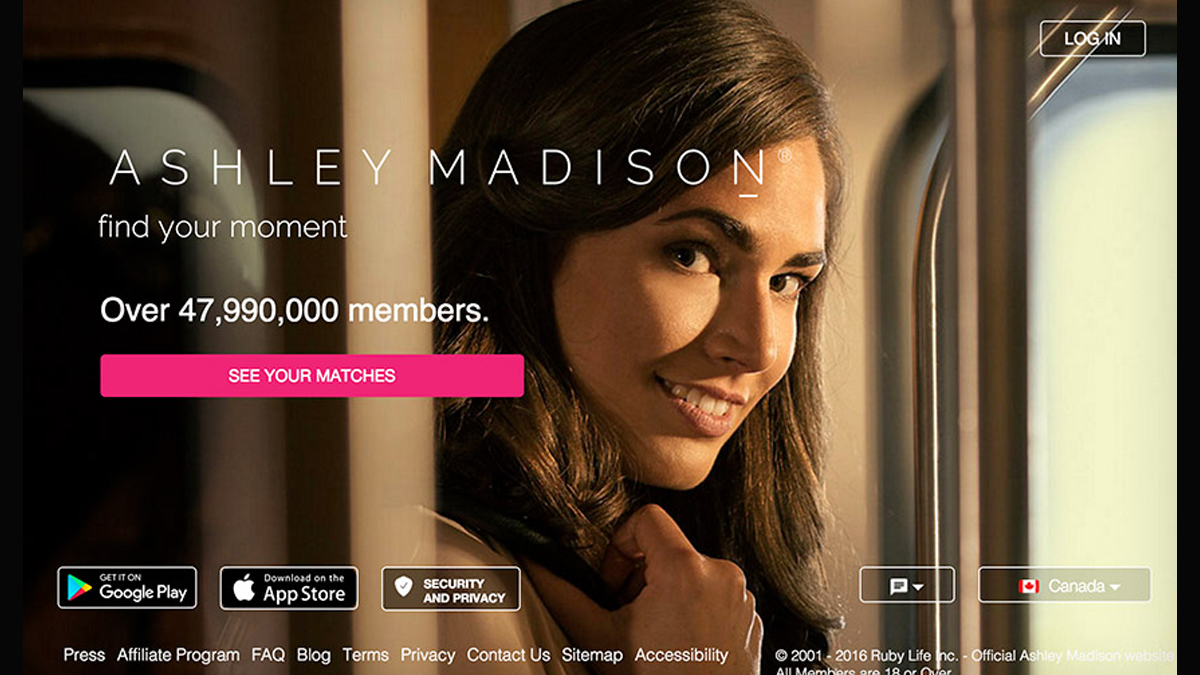
INDIA: Ashley Madison is shedding the “married-dating” label that defined it for two decades, repositioning itself as a platform for discreet dating in what it calls the post-social media age.
The rebrand, unveiled in India on 27 February, 2026, marks a structural shift in business model and identity. Once synonymous with married dating, the company now describes itself as the “premier destination for discreet dating” under a new tagline: Where Desire Meets Discretion.
The pivot is data-driven. Internal figures show that 57 per cent of global sign-ups between 1 January and 31 December, 2025 identified as single: a notable departure from the platform’s married core. The company argues that its community has already evolved beyond its original positioning.
“In an age where our lives have been constantly put on public display, privacy has become the new luxury,” said Ashley Madison chief strategy officer Paul Keable. He framed the platform’s offering as “ethical discretion” for singles, separated, divorced and non-monogamous users seeking private connections.
The shift also taps into wider digital fatigue. A global survey conducted by YouGov for Ashley Madison, covering 13,071 adults across Australia, Brazil, Canada, Germany, India, Italy, Mexico, Spain, Switzerland, the UK and the US, found mounting discomfort with hyper-public online lives.
Among dating app users, 30 per cent cited constant swiping and messaging as a source of fatigue, while 24 per cent pointed to pressure to curate public-facing profiles and early personal disclosure. Some 27 per cent said fears of screenshots or information being shared contributed to exhaustion; an equal share cited unwanted attention.
The retreat from oversharing appears broader. According to the survey, 46 per cent of adults actively try to keep most aspects of their life private online. Only 8 per cent feel comfortable sharing most aspects publicly, while 35 per cent say they are becoming more selective about what they disclose.
Ashley Madison is betting that this cultural recalibration towards controlled visibility can be monetised. By doubling down on privacy infrastructure and reframing itself around discretion rather than infidelity, the company is attempting to convert reputational baggage into a premium proposition.







