Applications
Subhash Chandra ropes in retail and life style veteran Wadhwa to head Siti Cable

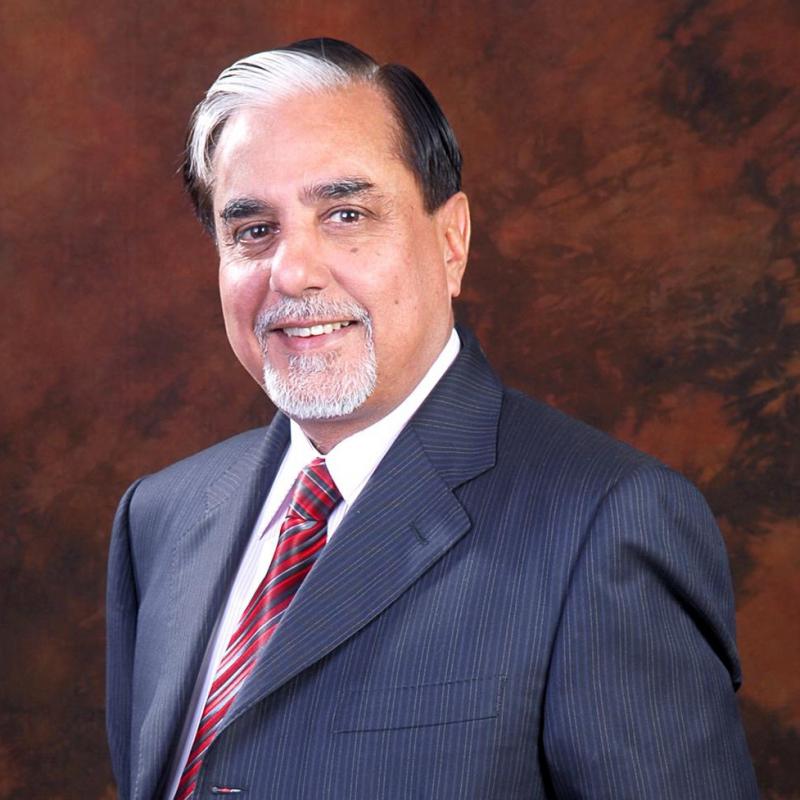
Mumbai: There’s tremendous promise and potential in Indian cable TV. No one knows this better than Essel group and Zee TV
 chairman Subhash Chandra who floated cable TV firm Siti Cable more than 19 years ago – in the early stages of cable and satellite TV in India.
And with the Indian cable TV sector now undergoing digitisation under a government mandate, he clearly believes he can take India’s leading MSO to greater heights.
Today Chandra announced the appointment of V D Wadhwa as CEO of Siti Cable Network. The cable TV network has close to 10 million subscribers nationally. Reaching out to over 10 million viewers.
As Siti Cable CEO , Wadhwa will be based out of Noida and will be responsible for taking forward the organisational aspirations of growing the business of Siti Cable multifold through digitisation.

His last assignment was with Timex Group India where he was managing director & CEO for business operations in India and Saarc countries. Wadhwa brings with him over 28 years of general management experience in consumer life style and retail industry and largely credited with the profitable turnaround of Timex operations in India and establishing its retail operations in India and south Asian countries.
Wadhwa is an alumnus of Harvard Business School and a fellow member of the Institute of Company Secretaries of India. He has served on various Ficci and Assocham committees besides serving as president of the Horological Federation of India.
Says Chandra: “We are delighted to have Wadhwa at the helm of Siti Cable. With his strong business acumen and strategic inputs, we expect the company to touch new highs with the aggressive growth plan in the digital regime. I am confident that Wadhwa’s association with the group will add immense value to the Company and all its stake holders.”







Applications
With 57 per cent single new users, Ashley Madison rebrands as discreet dating platform
Platform says majority of new members now identify as single

INDIA: Ashley Madison is shedding the “married-dating” label that defined it for two decades, repositioning itself as a platform for discreet dating in what it calls the post-social media age.
The rebrand, unveiled in India on 27 February, 2026, marks a structural shift in business model and identity. Once synonymous with married dating, the company now describes itself as the “premier destination for discreet dating” under a new tagline: Where Desire Meets Discretion.
The pivot is data-driven. Internal figures show that 57 per cent of global sign-ups between 1 January and 31 December, 2025 identified as single: a notable departure from the platform’s married core. The company argues that its community has already evolved beyond its original positioning.
“In an age where our lives have been constantly put on public display, privacy has become the new luxury,” said Ashley Madison chief strategy officer Paul Keable. He framed the platform’s offering as “ethical discretion” for singles, separated, divorced and non-monogamous users seeking private connections.
The shift also taps into wider digital fatigue. A global survey conducted by YouGov for Ashley Madison, covering 13,071 adults across Australia, Brazil, Canada, Germany, India, Italy, Mexico, Spain, Switzerland, the UK and the US, found mounting discomfort with hyper-public online lives.
Among dating app users, 30 per cent cited constant swiping and messaging as a source of fatigue, while 24 per cent pointed to pressure to curate public-facing profiles and early personal disclosure. Some 27 per cent said fears of screenshots or information being shared contributed to exhaustion; an equal share cited unwanted attention.
The retreat from oversharing appears broader. According to the survey, 46 per cent of adults actively try to keep most aspects of their life private online. Only 8 per cent feel comfortable sharing most aspects publicly, while 35 per cent say they are becoming more selective about what they disclose.
Ashley Madison is betting that this cultural recalibration towards controlled visibility can be monetised. By doubling down on privacy infrastructure and reframing itself around discretion rather than infidelity, the company is attempting to convert reputational baggage into a premium proposition.