iWorld
Studio 100 Media closes deal with SPI International for digital rights to air 2D animation classics

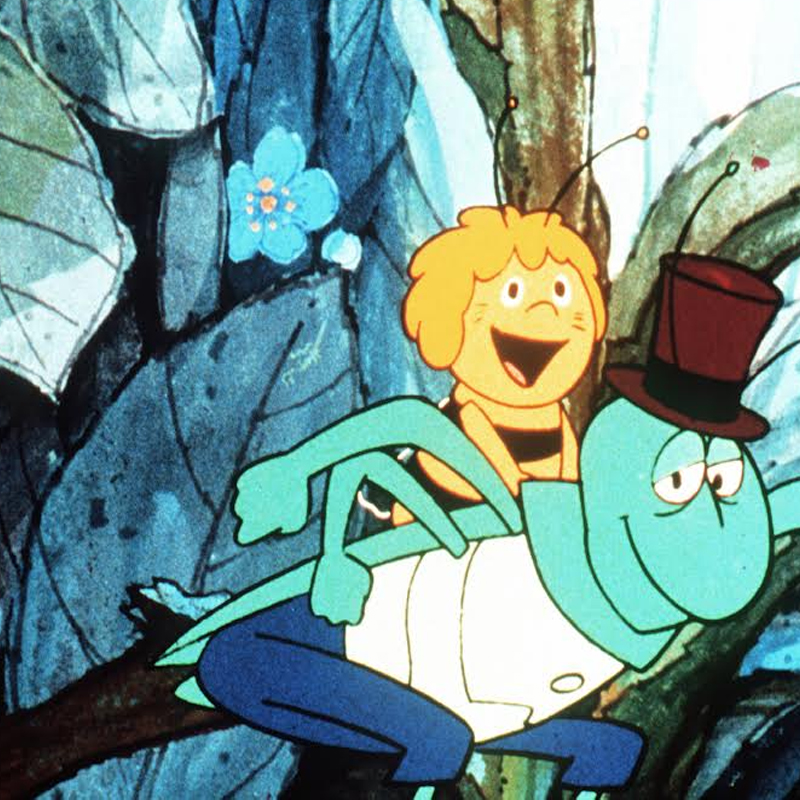
Mumbai, 14 July 2022. The leading independent studio for kids and family entertainment, Studio 100 Media, has closed a multi-brand deal with global media company SPI International for digital exploitation of several 2D animation classic series from its extensive catalogue.
The contract will give SPI non-exclusive worldwide AVOD and SVOD rights (with the exception of a few territories per program) on SPI platforms such as FilmBox+, FilmBox on Demand, Film1, ToonzBox and ToonzStream.
The shows Maya the Bee, Heidi, Pinocchio and Alice in Wonderland will be available on-demand in various language versions, including English, French, German, Italian, Portuguese and Spanish.







iWorld
Netflix launches Playground app to bring games and interactive play for kids
Interactive games, fresh series and returning favourites aim to blend play and learning
MUMBAI: Netflix is doubling down on kids entertainment with a major expansion of its family-friendly slate, anchored by the launch of Netflix Playground, a new interactive app designed to blend play with storytelling.
Aimed at children aged eight and under, the app allows young viewers to engage with familiar characters from shows like Peppa Pig and Sesame Street through games and activities, all within a safe, ad-free environment. The app is already live in select markets and is set for a wider global rollout later this month.
The move signals Netflix’s push to turn passive viewing into a more immersive experience. Alongside the app, the platform has unveiled a mix of new titles and returning favourites, including fresh episodes of Trash Truck and The Creature Cases, as well as a new preschool series, Young MacDonald. Popular titles such as CoComelon Lane and Ms. Rachel are also set to expand with new seasons and episodes.
Speaking about the strategy, Netflix vice president of animation series and kids and family tv John Derderian said, “We’re building a world where kids can not only watch their favourite stories, they can step inside them and interact with their favourite characters. We’re creating a seamless destination for discovery, learning, and play.”
The expanded offering also leans heavily on convenience for parents, with offline access, curated content, and robust parental controls designed to ensure a safe and tailored viewing experience. Features such as profile locks, content filters, and activity tracking aim to give families greater control while allowing children to explore independently.
The timing is strategic. Kids and preschool content has emerged as one of Netflix’s most-watched categories in recent years, making it a key battleground in the streaming wars. By combining games, education, and entertainment, the platform is looking to deepen engagement and build long-term loyalty among younger audiences.
With interactive play now joining its content arsenal, Netflix is not just streaming stories but inviting kids to step inside them, turning screen time into something a little more hands-on.






