iWorld
Streambox Media unveils Dor India’s first subscription-based TV service

MUMBAI: Gone are the days of debating over iOS and Android or boasting about who owned the fastest gadget. The era of squabbles about which TV brand—LG, Xiaomi, or Samsung—rules the market is fading into nostalgia. Buying a television back then felt like assembling a puzzle: first, the TV itself, then a dish connection for channels, followed by an OTT device to smarten it up. And even then, you were stuck playing detective—Googling endlessly to figure out which platform hosted your favorite show, live match, or breaking news.
But now, the tide has turned. The clutter and confusion of old-school television are making way for an extraordinary transformation. As the sun sets on fragmented entertainment, a bold new dawn emerges in the Indian living room. Welcome Dor—the future of home entertainment that combines everything you need into one seamless subscription experience. It’s not just a TV; it’s a revolution. Or so claims the company behind it.
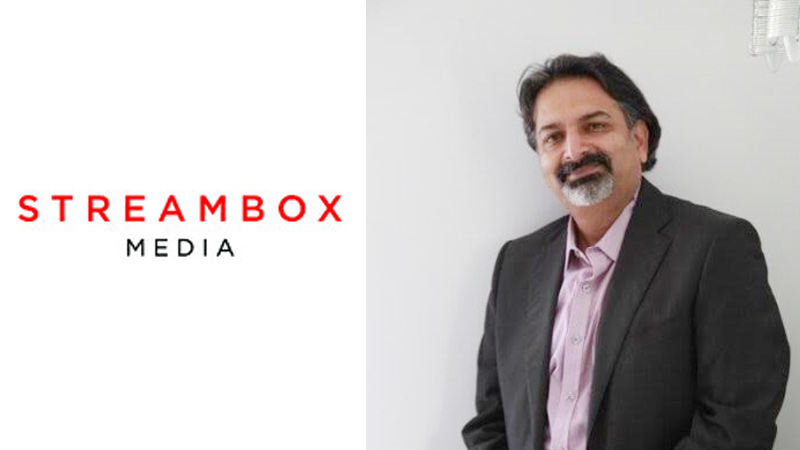
Streambox Media, a leading media-tech venture founded by cable TV industry and distribution vetera Anuj Gandhi and backed by Micromax Informatics, Zerodha’s Nikhil Kamath, and Stride Ventures, has launched Dor—India’s first subscription-based television service. Designed to revolutionise home entertainment as claimed by the company, Dor integrates a high-performance 4K QLED TV with over 24 premium OTT platforms, 300+ live channels, gaming, news, and more into a single, affordable subscription model.

Dor is set to debut in India via Flipkart on 1 December 2024, with plans for expansion to other platforms and offline distribution channels. This innovative TV-as-a-service model eliminates fragmented content navigation across devices, offering users a seamless, unified experience powered by India’s indigenously developed Dor TV OS.
Micromax Informatics co-founder, Rahul Sharma emphasised the shift in consumer preferences, “The home entertainment landscape is witnessing a tectonic shift with the rise of subscription and leasing models. Younger audiences prioritise flexibility and value over ownership. With Dor, we are introducing a market disruptor that addresses these evolving preferences while showcasing India’s capabilities in developing future-ready technology.”
Streambox Media, COO, Romil Ramgarhia added, “Dor democratises premium entertainment by making advanced technology accessible to Indian households. Our innovative approach significantly reduces costs by 50-60 per cent, consolidating the expense of smart TVs and content services.”
Indiantelevision.com Sreeyom Sil got into an exclusive conversation with Anuj Gandhi on the sidelines of a press conference in Mumbai to announce Dor and Streambox’s launch. He shed light on how Dor is setting new benchmarks for connected TVs in India. Excerpts from the interview:
* What differentiates Streambox’s Dor service from others in the market?
The key difference is simplicity: everything should be plug and play. Why should I worry about subscriptions, when my payments are due? It should be as convenient as possible in one single shop. And that’s what we have endeavored to do here.
Then, fragmented services and high upfront costs deter many households from adopting connected TVs. Dor’s subscription model integrates cutting-edge AI, content platforms, and hyper-personalised recommendations to deliver an unmatched value proposition with an immersive experience. With its integrated Dor OS, users can enjoy a seamless interface consolidating OTT platforms, live channels, and on-demand content.
Dor’s subscription model offers unparalleled flexibility and cost-efficiency. Consumers can own a 43-inch 4K QLED TV with Dolby Audio and solar-powered remote for an upfront activation fee of Rs 10,799, including the first month’s subscription. Post the initial month, the subscription costs Rs 799 per month for 12 months, after which customers can customise their packages.
The subscription includes access to platforms like Prime Video, Disney+ Hotstar, Jio Cinema, Sony Liv, and many more, with a single sign-on and AI-driven personalised recommendations simplifying the entertainment experience. Larger 55-inch and 65-inch TV variants are set to launch in early 2025, expanding options for Indian households.
With its integrated Dor OS, users can enjoy a seamless interface consolidating OTT platforms, live channels, and on-demand content. A four-year warranty and regular software upgrades every quarter are on offer with which Dor aims to make a real difference in how India consumes entertainment.
* What specific challenges in content discovery does Dor address, and how does it enhance the user experience compared to existing software?
Dor takes content discovery beyond the siloed limitations of individual apps. Our intuitive AI and large language models power a seamless search experience across multiple platforms. Dor personalises recommendations based on user preferences, ensuring a richer and more tailored viewing journey.

* How does Dor use advanced machine learning for personalised recommendations and ensure diversity in content?
Personalisation is at the core of Dor. We analyse individual preferences—language, genre, or favorite actors—and adapt recommendations in real-time. For example, if you select action movies but increasingly watch romantic films, our system dynamically adjusts your homepage to prioritise romantic content.
* How does Dor aggregate content from OTT platforms and live channels, and what partnerships have been instrumental?
We’ve secured partnerships with over 24 OTT platforms and various linear television providers, especially in the free-to-air (FTA) category. These long-term deals ensure a comprehensive content catalog, enabling us to deliver unmatched variety to users.
* With a growing emphasis on data privacy, how does Dor ensure user data is protected?
Data security is paramount. We comply with all data protection laws in India and employ robust security measures to prevent breaches. Sensitive user information, such as installation addresses and phone numbers, is safeguarded through strict privacy policies and best practices.
* How is Streamworks Media capitalising on India’s growing connected TV market, and what role does Dor play?
We aim to democratise connected TV with competitive pricing and an intuitive OS like Dor. By addressing the needs of a growing audience, we plan to secure a dominant market share in this burgeoning ecosystem.
* What inspired you to venture into the media-tech space, and where do you see Streambox Media and Dor in five years?
Simplicity and accessibility inspired me. Our goal is to make content discovery and consumption effortless. Within five years, we envision Dor holding a double-digit global market share, solidifying its place as a leader in the entertainment OS market.
With Dor, Streambox Media and Micromax Informatics have not just launched a product—they’ve unveiled a statement of technological prowess and national pride. Proudly ‘Made in India’, the launch resonates deeply with the Indian spirit of innovation and ambition. It’s not just a device; it’s a symbol of India’s leap into the global tech arena. The moment leaves one awestruck, tingling with pride, and breathlessly waiting for what’s next in this revolutionary saga.







iWorld
Bill Ackman’s Pershing Square makes $64 billion bid to acquire Universal Music Group
Ackman pitches NYSE relisting plan as UMG board weighs unsolicited offer

The hedge fund has proposed a business combination that values UMG at €30.40 per share, representing a hefty 78 per cent premium to its current trading price. The offer includes €9.4 billion in cash alongside stock in a newly formed entity, with shareholders set to receive €5.05 per share in cash and 0.77 shares in the new company for each UMG share they hold.
Under the proposal, UMG would merge with Pershing Square SPARC Holdings Ltd and re-emerge as a Nevada-based entity listed on the New York Stock Exchange. The move is designed to boost investor visibility and potentially secure inclusion in major indices such as the S&P 500.
Pershing Square Capital Management ceo Bill Ackman argued that while UMG’s operational performance remains strong, its market valuation has lagged due to external factors. “UMG’s stock price has languished due to a combination of issues that are unrelated to the performance of its music business,” Ackman said, pointing to concerns ranging from shareholder overhang to delayed US listing plans.
Ackman also flagged what he sees as untapped potential in UMG’s balance sheet and a lack of clear capital allocation strategy. He added that the market has not fully recognised the value of UMG’s €2.7 billion stake in Spotify, alongside gaps in investor communication.
The proposed transaction would also result in the cancellation of around 17 per cent of UMG’s outstanding shares, while maintaining its investment-grade balance sheet. Pershing Square has said it will fully backstop the equity financing, with debt commitments secured at signing. The deal is targeted for completion by the end of the year.
UMG, however, has struck a measured tone. The company confirmed that its board has received the non-binding proposal and will review it with advisers. It reiterated confidence in its current strategy and leadership under Lucian Grainge, signalling no immediate shift in stance.
The proposal comes at a time when global music companies are navigating evolving investor expectations, streaming economics and capital allocation pressures. For Pershing Square, the bet is clear: sharpen the financial story, relist in the US, and let the music play louder in the markets.
Whether UMG’s board is ready to change the tune remains to be seen, but the spotlight on its valuation just got a lot brighter.






