iWorld
Star Sports India tops Twitter brand index for World Cup 2015

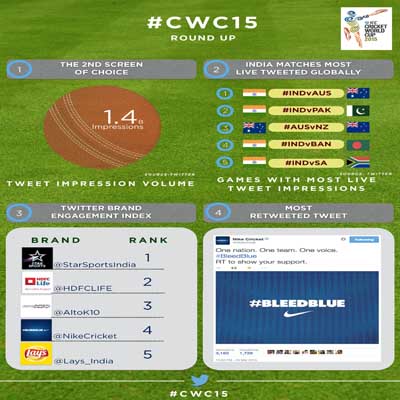
MUMBAI: Star India’s sports venture Star Sports sustained its reach on social media platform to gain the pole position on the Twitter brand index for Cricket World Cup 2015. Star Sports was followed by HDFC Life and Alto K10 in the second and third position respectively.
Twitter brand index for ICC Cricket World Cup 2015

Star Sports
Star Sports has consistently been featured amongst the top conversations on CWC15 with its popular video series that started with the India vs Pakistan group game. Every India victory in the competition meant a new video for the upcoming game. Using the viral hashtag #MaukaMauka that spawned its own memes and tribute versions, the campaign managed to capture the imagination of Indian cricket fans. Over and above this thematic campaign, Star Sports continued to connect with fans over its hashtag #WontGiveItBack – People could tweet to the handle with the hashtag and get the schedule of the matches in the cup.
HDFC Life
HDFC Life brought the Indian cricket fan together with the hashtag #MyTeamMyPride. Under the aegis of the hashtag the brand engaged with fans on predictions, contests and general comments around the game. Users loved the hashtag and used it as one of the top rallying cries this CWC15.
Alto K10
Alto K10 is one of the few car brands that used CWC15 to talk to its target group. With a creative spin on their brand tagline Chase Life, Alto has engaged the Indian cricket fan under its chase campaigns across the hashtags #ChaseCricket and #ChaseMaster. They ran a popular Sorry Sir contest where they invited people to tweet back to them with funny ideas for ways to skip college or office and watch India games. Using topical caricatures, contests and celebrating the team’s victory with fans Alto K10 got people to send them their selfies in blue to show support to the team – Chaselife. They were able to successfully take things that fans enjoy and blend their brand into that conversation.
Nike Cricket
A part of the #BleedBlue campaign – Nike created a chant (BleedBlue), which has been reverberating amongst supporters of the Indian cricket team since 2011. This has become the war cry of the Indian fan and this World Cup, Nike shared BleedBlue stories of fan and celebrities alike. As a part of the BleedBlue campaign, the official apparel manufacturer of the Indian cricket team also sent out personalised jerseys to sports stars, celebrities and other members of the sports fraternity. This helped the personalities show their loyalty using the hashtag BleedBlue. The most retweeted advertiser tweet of the CWC was the tweet that they sent out on the day of the semi-finals – asking people to show their support to the team by RT-ing the tweet.
Lays India
Lays climbed the chart by rallying the cricket fan on Twitter with the hashtags #LaysKePlays and #TicketKaGame contest. Winners of the contest were given the opportunity to watch the finals of the CWC15 live in Australia. They asked people to tweet with the hasthtag #TicketKaGame to reveal what the contest was going to be. The more the tweets, the faster was the reveal. #LaysKePlays asked users to tweet back to the handle with creative uses of cricket lingo and make it relevant to Lays.
Lava Mobile
Lava ran a prediction contest with goodies to be won. Technology brands and contests seemed to be a potent mix on Twitter and users loved it. They tied this in with a brand campaign around their X8 handset. The hashtag they used was #X8HighPerformer. It was a smart way to build the X8’s positioning on performance basis strong performances in the matches.
Castrol Cricket
Castrol followed, what in hindsight, seems like the winning model of a good hashtag, a contest and good content. They entered with the hashtag – #ClingOnToTheCup. Their biggest execution this CWC was when they asked people to tweet to them with their pictures and they would put those pictures up on the digital fence at the stadium during the game. Fans loved the idea of being able to become a part of the game in this manner.
Axis Bank
Axis Bank built engagement around cricketing rituals. Given the level of fanatical support for the game and the national team, people tweeted about how they do not take bath before games, drink water during games or leave their seats when a particular player is on a roll. Axis Bank used this insight to great effect by inviting people to share their rituals. They sustained engagement by continuing activity on Twitter beyond just match days to an Always On Strategy.
Score With Data
The Indian cricket fan loves data and statistics. IBM latched on to this insight and created this handle to share powerful data led insights through the CWC. People followed this account for live insights on players as the game progressed.
Dairy Milk
Dairy Milk was another brand that used contests very well. People joined in on the contest FansOfJoy where they were asked to WhatsApp their #FansOfJoy pics to grab their moment of fame in leading dailies. Apart from this there was a quiz where people stood to win Cadbury Dairy Milk hampers.
Club Mahindra
Club Mahindra was able to find creative ways to integrate stories from their resorts into the game. They put the Mandala from their logo to great use with tweets around the toss, when Virat Kohli was hitting 4s and 6s and when he reached his 100. When there was a great catch on the pitch they were ready with a tweet that showed someone catching a fish at one of their resorts and drew parallels of what a great catch looked like at Club Mahindra.






iWorld
Bill Ackman makes a $64bn bid for Universal Music Group
The hedge fund boss wants to list the world’s biggest record label in New York and thinks he knows exactly what ails it
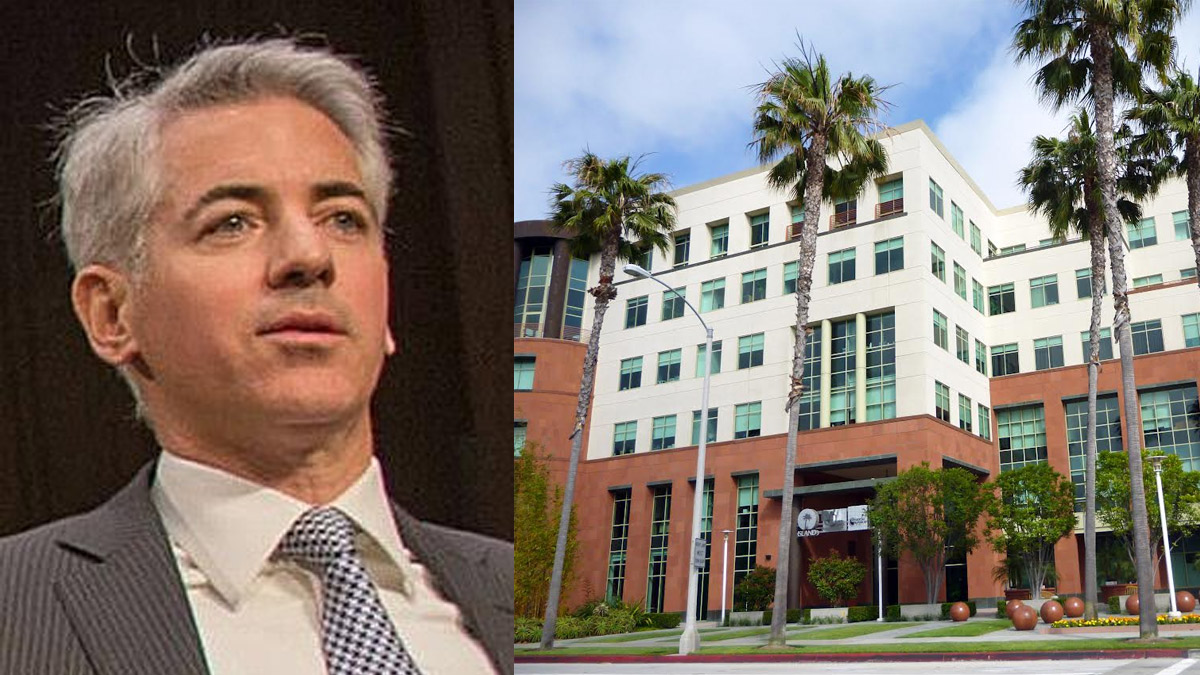
NEW YORK: Bill Ackman wants to buy the world’s biggest record label. Pershing Square Capital Management, the hedge fund run by the billionaire investor, submitted a non-binding proposal on Tuesday to acquire all outstanding shares of Universal Music Group in a business combination transaction worth roughly $64.4 billion (around 55.8 billion euros).
Under the terms of the offer, UMG shareholders would receive 9.4 billion euros in cash, equivalent to 5.05 euros per share, plus 0.77 shares of a newly created company, dubbed New UMG, for each share held. Pershing Square values the total package at 30.40 euros per share, a 78 per cent premium to UMG’s closing price on April 2.
The deal would see UMG merge with Pershing Square SPARC Holdings, with the combined entity incorporating as a Nevada corporation and listing on the New York Stock Exchange. New UMG would publish financial statements under US GAAP and become eligible for S&P 500 index inclusion. Pershing Square says the transaction is expected to close by year-end, with all equity financing backstopped by Ackman’s firm and its affiliates, and all debt financing committed at signing. The transaction would cancel 17 per cent of UMG’s outstanding shares, leaving New UMG with 1.541 billion shares outstanding.
Ackman has a long history with UMG. Pershing Square first bought approximately 10 per cent of the company from Vivendi in the summer of 2021 for around $4 billion, around the time of UMG’s listing on the Euronext Amsterdam exchange. He has since trimmed that position, raising around $1.4 billion from the sale of a 2.7 per cent stake in March 2025, and resigned from UMG’s board in May 2025, citing new executive and board obligations arising from recent investments.
His diagnosis of UMG’s troubles is blunt. The company’s stock has fallen around 33 per cent over the past twelve months on the Euronext Amsterdam exchange, and Ackman lays out six reasons why. These include uncertainty around the Bolloré Group’s 18 per cent stake in the company, the postponement of UMG’s US listing, the underutilisation of UMG’s balance sheet, the absence of a publicly disclosed capital allocation plan and earnings algorithm, a failure to reflect UMG’s 2.7 billion euro stake in Spotify in its valuation, and what Ackman calls suboptimal shareholder investor relations, communications and engagement.
The Bolloré stake has long cast a shadow over the company. Cyrille Bolloré stepped down from UMG’s board in July 2025 as the Bolloré Group battled the French financial markets regulator over its stake in Vivendi, which holds a further capital interest in UMG. UMG had confidentially filed a draft registration statement with the US Securities and Exchange Commission in July 2025 for a proposed secondary listing in America, but put those plans on hold in March 2026, citing market conditions.
Ackman has kind words for UMG’s management, at least. “Since UMG’s listing, Lucian Grainge and the company’s management have done an excellent job nurturing and continuing to build a world-class artist roster and generating strong business performance,” he said. But he made his diagnosis plain: “UMG’s stock price has languished due to a combination of issues that are unrelated to the performance of its music business and importantly, all of them can be addressed with this transaction.”
In other words, Ackman believes UMG is a great business trapped inside a broken structure. If the board agrees, he intends to fix that, loudly and in New York.






