News Broadcasting
Star One plans revival in Mumbai


MUMBAI: After striking a truce with Mumbai’s cable operators and gaining prime band occupancy on their networks, Star One is making all efforts to regain lost ground.
In order to refresh the memories of the Mumbai viewer, Star One has slotted a series of marathons and re-cap episodes of its key properties including The Great Indian Laughter Challenge Dwitiya (TGILCD), India Calling, D.O.N, Yeh Dil Chahe More and Kya Hoga Nimmo Ka.
“Due to a disagreement with the cable trade in Mumbai, we were absent from the prime band. It crippled the channel’s growth in a big way. Now we have reached a settlement and are back on the prime band. Mumbai has always been an important market for the channel, delivering almost 30 per cent of the Hindi Speaking Market (HSM) ratings. Now we look forward to regaining our position,” states Star India EVP marketing Ajay Vidyasagar.

Speaking on the impact that Mumbai’s absence from the picture made on the newly launched shows such as Kya Hoga… and Heart Beat, Vidyasagar says, “Those brands didn’t get an opportunity to connect with the Mumbai viewers.” On the revival of the channel, he counts on TGILCD to play a key role. “This property will be the lead vehicle for us to drive audiences in Mumbai back to the channel.”
On the marketing and promotion front, the channel will be triggering a multimedia campaign covering print, radio, outdoors and internet. “We will begin with a print campaign tomorrow (1 June) leading up to the finals of TGILCD. This will be followed by a series of radio activities. Celebrities such as Hrithik Roshan and Diya Mirza will also come on board for promotions. We are planning extensive ground events to promote TGILCD,” says Vidyasagar.
On the latest introduction Heart Beat not figuring in the recap exercise, Vidyasagar explains, “It is a bit tough to get into a wild bunch of repeats. We don’t want to offer an over dose of the strategy.”
When queried on the fate of those upcoming shows including Sixer, which were put on hold post the cable disturbance, Vidyasagar said they were put on hold due to creative reasons. “There weren’t too many shows, which we put on hold. Yes, due to certain creative reasons, we have delayed certain shows. It will require certain time to recraft those shows,” he says.
As already reported by Indiantelevision.com, Star One was pushed into the hyper band since January as Star India was asking for an increase in payout from cable TV operators. Star was blamed by the association of distributors and last mile operators in Mumbai for forcing the second bouquet comprising channels like Star One and Walt Disney on cable operators.
Opposition was also against Tata Sky, in which Star is a 20 per cent joint venture partner, for approaching housing societies with the proposal of offering residents a central dish antenna through which it could connect individual installations and offer direct-to-home (DTH) service.






News Broadcasting
CNN-News18 to host Fury in the Gulf conclave on West Asia crisis
Three-hour summit to unpack geopolitical fallout and impact on India
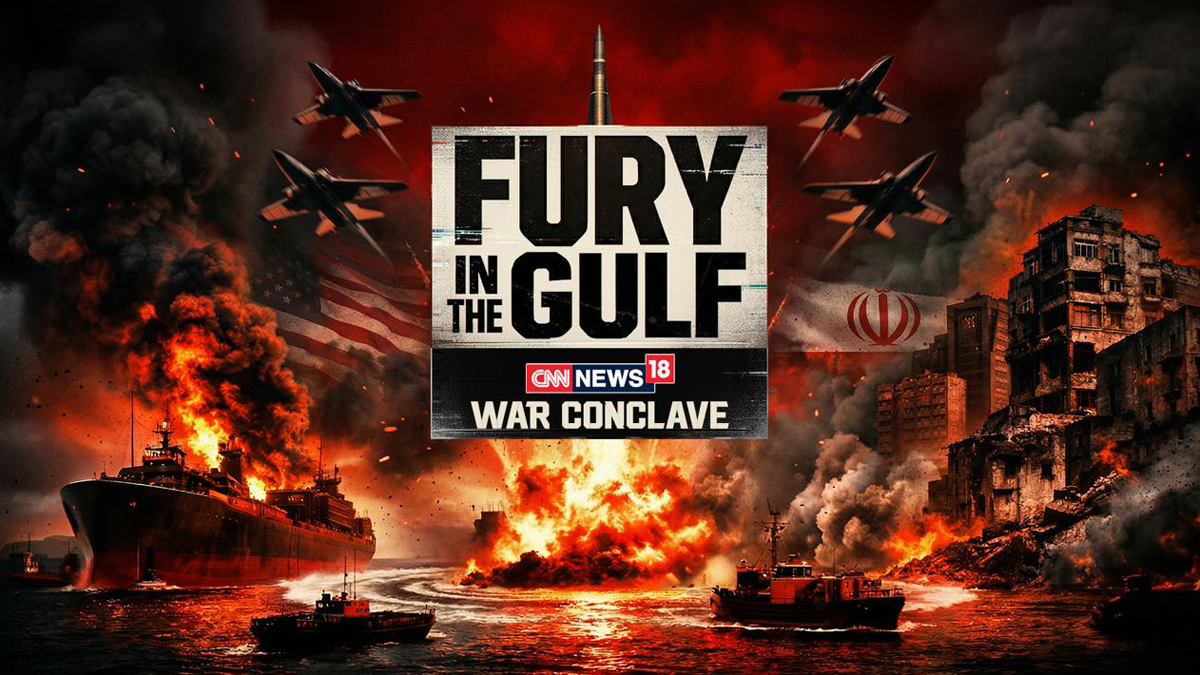
MUMBAI: CNN-News18 is set to host a special three-hour broadcast, Fury in the Gulf – War Conclave, on April 7, aiming to decode the escalating West Asia crisis and its far-reaching implications for India.
Scheduled from 4:00 PM to 7:00 PM, the conclave comes at a time when tensions between Iran and the United States are reshaping global geopolitics and triggering economic uncertainty. With India’s deep energy ties, trade links and large diaspora in the Gulf, the developments carry significant domestic relevance.
Built around the theme ‘Conflict, Consequences, and The Future,’ the programme will feature six curated sessions combining one-on-one interviews and panel discussions. The focus is to cut through the clutter and offer viewers a clearer understanding of the fast-evolving situation.
Key sessions include ‘Diplomacy in Times of War’ featuring Shashi Tharoor, and ‘World After the Iran Conflict’ with voices such as Ram Madhav, Reuven Azar, representatives from the European Union and the Iranian Deputy Envoy. Another session titled ‘Another Dunkirk?’ will bring together K. J. S. Dhillon and Jitin Prasada among others.
CNN-News18 editorial affairs director Rahul Shivshankar said, “In times of war, clarity becomes the most powerful tool. Fury in the Gulf – War Conclave brings together credible voices to address the questions and confusion that arise amid an overwhelming influx of information.”
He added that the initiative is aimed at delivering “facts, perspective, and insight” at a time when misinformation can easily cloud public understanding.
Echoing the sentiment, CNN-News18 CEO– English and business news Smriti Mehra said the conflict marks a defining global moment, with consequences that extend well beyond the region. She noted that the conclave seeks to present the crisis with “depth, nuance and responsibility” so audiences can better grasp its real-world impact.
As geopolitical tensions continue to dominate headlines, the conclave positions itself as an attempt to bring order to the noise, offering viewers a structured, insight-led look at a complex and rapidly shifting global situation.






