News Broadcasting
Star granted two months to change One’s logo


NEW DELHI: Star India has been granted time till 31 December to complete changes in the logo of its new entertainment channel, which went on air today.
The changes would have to include mention of the word `Star along with `One, which would mean the channel’s name would formally read Star One. The present logo doesn’t have the written word ‘Star’ and instead carries a visual of a star, signifying its parentage.
The consent terms, signed today between petitioner Sahara Mass Media Communication and Star India under court order, states that from 1 January the new logo should be sported by the new Hindi entertainment channel.

In the interim, as reported by indiantelevision.com earlier, the word ‘Star’ would be flashed prominently thrice an hour indicating that the channel is called Star One.
The Delhi high court, however, refused to pass any injunction against Star India on a petition filed by Sahara on 25 October. This means that Star can go ahead with its ad sales and other activities.
Star One goes on air tonight, at 8.00 p.m. Backed by a huge marketing campaign, Star One will unveil its first programme tonight as per schedule. Star One, is essentially targeted at urban, upscale audiences, and will open with Remix, a one-hour daily, which is a first for Indian television.
Star One promises the next generation of Hindi entertainment with shows that speak an urban language, crisp storylines and next generation styling.





News Broadcasting
CNN-News18 rolls out Battle for the States ahead of key polls
Multi-format election coverage tracks voter mood across five battleground states
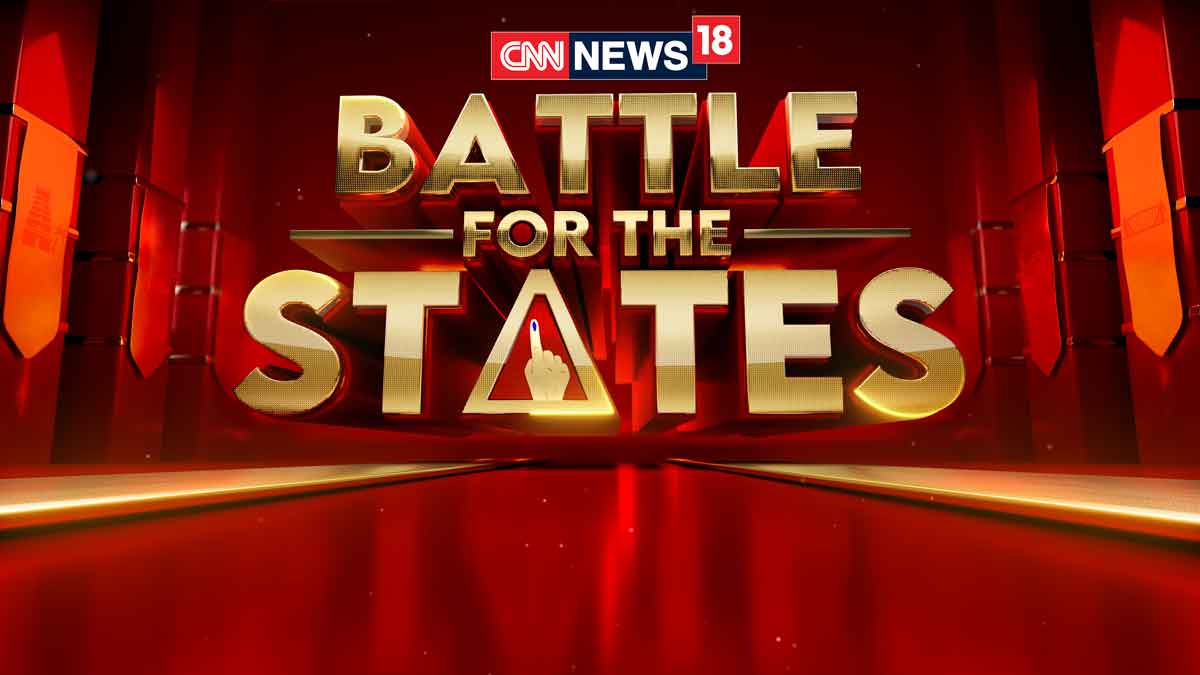
NEW DELHI: CNN-News18 has launched a special election programming initiative titled Battle for the States, as India gears up for high-stakes Assembly elections across West Bengal, Tamil Nadu, Kerala, Assam and Puducherry.
Built around the theme ‘Road to Power’, the multi-format coverage aims to follow the entire electoral journey, from campaigning and polling to results and government formation. The network is leaning into on-ground reportage and data-backed storytelling to decode voter sentiment across regions where local issues often shape the narrative.
The programming line-up includes ‘Vote Tracker’, a three-part series developed in collaboration with survey agency Vote Vibe. The show blends survey insights with expert commentary and field reporting, using augmented reality graphics to present complex electoral data such as vote share, seat projections and leadership preferences in a more accessible format. It will air every Monday evening until April 6.
Adding a cultural lens to political reporting is ‘So Saree!’, a ground-driven segment where women anchors travel across constituencies dressed in traditional handwoven sarees from each state. The format uses attire as a storytelling device, highlighting regional identity while capturing grassroots voices.
Meanwhile, ‘Unfiltered Kaapi’ and ‘Chai-Niti’ bring a more conversational tone, drawing inspiration from everyday political discussions in tea stalls and coffee corners. These segments aim to break down key issues through candid, fast-paced exchanges between anchors and reporters, tailored to regional sensibilities.
For viewers seeking deeper insights, the weekend docuseries ‘Reporters Project’ takes a longer view, with correspondents travelling across constituencies to map voter concerns and political shifts on the ground.
“Elections are about people, their aspirations, identities and the issues that matter to them, and every state tells a different story,” said CNN-News18 editorial affairs director Rahul Shivshankar. He added that the initiative focuses on understanding “the sentiment on the ground and what’s driving voter choices”.
Echoing the emphasis on credibility, Network18 CEO – English and business news Smriti Mehra said the network aims to combine on-ground reporting with data-led insights to deliver clear and timely coverage as the elections unfold.
With a mix of data, culture and grassroots reporting, CNN-News18 is positioning Battle for the States as a comprehensive window into one of India’s most closely watched electoral cycles, where every vote carries a story waiting to be told.






