eNews
Sports partnerships in the era of streaming services – Optimising Digital and Offline Marketing


Mumbai: In India’s fast-paced digital economy, the sports sector is going through a major upheaval, mostly as a result of the emergence of live-streaming services. Sports fans are increasingly preferring the digital way to consume sports content, limiting the scope of traditional distribution channels thus, limiting the scope for brands to effectively advertise their cause. This digital transformation presents opportunities as well as challenges for brands keen on investing in sports.
Traditionally, television has dominated the viewership in the realm of sports. In India, just a decade ago, the influx of the internet was far less pervasive than it is today. Live sports streaming on OTT platforms was not affordable and accessible and, thus, was not the norm, and fan engagement strategies were confined to offline channels. However, as the internet began to gain momentum and accessibility across India, a gradual shift occurred. The coming of the digital age brought up the emergence of online streaming services and digitally created content for fans across the globe. Fans started to enjoy the freedom to access their favourite sport and sport-related content regardless of the region, breaking free from traditional television schedules. This shift marked the beginning of a digital revolution.
People today are more connected than ever before, thanks to the internet era. Thus sports leagues, sports tournaments, athletes, and the sports industry in general have also started to connect with their fans via digital platforms. Today, live sports broadcasts and live sports consumption have majorly shifted to OTT platforms to make it accessible for fans to engage with sports. Additionally, the emergence of social media platforms and the presence of fans on these platforms have made it all the more imperative for sports to take the digital route. Interestingly, the emergence of these digital platforms, may it be OTT streaming or social media, has made it possible for previously unattainable ideas, material, and opinions to be shared. The digital route that sports today across the world is taking is affecting the brands positively as it gives them access to more accurate data about their target audience and also opens a new mode of communication, especially with the new generation. This has also led to brands partnering with specific sports tournaments and organizations and curating customized material that is specific to the audience and the platform on which it is being placed.

This makes us question if offline marketing still holds its value. Though digital means have a worldwide reach, they lack two crucial components that prevail in all walks of life: trust and credibility. Trust, credibility, personal touch, and camaraderie are what make offline marketing, especially in sports, significant. In face-to-face encounters, whether at live sports events, sponsor activations, or community initiatives, there exists a tangible sense of reliability and authenticity that can be orchestrated with the fans present at the moment.
Online marketing is very good at drawing in new customers since it primarily targets a large audience. With online content, brands have more scope to explore creativity with captivating imagery and narrative to engage potential customers. In order to appeal to certain demographics, interests, and behaviours that resonate with the target audience, brands, and organizations also get the opportunity to customize their message and creative assets. On the other hand, offline marketing initiatives effectively target local geographies and demographic audiences. Companies and brands have the ability to target certain regions, organize events, and choose the material that appeals to the local population in those locations. Sports is one such area that offers brands the opportunity to leverage both of these ways of marketing. Brands investing in local sports by organizing or partnering with local sports tournaments or promoting local talent by supporting their journey can help the brand create a stronger bond with the community. Brands can take the digital route or a more traditional offline marketing route; sports offers a 360-degree advertising opportunity with the added advantage of positive brand building and long-term connection with the community.
‘Decathlon’, one of the leading sports brands in India, is a great example of how companies may interact with their audience by combining offline and internet marketing techniques. With multiple digital campaigns such as ‘Play Your Own Way’ or ‘HERoes of Decathlon,’ they promote the idea of sports and inclusivity within sports effectively while hosting sports tournaments, partnering with local sports events and sports communities to establish real connections with customers and provide them with an in-person opportunity to interact with the brand and test out new items.
In order to survive in this fast-paced world where consumers have easy access to thousands of brands, it is crucial to blend online and offline marketing strategies. The development of the digital age has created many fan engagement options, ranging from interactive social media marketing to immersive stadium experiences. Brands must choose the right opportunity and leverage the growing sports community in India.
This article has been authored by SportVot co-founder, CMO Shubhangi Gupta.






eNews
Piyush Thakur steps down as Inshorts’ chief revenue officer
Former vice president and cro says exit marks a new chapter after close to a decade of building revenue and partnerships at Inshorts Group.
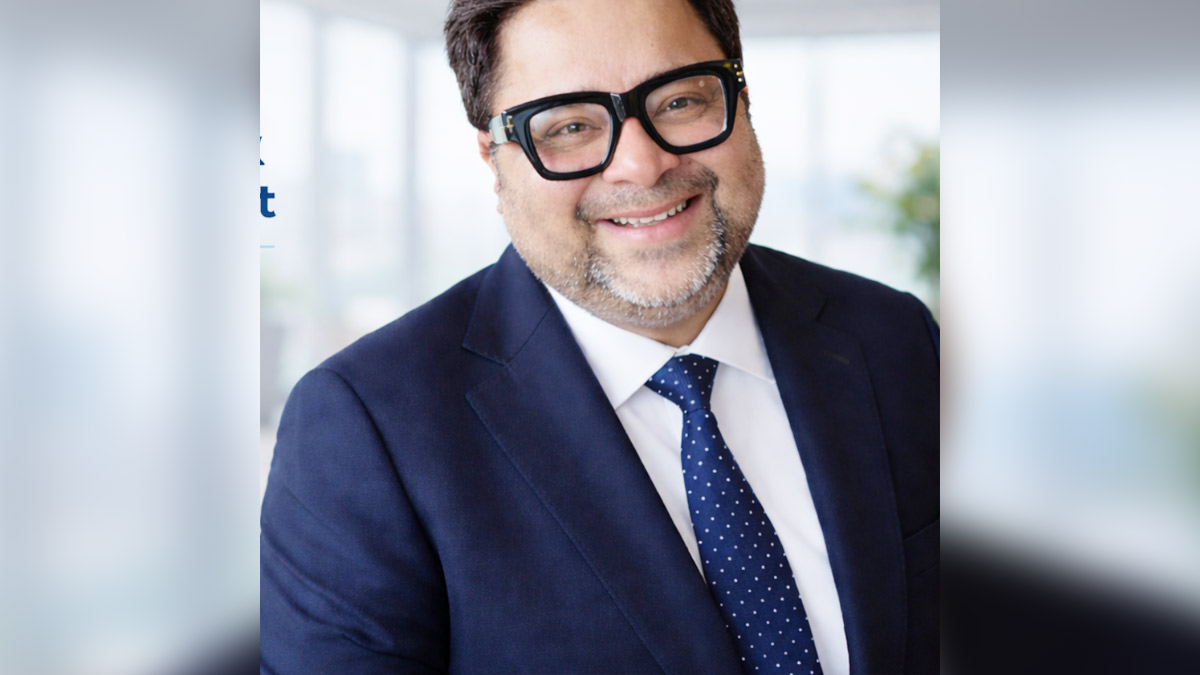
NOIDA: Piyush Thakur has stepped away from Inshorts Group after nearly 10 years with the company, marking the end of a long tenure that culminated in his role as chief revenue officer.
In a farewell note, Thakur said he was “turning a new page” after almost a decade at Inshorts, calling it one of the hardest professional decisions he has made. He added that his exit was not driven by uncertainty about the future, but by reflection on a long association with the company.
Thakur joined Inshorts in October 2016 as vice president and spent around seven years in the role before being elevated to chief revenue officer in April 2024, a position he held until April 2026.
He said his tenure was defined by “thousands of mornings, late nights, product debates and breakthrough moments”, as the company evolved into a large-scale digital news platform used by millions.
In his note, Thakur emphasised that Inshorts’ growth was a collective effort across teams, adding that engineers, designers, sales teams and customer support staff all contributed to building the platform. He said the company’s success was not the result of individuals but of “everyone who stayed, passed through, and left their mark”.
Before Inshorts, Thakur worked across several digital media and business development roles. At ESPN, he served as senior regional manager from October 2015 to October 2016, focusing on growth initiatives, strategic opportunities and video distribution.
At Times Internet, he worked for nearly three years, including as head of business development from April 2015 to September 2015 and chief manager from January 2013 to March 2015. His responsibilities included monetisation of mobile platforms, managing media and developer partnerships, and driving revenue across digital properties such as The Times of India and The Economic Times.
Earlier, he worked at Brandmovers as head of business development from June 2012 to June 2013, handling digital, mobile and social media marketing solutions, client development and strategic consulting. During this period, he also worked on advertising revenue, brand strategy and CRM-based solutions.
At Inshorts, Thakur’s role focused on revenue strategy, mobile and media partnerships, and growth initiatives across platforms. His profile highlights experience in mobile product management, digital business models, partner ecosystems and revenue expansion in high-growth environments.







