iWorld
Sports organisations dive into creating own digital ventures


MUMBAI: When cord-cutting started to become a phenomenon, there was a perception that live sports was one of the reasons why people wouldn’t cut the cord. In last two years, however, sports have proved to be a game changer for over-the-top (OTT) services. As a result, several major sports federations are taking initiatives to launch their own streaming services.
Broadcasters have become frenzied when it comes to bidding for sporting tournaments with everyone letting their purses loose. Traditional broadcasters have led the way till now but sports federations are trying to make a mark of their own for dedicated and new fans.
Recent reports suggest that La Liga, Spain’s football governing body has planned to launch an OTT service. It aims to secure €1.3 billion a year for the TV rights, but pay-TV operators are not willing to pay such a sum. Football fans across the globe eagerly wait for La Liga matches but yet broadcasters view the amount as a non-profitable sum.

The availability of OTT platforms is enabling La Liga organisers to stick to the amount they are demanding. Javier Tebas, president of La Liga recently said at a conference in Barcelona, that if the bids don’t meet their expectation they won’t grant the rights. Moreover, the OTT platform La Liga is already working on will be a free multi sports streaming service adding more value to it.
Another world class tournament, which has a fan worldwide, has a full-fledged plan to launch its OTT F1 TV. While La Liga’s plan to make its OTT service free, F1 TV is going to be a subscription-based commercial free service. Aimed at core fans of Formula One, its plans to ace digital transformation is definitely a huge one.
Like many OTT players worldwide, who don’t want non-paying viewers to jump out, the Formula One committee will offer a less expensive, non-live subscription tier, F1 TV Access. It will provide live race timing data and radio commentary, as well as extended highlights of each session from the race weekend. Knowing the fact that streaming live sports with lowest latency might be a challenge, it has relied on Tata Communications for CDN and connectivity services.
The inclination to reach the global audience through a digital platform touched the Winter Olympics too. One of the main aims of the digital coverage is to engage fans more with the ongoing tournament to keep the excitement high. 2018 was the first year to witness digital coverage of this ancient sporting event. Olympic Channel aired Olympic Games coverage live for the first time on its global digital platform at olympicchannel.com and mobile apps for Android and iOS.
Such attempts allow sports organisations the opportunity to reach fans on own terms and develop a direct relation with them. Along with coping with change in viewers’ habit, it may help them to evade the complex bidding process.
Though the trend seems new, WWE is one of the earliest examples to dive into OTT streaming service in 2013. WWE saw multiple benefits from offering its OTT subscription service to viewers including addition of more than a million active subscribers within a short term according to reports. Other than that, what they got is data. A spokesperson from the company itself said, they could track when viewers are watching, what device they are using, how long they are watching, etc.
By using your own OTT app federations can directly know their audience by gathering data. Using this information of viewer’s habit and demographics, the organisations can revamp the branding of the leagues in future. Especially, in such a context when on-demand sports content is a must in the future.







eNews
Piyush Thakur steps down as Inshorts’ chief revenue officer
Former vice president and cro says exit marks a new chapter after close to a decade of building revenue and partnerships at Inshorts Group.
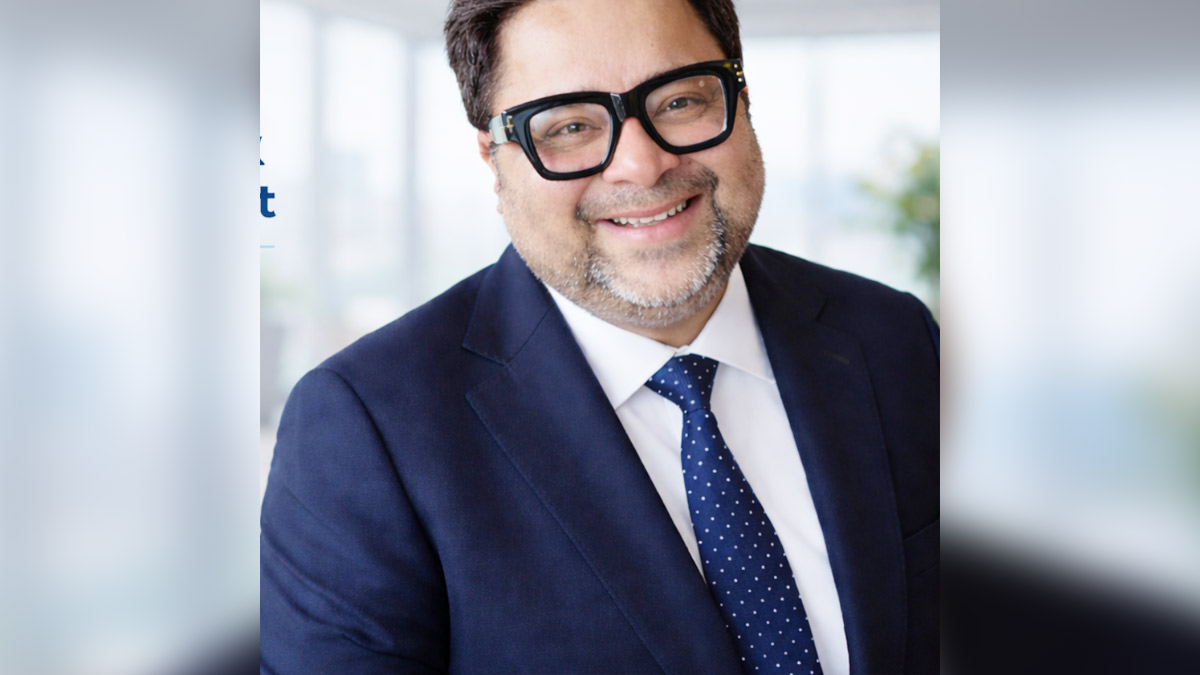
NOIDA: Piyush Thakur has stepped away from Inshorts Group after nearly 10 years with the company, marking the end of a long tenure that culminated in his role as chief revenue officer.
In a farewell note, Thakur said he was “turning a new page” after almost a decade at Inshorts, calling it one of the hardest professional decisions he has made. He added that his exit was not driven by uncertainty about the future, but by reflection on a long association with the company.
Thakur joined Inshorts in October 2016 as vice president and spent around seven years in the role before being elevated to chief revenue officer in April 2024, a position he held until April 2026.
He said his tenure was defined by “thousands of mornings, late nights, product debates and breakthrough moments”, as the company evolved into a large-scale digital news platform used by millions.
In his note, Thakur emphasised that Inshorts’ growth was a collective effort across teams, adding that engineers, designers, sales teams and customer support staff all contributed to building the platform. He said the company’s success was not the result of individuals but of “everyone who stayed, passed through, and left their mark”.
Before Inshorts, Thakur worked across several digital media and business development roles. At ESPN, he served as senior regional manager from October 2015 to October 2016, focusing on growth initiatives, strategic opportunities and video distribution.
At Times Internet, he worked for nearly three years, including as head of business development from April 2015 to September 2015 and chief manager from January 2013 to March 2015. His responsibilities included monetisation of mobile platforms, managing media and developer partnerships, and driving revenue across digital properties such as The Times of India and The Economic Times.
Earlier, he worked at Brandmovers as head of business development from June 2012 to June 2013, handling digital, mobile and social media marketing solutions, client development and strategic consulting. During this period, he also worked on advertising revenue, brand strategy and CRM-based solutions.
At Inshorts, Thakur’s role focused on revenue strategy, mobile and media partnerships, and growth initiatives across platforms. His profile highlights experience in mobile product management, digital business models, partner ecosystems and revenue expansion in high-growth environments.







