iWorld
Sony’s New Strategic Vision: Inside CEO Gaurav Banerjee’s Transformation Plan

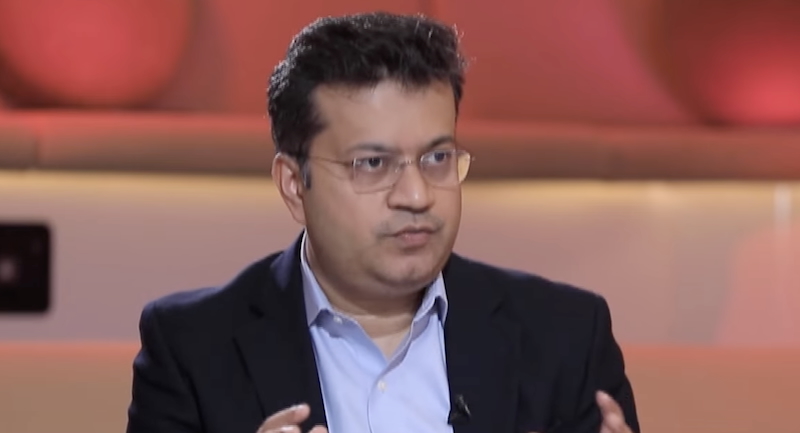
MUMBAI: Six months into his tenure as CEO of Sony Pictures Networks India, Gaurav Banerjee (GB as he is called internally and by those who know him) is orchestrating a remarkable turnaround of the media giant’s Indian operations. In a detailed conversation with CNBC-TV18, GB outlined his vision for revitalising Sony’s presence in both traditional television and digital streaming.
Under Banerjee’s leadership, Sony Entertainment Television (SET) has witnessed a dramatic 70 per cent surge in ratings, climbing from the early 50s to the late 80s. This transformation has been driven by strategic content decisions, most notably the revival of the iconic crime drama CID, which achieved the channel’s strongest fiction launch in seven years.
“Our flagship channel had not been doing well,” GB acknowledged. “Some of that identity had got diluted”.
His response was decisive: streamline programming to reinforce Sony’s distinctive identity whilst reinvigorating successful formats. The strategy has paid dividends, with Indian Idol recording a 30 per cent increase in ratings compared to its previous season.

“Programs like Shark Tank in its latest season were tweaked and put on the streamer only and it has notched up a jump in viewership and viewers.

Contrary to industry pessimism about traditional television, GB remains bullish on linear TV’s prospects in India. “There is no evidence of TV’s decline. In fact, there is substantial evidence that TV is set to grow in our country”, he asserts, pointing to India’s massive television audience of 700 million viewers. This optimism is reinforced by continued support from major advertisers like Hindustan Unilever, who recognise television’s unique brand-building capabilities.
For Sony as a group, GB has implemented a four-pillar strategy encompassing sports, television content, original productions, and regional expansion. The company has secured rights to premium sporting events, including three Grand Slam tennis tournaments and 35 days of top-tier cricket coverage. Original content continues to be a priority, building on the success of acclaimed series like Scam and Rocket Boys.
Addressing the aftermath of the failed Zee merger, GB maintains a forward-looking stance. “The Sony group is a big believer in the potential of India”, he states, emphasising the company’s commitment to the market. On the competitive landscape of cricket rights, he advocated a measured approach: “We need to have an eye on profitability… Having two different revenue streams is very important Hence, SonyLiv will not be free.”
GB who previously held senior positions at Disney Star, brings a clear vision for Sony’s future: “We’re not here to count subscribers; we’re here to build a product.”
This philosophy underpins his approach to both traditional and digital platforms, focusing on premium content creation and sustainable growth.
GB refused to be drawn into any conversation about reviving discussions with Zeel about any merger possibilities in the light of the emergence of the JioStar megabeast.
“I think me and my team have a job on our hands and we are focused on that. What ever had to be said about it, has been, before I entered this building,” he reparteed when pushed. ”I want us to build a great portfolio of amazing content and that’s what all of us in this building are focused on now. We have got great brands in-house and we have to grow them in Hindi and in other Indian languages. We have to grow them on television, we have to grow them on digital.” 
Looking ahead, Sony’s strategy under GB appears focused on leveraging its strong heritage while embracing digital innovation. With significant improvements already visible in his first six months, the CEO’s vision for Sony India combines strategic content development with pragmatic business decisions, positioning the company for sustained growth in India’s evolving media landscape.
“Entertainment isn’t just relaxation-it shapes society”, GB reflects, highlighting the broader significance of his role in steering one of India’s major media enterprises.
As Sony continues its transformation, the early results suggest that Banerjee’s strategic repositioning is successfully reconnecting the brand with Indian audiences across both traditional and digital platforms. Viewers will agree he is the best man to remind India why it fell in love with Sony in the first place.
If the past six months are anything to go by, Gaurav Banerjee and his team are just about getting started.






iWorld
Bill Ackman’s Pershing Square makes $64 billion bid to acquire Universal Music Group
Ackman pitches NYSE relisting plan as UMG board weighs unsolicited offer

The hedge fund has proposed a business combination that values UMG at €30.40 per share, representing a hefty 78 per cent premium to its current trading price. The offer includes €9.4 billion in cash alongside stock in a newly formed entity, with shareholders set to receive €5.05 per share in cash and 0.77 shares in the new company for each UMG share they hold.
Under the proposal, UMG would merge with Pershing Square SPARC Holdings Ltd and re-emerge as a Nevada-based entity listed on the New York Stock Exchange. The move is designed to boost investor visibility and potentially secure inclusion in major indices such as the S&P 500.
Pershing Square Capital Management ceo Bill Ackman argued that while UMG’s operational performance remains strong, its market valuation has lagged due to external factors. “UMG’s stock price has languished due to a combination of issues that are unrelated to the performance of its music business,” Ackman said, pointing to concerns ranging from shareholder overhang to delayed US listing plans.
Ackman also flagged what he sees as untapped potential in UMG’s balance sheet and a lack of clear capital allocation strategy. He added that the market has not fully recognised the value of UMG’s €2.7 billion stake in Spotify, alongside gaps in investor communication.
The proposed transaction would also result in the cancellation of around 17 per cent of UMG’s outstanding shares, while maintaining its investment-grade balance sheet. Pershing Square has said it will fully backstop the equity financing, with debt commitments secured at signing. The deal is targeted for completion by the end of the year.
UMG, however, has struck a measured tone. The company confirmed that its board has received the non-binding proposal and will review it with advisers. It reiterated confidence in its current strategy and leadership under Lucian Grainge, signalling no immediate shift in stance.
The proposal comes at a time when global music companies are navigating evolving investor expectations, streaming economics and capital allocation pressures. For Pershing Square, the bet is clear: sharpen the financial story, relist in the US, and let the music play louder in the markets.
Whether UMG’s board is ready to change the tune remains to be seen, but the spotlight on its valuation just got a lot brighter.






