News Broadcasting
Siddharth Zarabi and Alok Nair take charge of Business Today in sweeping leadership shuffle

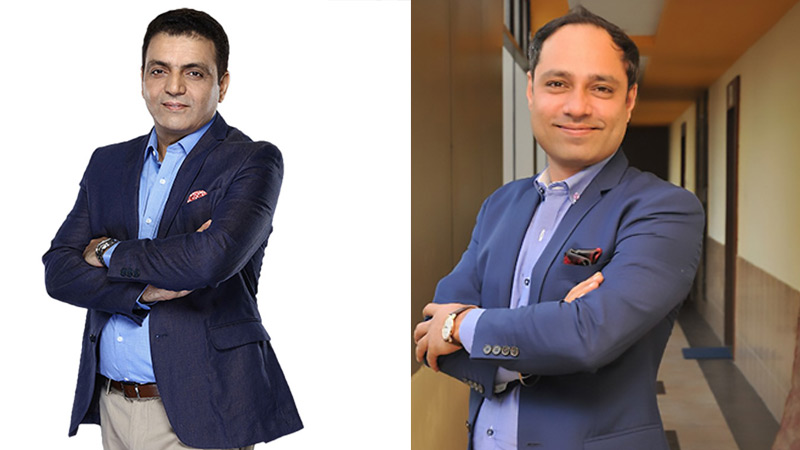
MUMBAI: At Business Today, the winds of change are charging at bull-run speed. In a significant leadership shake-up announced by the India Today Group, Siddharth Zarabi has been elevated to the role of group editor, while Alok Nair has taken independent charge of the overall Strategic Business Unit (SBU). Both executives now steer one of India’s most influential business media outfits into its next ambitious chapter.
Zarabi, who has been with Business Today for just four years, will now helm the brand’s digital mandate in addition to his leadership across print and TV. With this expanded portfolio, Zarabi completes the vision of a unified, synergistic business vertical across platforms—a strategy laid out by Aroon Purie and the Group’s top brass. In his new role, he reports to Purie for print and to the author of the announcement for digital and TV operations.
Congratulating Zarabi, the note hailed his growth as a homegrown ITG talent and recognised his leadership in shaping Business Today’s editorial voice. His promotion positions him at the forefront of an integrated content strategy amid growing media convergence.

On the business side, Business Today COO Nair has taken independent charge of the entire SBU. Having spent four years scaling up the business, Nair has seamlessly integrated into the company’s high-performance culture. The announcement lauded his blend of energy, vision, and what were cheekily referred to as “magic beans”.
Nair will now report directly to India Today Group, group CEO Dinesh Bhatia. His elevation is seen as a bold move to energise Business Today’s business trajectory and deepen its market impact.
In a separate but equally enthusiastic email, Kamlesh Kishore Singh, host of the podcast Teen Taal was welcomed back into the newsroom after a brief sabbatical. Singh, known for his 16-year stint at the group and his mentorship at Lallantop, resumes a full-time role from 1 May, adding further heft to the Group’s editorial firepower.
With Singh’s ‘unretirement’, the reunion with longtime collaborator Venkat promises what leadership calls a “lethal combo” for doubling down on AI and digital transformation. In lighter moments, the note teases an “Unfarewell party” to celebrate his return.
Both announcements underline India Today Group’s renewed faith in internal leadership and long-standing editorial talent. “Get ready for a real bull run”, the memo concludes—a statement that may apply as much to markets as it does to this spirited newsroom.





News Broadcasting
CNN-News18 to host Fury in the Gulf conclave on West Asia crisis
Three-hour summit to unpack geopolitical fallout and impact on India
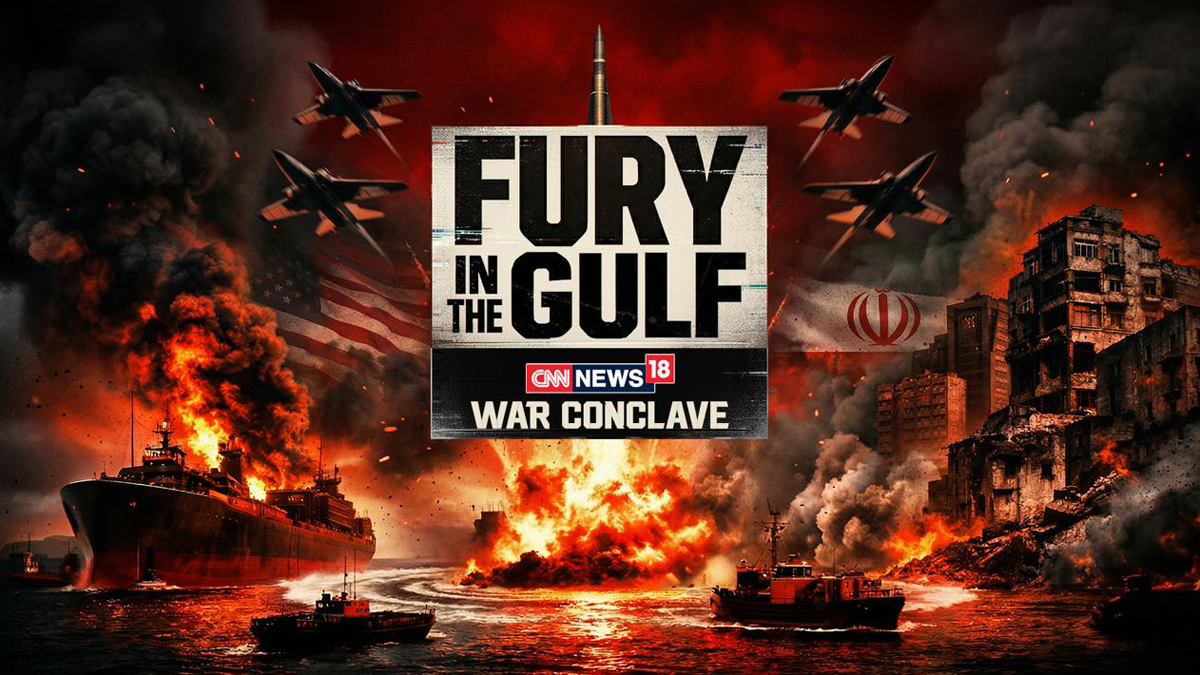
MUMBAI: CNN-News18 is set to host a special three-hour broadcast, Fury in the Gulf – War Conclave, on April 7, aiming to decode the escalating West Asia crisis and its far-reaching implications for India.
Scheduled from 4:00 PM to 7:00 PM, the conclave comes at a time when tensions between Iran and the United States are reshaping global geopolitics and triggering economic uncertainty. With India’s deep energy ties, trade links and large diaspora in the Gulf, the developments carry significant domestic relevance.
Built around the theme ‘Conflict, Consequences, and The Future,’ the programme will feature six curated sessions combining one-on-one interviews and panel discussions. The focus is to cut through the clutter and offer viewers a clearer understanding of the fast-evolving situation.
Key sessions include ‘Diplomacy in Times of War’ featuring Shashi Tharoor, and ‘World After the Iran Conflict’ with voices such as Ram Madhav, Reuven Azar, representatives from the European Union and the Iranian Deputy Envoy. Another session titled ‘Another Dunkirk?’ will bring together K. J. S. Dhillon and Jitin Prasada among others.
CNN-News18 editorial affairs director Rahul Shivshankar said, “In times of war, clarity becomes the most powerful tool. Fury in the Gulf – War Conclave brings together credible voices to address the questions and confusion that arise amid an overwhelming influx of information.”
He added that the initiative is aimed at delivering “facts, perspective, and insight” at a time when misinformation can easily cloud public understanding.
Echoing the sentiment, CNN-News18 CEO– English and business news Smriti Mehra said the conflict marks a defining global moment, with consequences that extend well beyond the region. She noted that the conclave seeks to present the crisis with “depth, nuance and responsibility” so audiences can better grasp its real-world impact.
As geopolitical tensions continue to dominate headlines, the conclave positions itself as an attempt to bring order to the noise, offering viewers a structured, insight-led look at a complex and rapidly shifting global situation.






