iWorld
Showt empowers the common person to voice their opinion: Anshuman Misra

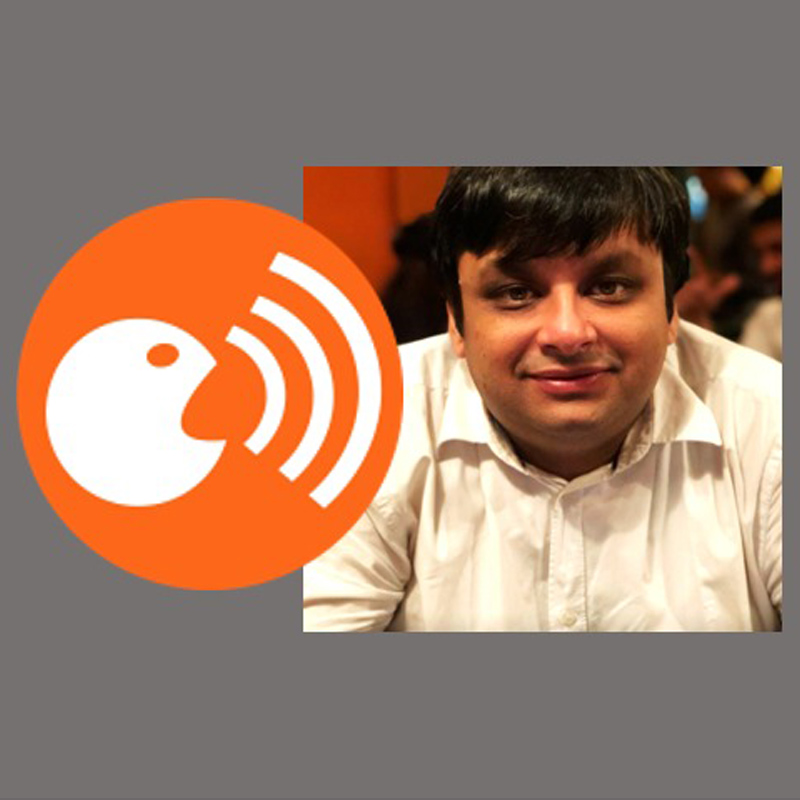
NEW DELHI: Showt, an instant global voting platform scheduled to have its global launch in Q1 2021, recently roped in Anshuman Misra as the president.
He will be playing an instrumental role in scaling the platform and his vision is to reach everyone with a mobile phone in India, followed by the world.
Misra was last serving at Hike as VP operations (product, growth, and engineering). He worked there for over eight years. He has an overall experience of 17 years in deep tech and has led various positions at Hike, Spice Digital, IBM, and Microsoft. He has a proven ability to drive strategic growth in digital consumer products through product innovation, NLP and AI.

The Showt platform allows people everywhere, across all devices, the opportunity to quickly express and share a positive or negative opinion about public figures, brands, organizations, music, film, television, and have their opinions be aggregated, replied to, and reported on worldwide.
Headquartered in Dublin, Showt is a powerful new way for brands to connect with their consumers, for stars to connect with their fans, for politicians to connect with their voters. The platform is accessible in 65 languages.
Indiantelevision.com caught up with Misra to know about his plans and how he intends to take the platform forward.
Q: How did you get recruited to Showt?
Well, it was a serendipitous meeting with Michael and Andy. I was definitely blown away by the sheer potential of the idea and also pleasantly surprised that this space hasn’t been aggressively looked at globally yet. I share their passion to build experiences that scale to hundreds of millions of users.
Q: What are the launch plans for Showt Q1, 2021?
We’d like to have Showt integrated with the top two content platforms, and also have our standalone beta launched by then. We’d like to show value to our customers and investors alike and adopt a 3-6-9 month strategy with validation from each stage.
Q: What is Showt’s USP (Unique Selling Proposition)?
Showt is a global crowd voting platform. It empowers the common person to voice their opinion, to be heard by those that matter, and to hear back from the ones that matter to them. It allows Showters to be anonymous, giving a sense of psychological safety and allowing them to express themselves in an immensely simple user experience.
Q: What is your vision for Showt?
Showt has immense potential in India and globally. The vision with Showt is to grow it into a one-stop place for both Showters and Brands and personalities to interact and be heard. The goal is to make this a hyperlocal experience, tailored to suit the palate of culturally diverse individuals.
Q: What are your obstacles?
Getting the initial cold start problem out of the way, and ensuring that the customers have a constant stream of things that they are passionate about to Showt for. These are the two immediate problems to solve.
Q: Why are you launching Showt first in India? If you want to go global, why not in the US, Europe first, and then come to India?
India is a market with cultural diversity and immensely passionate, opinionated masses. We believe that to scale the product, growth and revenue models in India will enable us to reach similar markets. The total addressable market for this product is over a billion if we’re focusing on India and emerging markets first! At the same time, we also are a lean start-up. We’d love to scale with the right product-market fit and then deploy across other markets globally. This will make customer acquisition very capital efficient.
Q: Can Showt reach all the regional language markets in India?
That’s one of the strengths of the Showt proposition. Also, tailoring the product to cultural nuances of various states/languages in India. For example, did you know you could Showt in 6+ dialects in north-east India itself? Each with hyperlocal topics and cultures. Also, given our strong background in NLP and AI, we’d love to leverage the same in creating hyper-personalised, hyper-localized Showt streams.
Q: You are in fundraising mode. What will your pitch be to investors?
There is a potential 500 million + TAM for Showt in India alone. There’s a unique opportunity to capture. Every Indian has an opinion about people and topics they care about. There is a fundamental need for popularity, status and a sense of “importance”. On the other hand, every brand and public figure would love to hear from their fans/followers. This is a win-win model waiting to be taken. We’d love to have like-minded partners on this journey who see the vision and potential scale of disruption with Showt.
Q: Showt has been testing for a while. How will you contribute to the success story of the new launch?
The initial test runs for Showt have been encouraging. A lot of my efforts will be focused on making sure that the GTM for the product is razor-sharp. And the potential for large scale distribution for the proposition is realised.
Q: What is your vision for Showt in five years?
Showt has massive potential to be a one stop platform for people of all caste, colour, race, religion to be heard anonymously! It also has massive potential for it to be a central aggregator of content that can be Showted for, giving both creators and consumers of the content a viable business model. An infinite Showtstream, which can keep users engaged with people, content, places, events and hobbies that they care about, deeply personalised for them. At the same time, Showt will be a one stop place for brands, celebrities, influencers to have a deep connect back to their followers. I mean, I haven’t seen a single platform do this yet and the potential for this is tremendous. Imagine the power of a Shahrukh Khan fan being able to hear from him on his latest movie or cricket!
Q: What has your career path been over the past 17 years?
I’ve been fortunate enough to work in large companies and small scale start-ups, building experiences for millions of users. From products like Microsoft Outlook to building feature phone App Stores and Messaging platforms.
Q: Who are your mentors?
Patty McCord (Netflix), Dilip Modi (Spice), Rajul Garg (Leo Capital) are just a few mentors who have helped shape my thought process and career to date.
Q What hiring will you be doing at Showt?
We’d look to bolster our product, engineering and AI capabilities. Especially focusing on young talent.
Q: Do you think of yourself as a product guy, or an engineer?
A product engineer :). The best products are built at the intersection of product, design, and engineering, with customer-centric innovation.

eNews
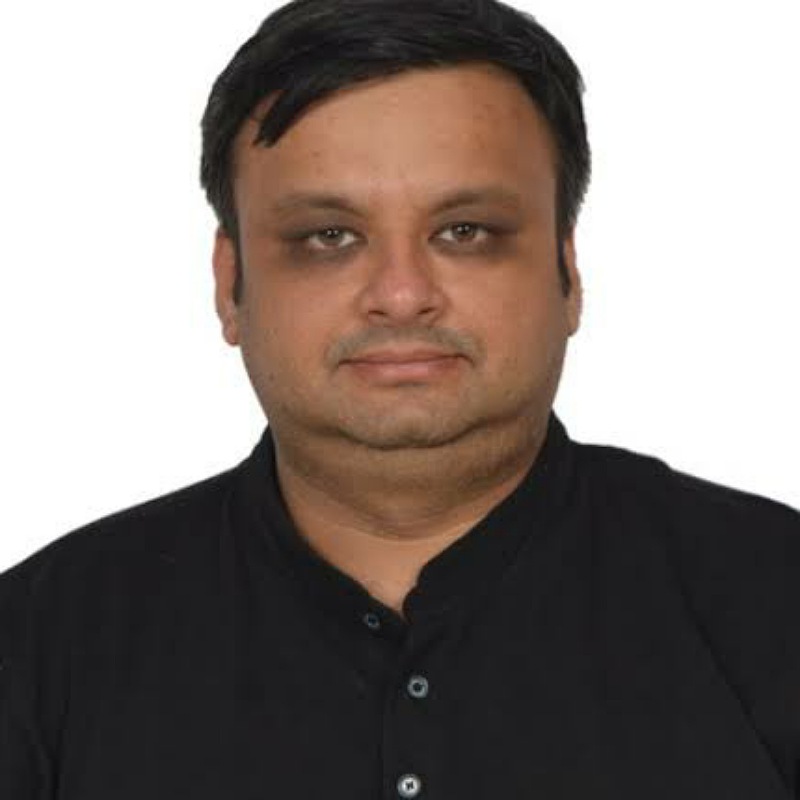
Piyush Thakur steps down as Inshorts’ chief revenue officer
Former vice president and cro says exit marks a new chapter after close to a decade of building revenue and partnerships at Inshorts Group.
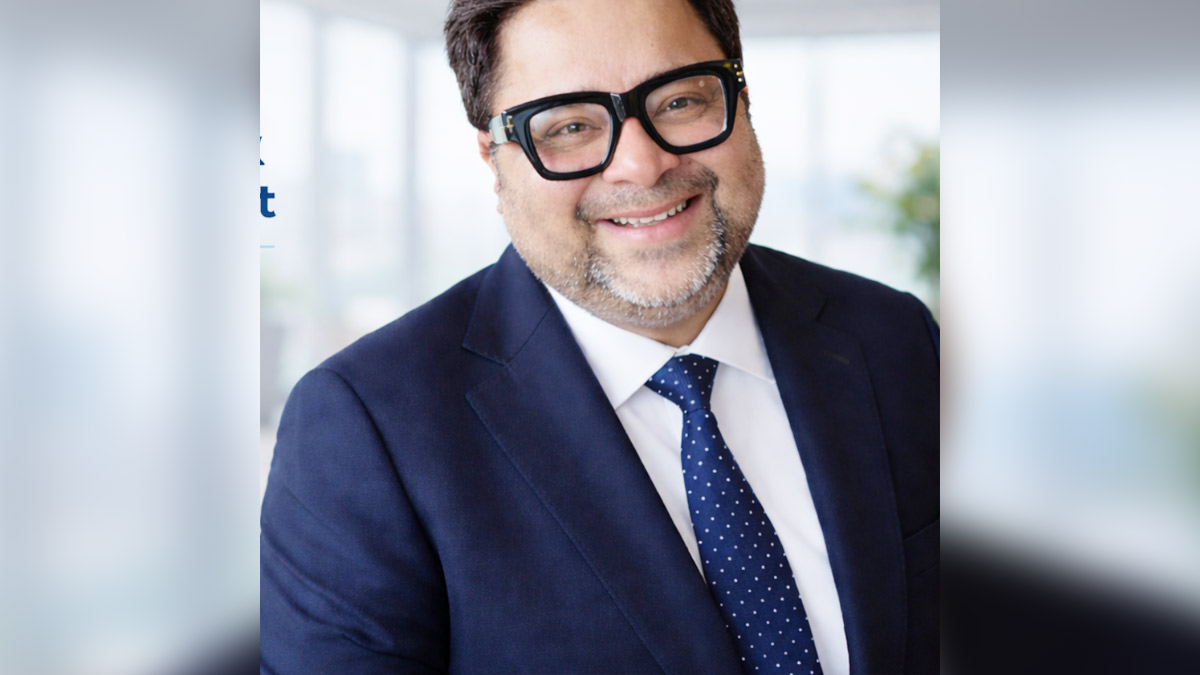
NOIDA: Piyush Thakur has stepped away from Inshorts Group after nearly 10 years with the company, marking the end of a long tenure that culminated in his role as chief revenue officer.
In a farewell note, Thakur said he was “turning a new page” after almost a decade at Inshorts, calling it one of the hardest professional decisions he has made. He added that his exit was not driven by uncertainty about the future, but by reflection on a long association with the company.
Thakur joined Inshorts in October 2016 as vice president and spent around seven years in the role before being elevated to chief revenue officer in April 2024, a position he held until April 2026.
He said his tenure was defined by “thousands of mornings, late nights, product debates and breakthrough moments”, as the company evolved into a large-scale digital news platform used by millions.
In his note, Thakur emphasised that Inshorts’ growth was a collective effort across teams, adding that engineers, designers, sales teams and customer support staff all contributed to building the platform. He said the company’s success was not the result of individuals but of “everyone who stayed, passed through, and left their mark”.
Before Inshorts, Thakur worked across several digital media and business development roles. At ESPN, he served as senior regional manager from October 2015 to October 2016, focusing on growth initiatives, strategic opportunities and video distribution.
At Times Internet, he worked for nearly three years, including as head of business development from April 2015 to September 2015 and chief manager from January 2013 to March 2015. His responsibilities included monetisation of mobile platforms, managing media and developer partnerships, and driving revenue across digital properties such as The Times of India and The Economic Times.
Earlier, he worked at Brandmovers as head of business development from June 2012 to June 2013, handling digital, mobile and social media marketing solutions, client development and strategic consulting. During this period, he also worked on advertising revenue, brand strategy and CRM-based solutions.
At Inshorts, Thakur’s role focused on revenue strategy, mobile and media partnerships, and growth initiatives across platforms. His profile highlights experience in mobile product management, digital business models, partner ecosystems and revenue expansion in high-growth environments.







