Cable TV
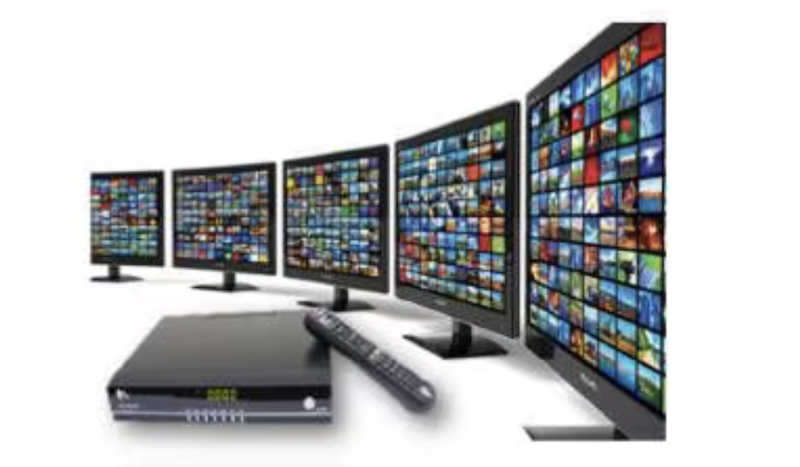
Seven mfrs making set top boxes locally, MSOs adopt iCAS


NEW DELHI: Even as most high courts extended the deadline for phase III of digital addressable system citing shortage of set top boxes, a total of seven local manufacturers are now producing STB.
This figure is almost double compared to the details given during the last meeting of the DAS Task Force on 16 February 2016.
The 15th Task Force meeting on 30 May was informed that seeding of about 41 million (4.1 crore) STBs had been completed.

However according to a representative of Consumer Electronics and Appliances Manufacturers Association (CEAMA), there was a lull in the market and no orders had been received in the recent past.
The representative said seven indigenous STB manufacturers had taken Indian Conditional Access System (iCAS) licenses and five out of them are in the process of implementing iCAS in their STBs.
He said 22 MSOs’ had placed orders for iCAS-based STBs. Twelve MSOs’ had deployed iCAS by 15 February, the 14th meeting had been told.
Meanwhile, the Department of Electronics and Information Technology is planning a meeting with the operators and stakeholders on 24 June 2016.
In the meeting on 16 February 2016 which was the first after the deadline for phase III covering all urban areas, it was claimed that the seeding of STBs by multi system operators increased from 6.91 million to 12.43 million between 31 December 2015 and 15 February 2016.
The Indian Conditional Access System (iCAS) had been developed by DeITY and will be initially available to indigenous STB manufacturers for three years at a nominal fee of $ 0.5 per STB. .


MUMBAI: When margins wobble, liquidity talks and in Q3 FY25-26, cash did most of the talking. Den Networks Limited closed the December quarter with consolidated revenue of Rs.251 crore, marginally higher than the previous quarter but down 4 per cent year-on-year, even as profitability stayed resilient on the back of strong cash reserves and disciplined cost control.
Subscription income softened to Rs.98 crore, slipping 3 per cent sequentially and 14 per cent from last year, while placement and marketing income offered some cheer, rising 15 per cent quarter-on-quarter to Rs.148 crore. Total costs climbed faster than revenue, up 7 per cent QoQ to Rs.238 crore, driven largely by higher content costs and operating expenses. As a result, EBITDA dropped sharply to Rs.13 crore from Rs.19 crore in Q2 and Rs.28 crore a year ago, pulling margins down to 5 per cent.
Yet, the bottom line refused to blink. Profit after tax stood at Rs.40 crore, up 15 per cent sequentially and only marginally lower than last year’s Rs.42 crore. A healthy Rs.57 crore in other income helped cushion operating pressure, keeping profit before tax at Rs.48 crore, broadly stable quarter-on-quarter despite the tougher cost environment.
The real headline-grabber, however, sits on the balance sheet. The company remains debt-free, with cash and cash equivalents swelling to Rs.3,279 crore as of December 31, 2025. Net worth rose to Rs.3,748 crore, while online collections accounted for 97 per cent of total receipts, underscoring strong cash discipline across operations, including subsidiaries.
In short, while Q3 showed signs of operating strain, the financial backbone remains solid. With zero gross debt, steady profits and a formidable cash war chest, the company enters the next quarter with flexibility firmly on its side proving that in uncertain markets, balance sheet strength can be the best growth strategy.






