Hindi
Serene Productions and Dharma Productions team up for next-gen global content


Mumbai – Adar Poonawalla led Serene Productions has announced that it has entered into a binding agreement to invest Rs 1,000 crore into Karan Johar’s Dharma Productions and Dharmatic Entertainment (collectively, “Dharma”). Through this investment, Serene Productions will hold a 50 per cent stake in Dharma, with Karan Johar retaining the remaining 50 per cent ownership.
Johar as the executive chairman will spearhead the company’s creative vision, while Apoorva Mehta, in his role as the chief executive officer, will work with Karan in steering the strategic direction and overseeing the operational excellence of the organization.
India’s entertainment industry has experienced significant expansion, driven by surging digital penetration and a diverse audience seeking high-quality content across multiple platforms, with growing global relevance. This strategic partnership between Serene Productions and Dharma is designed to capitalize on these opportunities by combining Dharma’s rich legacy in storytelling with Adar Poonawalla’s strategic acumen and resources. The collaboration aims to further transform content creation, distribution, and audience engagement by integrating advanced technologies and pioneering production methods.

By leveraging this synergy, Serene Productions and Dharma seek to meet the evolving demands of today’s digitally savvy consumers while pushing the boundaries of creative storytelling. Together, they aspire to shape the future of entertainment for digital-first generations, embracing new platforms and formats to deliver compelling narratives that entertain, inspire, and engage audiences worldwide.
This alliance signifies a transformative step toward elevating the Indian entertainment industry on the global stage, in an era where the relationship between audiences and entertainment platforms is more dynamic and interactive than ever before.
Talking about the partnership, Poonawalla said, “I am delighted to have the opportunity to partner with one of the most iconic production houses in our nation, along with my friend Karan Johar. We hope to build and grow Dharma and scale even greater heights in the years to come.”
Commenting on the partnership, Johar stated, “From its inception, Dharma Productions has been synonymous with heartfelt storytelling that captures the essence of Indian culture. My father dreamed of creating films that would leave a lasting impact, and I’ve dedicated my career to expanding that vision. Today, as we join forces with Adar, a close friend and an exceptional visionary and innovator, we’re poised to elevate Dharma’s legacy to new heights. This partnership represents a perfect blend of our emotional storytelling prowess and forward-thinking business strategies.
It’s about honoring our roots while embracing the future of global entertainment. Dharma’s journey has been remarkable, and this collaboration opens up a world of possibilities for creating content that will resonate across borders and generations.”
Mehta said, “Over the years, I’ve witnessed Dharma’s transformation into a multi-faceted content powerhouse. This partnership with Adar realizes our vision and marks a new era where cinema, streaming, and global content converge. It enables us to explore new avenues in content creation and distribution, elevating the Indian entertainment ecosystem. More importantly, this investment allows us to take bigger creative steps.”






Hindi
MIFF 2026 to return to Mumbai; film entries open till April 12
19th edition to host WAVES Doc Bazaar, spotlighting global documentary talent
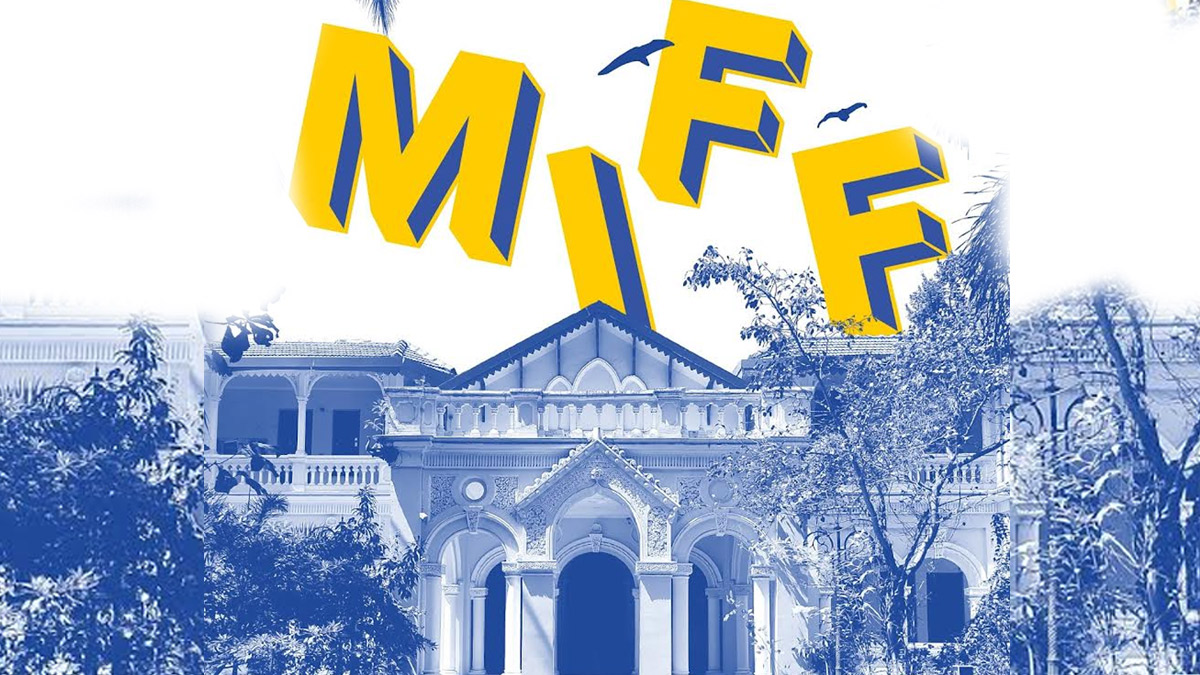
MUMBAI: The 19th edition of the Mumbai International Film Festival 2026 is set to take place from June 15 to 21 at the NFDC Complex, with film submissions currently open and the deadline fast approaching on April 12.
Organised by the National Film Development Corporation under the Ministry of Information and Broadcasting, the biennial festival remains one of South Asia’s most prominent platforms for documentary, short fiction and animation films.
Filmmakers, producers and content creators from across the globe have been invited to submit entries via the Film Freeway platform for the Competition Section. Offline submissions will not be accepted, reinforcing a fully digital entry process.
MIFF 2026 continues to sweeten the deal with a robust awards pool of Rs 55 lakh. The coveted Golden Conch for Best Documentary carries a top prize of Rs 10 lakh, alongside multiple awards across categories, making it one of the most lucrative non-feature film festivals in the region.
A key highlight this year will be the second edition of the WAVES Doc Bazaar, scheduled from June 16 to 18 alongside the festival. Designed as a hub for collaboration, the Doc Bazaar will feature a co-production market, viewing rooms and a work-in-progress lab, bringing together global buyers, sellers and creators under one roof.
Since its inception in 1990, MIFF has built a reputation as a serious showcase for non-feature cinema, drawing participation from filmmakers worldwide. The previous edition saw over 350 films from more than 30 countries, underlining its growing international footprint.
With submissions closing soon and preparations underway, MIFF 2026 is shaping up to be a vibrant meeting point for storytelling, collaboration and cinematic craft, offering filmmakers both a stage and a springboard.







