Applications
Seagate announces new drive for DVRs


MUMBAI: Seagate Technology which offers hard drives and storage solutions has announced the Seagate Video 2.5 HDD, a 2.5-inch drive specifically engineered for use in 24/7 video applications like digital video recorders (DVRs), set-top boxes (STBs), and surveillance applications.
The company says that the product focuses on three areas of importance to manufacturers – high reliability, acoustics, and energy efficiency. Featuring reliability, the drive has an annual failure rate of approximately 0.55, based on current configurations, enabling it to keep product in the field longer while reducing the cost of field deployment and maintaining customer retention. It also boasts 24/7 operation capabilities in extended temperature ranges and enhanced acoustics for near silent operation – features crucial for consumer electronics and video applications.
The Video 2.5 HDD provides home entertainment manufacturers one and two disk, cost-optimized solutions for today‘s high-definition (HD) video recording applications. Featuring capacities up to 500 GB, manufacturers can benefit from its lower-power performance and slim form factor without sacrificing the streaming capabilities or reliability of Seagate‘s 3.5-inch video drive. Its low power consumption, 24×7 operation, and support of up to 12 streams of simultaneous HD content also make it ideal for surveillance DVR applications.

Seagate VP marketing Scott Horn said, "We pioneered the HDD video market more than a decade ago and as such are leveraging our vast knowledge of this technology to bring consumers the most reliable video drive in the world. The CE industry has extremely specific criteria and needs when it comes to storage and the Video 2.5 HDD is built to meet and exceed their rigorous demands."
The living-room environment requires superior acoustic management to limit audible distractions during operation of DVRs and STBs and the Video 2.5 HDD enables designers to build the quietest home entertainment systems possible. Operating below the range of audible sound for the human ear at just 22db, the drive provides optimized acoustics for home entertainment components.
Maintaining Seagate‘s goal of delivering sustainable products, the drive reduces packaging materials by 53 percent and overall freight up to 30 percent, over previous 3.5-inch offerings, by efficiently packing and shipping more units with fewer materials than larger drives. It also contributes to sustainable energy initiatives by achieving a 55 percent improvement in power savings over comparable 3.5-inch offerings, enabling system integrators to meet aggressive new energy requirements. The Seagate Video 2.5 HDD is built without the use of harmful chemicals like the fire retardant bromide and is PVC free.




Applications
With 57 per cent single new users, Ashley Madison rebrands as discreet dating platform
Platform says majority of new members now identify as single
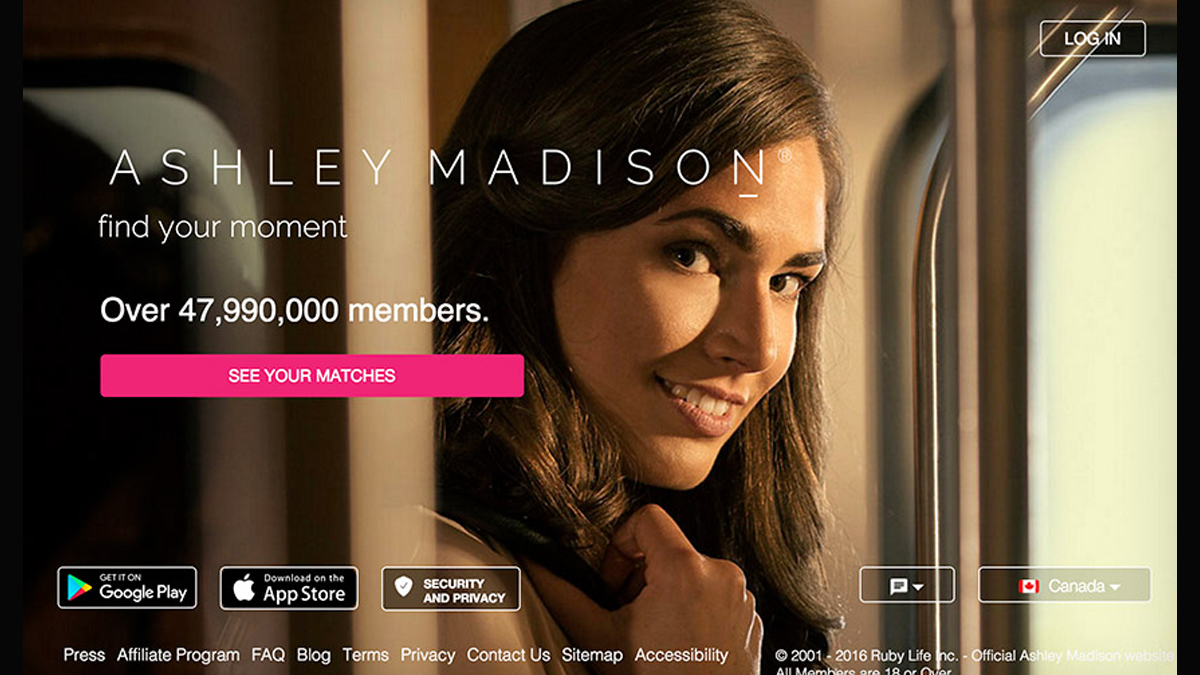
INDIA: Ashley Madison is shedding the “married-dating” label that defined it for two decades, repositioning itself as a platform for discreet dating in what it calls the post-social media age.
The rebrand, unveiled in India on 27 February, 2026, marks a structural shift in business model and identity. Once synonymous with married dating, the company now describes itself as the “premier destination for discreet dating” under a new tagline: Where Desire Meets Discretion.
The pivot is data-driven. Internal figures show that 57 per cent of global sign-ups between 1 January and 31 December, 2025 identified as single: a notable departure from the platform’s married core. The company argues that its community has already evolved beyond its original positioning.
“In an age where our lives have been constantly put on public display, privacy has become the new luxury,” said Ashley Madison chief strategy officer Paul Keable. He framed the platform’s offering as “ethical discretion” for singles, separated, divorced and non-monogamous users seeking private connections.
The shift also taps into wider digital fatigue. A global survey conducted by YouGov for Ashley Madison, covering 13,071 adults across Australia, Brazil, Canada, Germany, India, Italy, Mexico, Spain, Switzerland, the UK and the US, found mounting discomfort with hyper-public online lives.
Among dating app users, 30 per cent cited constant swiping and messaging as a source of fatigue, while 24 per cent pointed to pressure to curate public-facing profiles and early personal disclosure. Some 27 per cent said fears of screenshots or information being shared contributed to exhaustion; an equal share cited unwanted attention.
The retreat from oversharing appears broader. According to the survey, 46 per cent of adults actively try to keep most aspects of their life private online. Only 8 per cent feel comfortable sharing most aspects publicly, while 35 per cent say they are becoming more selective about what they disclose.
Ashley Madison is betting that this cultural recalibration towards controlled visibility can be monetised. By doubling down on privacy infrastructure and reframing itself around discretion rather than infidelity, the company is attempting to convert reputational baggage into a premium proposition.








