iWorld
Scroll no more RunnTV streams ahead in instant entertainment game

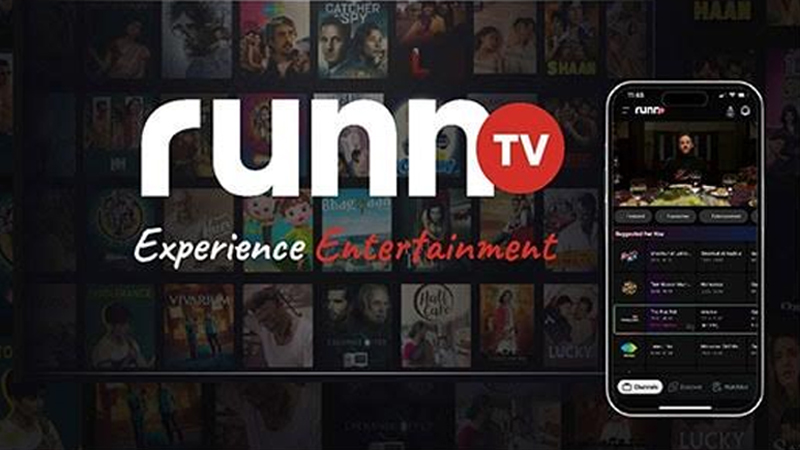
MUMBAI: Stuck in scroll purgatory again? RunnTV says it’s time to run from decision fatigue and straight into effortless binge mode. In a world where OTT fatigue is real and growing, RunnTV is ditching the dilemma with a cheeky new campaign that asks the eternal question: “Kab tak karoge scroll?”
The digital-first push, launched across platforms, taps into a pain point that every streamer knows too well wasting minutes (sometimes hours) scrolling for something to watch, only to give up or rewatch the same old comfort show. The campaign’s ad films nail the mood: a remote-flipping viewer visibly exhausted by choice paralysis, a mobile scroller stuck in a never-ending loop both rescued by one smart switch to RunnTV.
As India’s first independent FAST (Free Ad-supported Streaming TV) platform, RunnTV delivers lean-back, linear entertainment without the hassle of choosing. No subscriptions. No painful decisions. No more doomscrolling. Just tap in and zone out.

The platform features a curated mix of live TV-style channels from movies, music, short films, and kids content to news and infotainment. RunnTV also auto-personalises your viewing experience based on your habits adjusting language, sequencing and channel preferences all while you watch.
“We wanted to show people what they feel daily,” says the RunnTV marketing team. “The average user spends over 20 minutes daily just trying to decide what to watch. RunnTV is the antidote to that fatigue.”
The campaign positions RunnTV not just as another app, but as a refreshing fix in an overcrowded OTT landscape. Whether you’re a casual viewer, serial scroller or a full-blown binge beast the message is clear: skip the search, ride the Runn.
Available across TV and mobile, RunnTV doesn’t require a login but recommends one for a more customised feed. And with its no-subscription, ad-supported model, it’s aiming squarely at OTT-weary users across India who just want to watch something anything now.
So, next time you find yourself endlessly scrolling through thumbnails, remember: entertainment shouldn’t feel like work. With RunnTV, it’s one tap and done.







iWorld
Bill Ackman makes a $64bn bid for Universal Music Group
The hedge fund boss wants to list the world’s biggest record label in New York and thinks he knows exactly what ails it
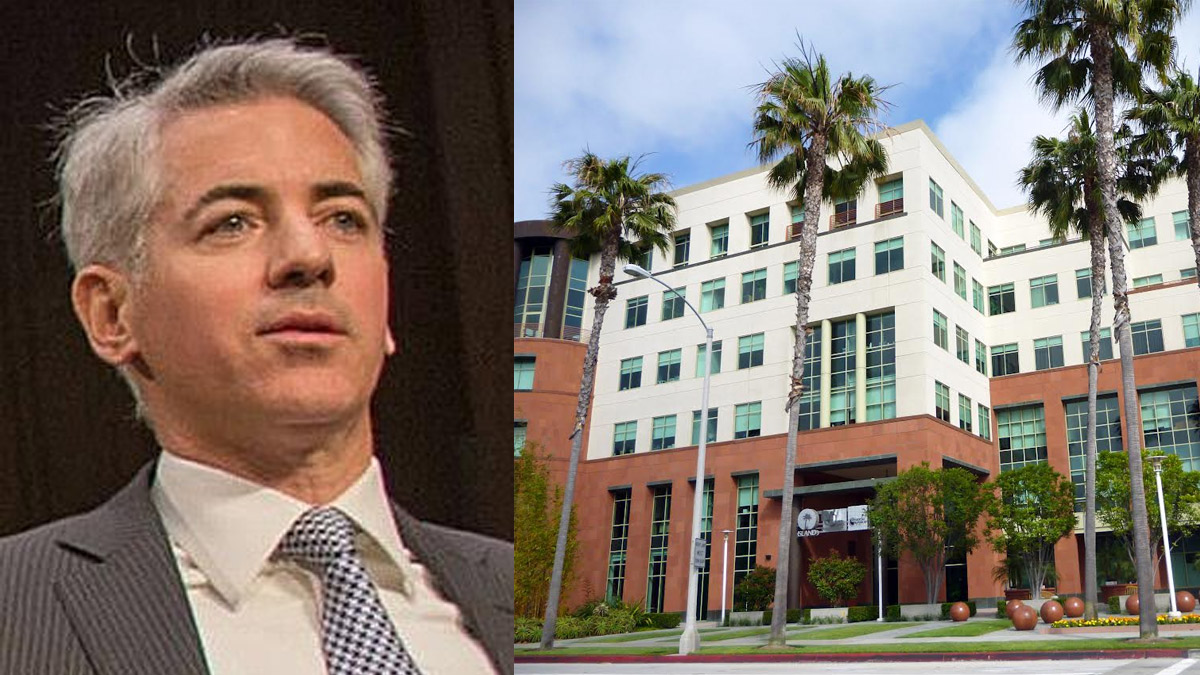
NEW YORK: Bill Ackman wants to buy the world’s biggest record label. Pershing Square Capital Management, the hedge fund run by the billionaire investor, submitted a non-binding proposal on Tuesday to acquire all outstanding shares of Universal Music Group in a business combination transaction worth roughly $64.4 billion (around 55.8 billion euros).
Under the terms of the offer, UMG shareholders would receive 9.4 billion euros in cash, equivalent to 5.05 euros per share, plus 0.77 shares of a newly created company, dubbed New UMG, for each share held. Pershing Square values the total package at 30.40 euros per share, a 78 per cent premium to UMG’s closing price on April 2.
The deal would see UMG merge with Pershing Square SPARC Holdings, with the combined entity incorporating as a Nevada corporation and listing on the New York Stock Exchange. New UMG would publish financial statements under US GAAP and become eligible for S&P 500 index inclusion. Pershing Square says the transaction is expected to close by year-end, with all equity financing backstopped by Ackman’s firm and its affiliates, and all debt financing committed at signing. The transaction would cancel 17 per cent of UMG’s outstanding shares, leaving New UMG with 1.541 billion shares outstanding.
Ackman has a long history with UMG. Pershing Square first bought approximately 10 per cent of the company from Vivendi in the summer of 2021 for around $4 billion, around the time of UMG’s listing on the Euronext Amsterdam exchange. He has since trimmed that position, raising around $1.4 billion from the sale of a 2.7 per cent stake in March 2025, and resigned from UMG’s board in May 2025, citing new executive and board obligations arising from recent investments.
His diagnosis of UMG’s troubles is blunt. The company’s stock has fallen around 33 per cent over the past twelve months on the Euronext Amsterdam exchange, and Ackman lays out six reasons why. These include uncertainty around the Bolloré Group’s 18 per cent stake in the company, the postponement of UMG’s US listing, the underutilisation of UMG’s balance sheet, the absence of a publicly disclosed capital allocation plan and earnings algorithm, a failure to reflect UMG’s 2.7 billion euro stake in Spotify in its valuation, and what Ackman calls suboptimal shareholder investor relations, communications and engagement.
The Bolloré stake has long cast a shadow over the company. Cyrille Bolloré stepped down from UMG’s board in July 2025 as the Bolloré Group battled the French financial markets regulator over its stake in Vivendi, which holds a further capital interest in UMG. UMG had confidentially filed a draft registration statement with the US Securities and Exchange Commission in July 2025 for a proposed secondary listing in America, but put those plans on hold in March 2026, citing market conditions.
Ackman has kind words for UMG’s management, at least. “Since UMG’s listing, Lucian Grainge and the company’s management have done an excellent job nurturing and continuing to build a world-class artist roster and generating strong business performance,” he said. But he made his diagnosis plain: “UMG’s stock price has languished due to a combination of issues that are unrelated to the performance of its music business and importantly, all of them can be addressed with this transaction.”
In other words, Ackman believes UMG is a great business trapped inside a broken structure. If the board agrees, he intends to fix that, loudly and in New York.






