Hindi
Scrabble and Timewaying tie up to push premium LED cinema screens

INDIA: Scrabble Entertainment DMCC, a wholly owned subsidiary of UFO Moviez India, has struck a strategic partnership with Shenzhen Timewaying Technology to accelerate the rollout of premium direct-view LED cinema screens across the Middle East, India and the wider Saarc region.
Under the tie-up, Scrabble will exclusively promote, distribute and deploy Timewaying’s DCI-certified HeyLED screens, which offer high-dynamic-range capability, deeper contrast and sharper detail aimed at preserving creative intent in exhibition and post-production.
Timewaying, which also operates China’s largest Freedeo 3D cinema platform, positions HeyLED as the world’s most comprehensive DCI-approved LED display for theatres. Scrabble, a leading digital-cinema solutions provider in the Middle East and Africa, was the first digital-cinema deployment entity and DCI content-service provider for Indian and Hollywood studios.

“LED screens with HDR are set to be a game changer for cinema viewing, and we expect strong demand from top-end exhibitors,” said Scrabble chief executive Pruthu Shah. “With this tie-up, we are once again bringing cutting-edge technology to the region.”
Timewaying founder and chief executive Andrew Chan, said the partnership would speed up market expansion. “This is a win-win tie-up and will take our DCI LED screens into new territories with significant growth potential,” he said.
Both companies will collaborate on local marketing, demonstrations and outreach, and plan to build commercial environments where exhibitors can test HeyLED’s HDR capabilities first-hand.




Hindi
MIFF 2026 to return to Mumbai; film entries open till April 12
19th edition to host WAVES Doc Bazaar, spotlighting global documentary talent
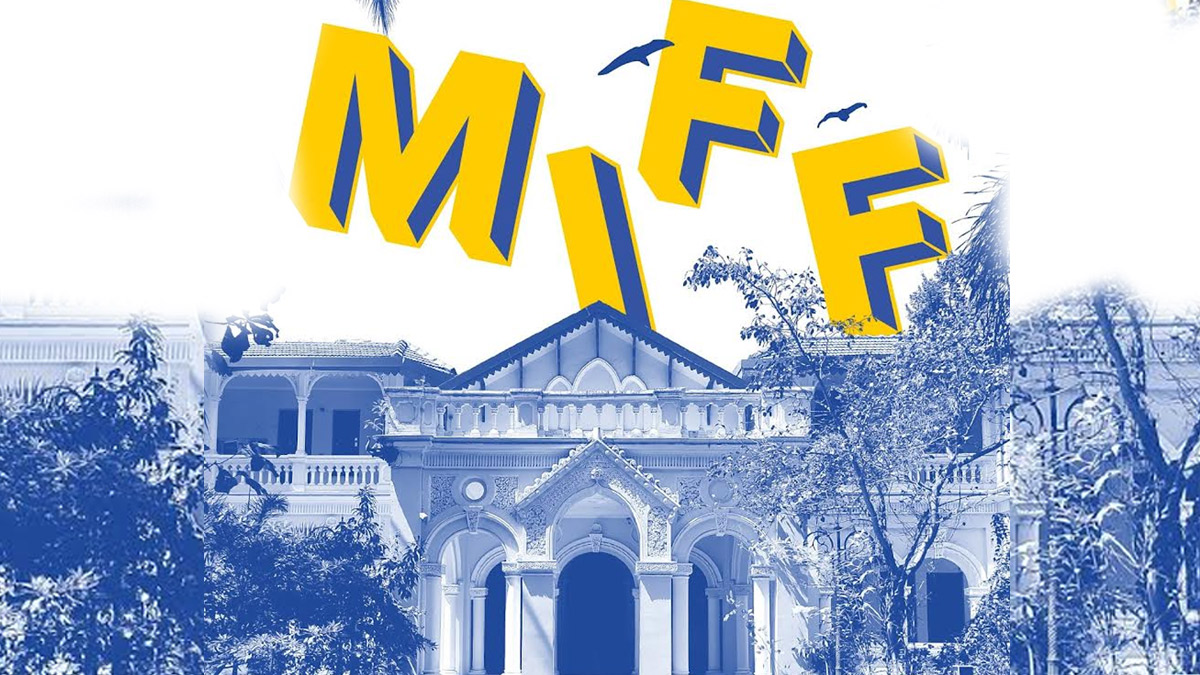
MUMBAI: The 19th edition of the Mumbai International Film Festival 2026 is set to take place from June 15 to 21 at the NFDC Complex, with film submissions currently open and the deadline fast approaching on April 12.
Organised by the National Film Development Corporation under the Ministry of Information and Broadcasting, the biennial festival remains one of South Asia’s most prominent platforms for documentary, short fiction and animation films.
Filmmakers, producers and content creators from across the globe have been invited to submit entries via the Film Freeway platform for the Competition Section. Offline submissions will not be accepted, reinforcing a fully digital entry process.
MIFF 2026 continues to sweeten the deal with a robust awards pool of Rs 55 lakh. The coveted Golden Conch for Best Documentary carries a top prize of Rs 10 lakh, alongside multiple awards across categories, making it one of the most lucrative non-feature film festivals in the region.
A key highlight this year will be the second edition of the WAVES Doc Bazaar, scheduled from June 16 to 18 alongside the festival. Designed as a hub for collaboration, the Doc Bazaar will feature a co-production market, viewing rooms and a work-in-progress lab, bringing together global buyers, sellers and creators under one roof.
Since its inception in 1990, MIFF has built a reputation as a serious showcase for non-feature cinema, drawing participation from filmmakers worldwide. The previous edition saw over 350 films from more than 30 countries, underlining its growing international footprint.
With submissions closing soon and preparations underway, MIFF 2026 is shaping up to be a vibrant meeting point for storytelling, collaboration and cinematic craft, offering filmmakers both a stage and a springboard.







