News Broadcasting
SC shields Arnab Goswami from arrest in breach of privilege case

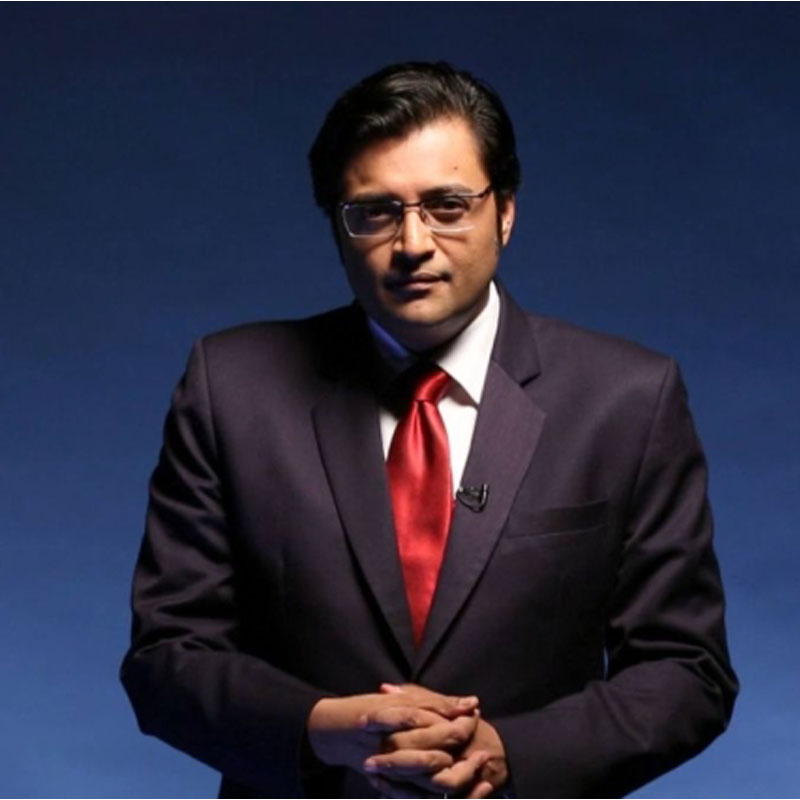
NEW DELHI: In a major relief to Republic TV editor-in-chief Arnab Goswami, the Supreme Court has granted him protection from arrest in Maharashtra assembly’s breach of privilege motion against him for his reportage on actor Sushant Singh Rajput’s death case.
The court highlighted Article 32 stating that the right to approach the court is a fundamental right and no citizen can be deterred from exercising that.
The apex court has also served a show-cause notice to the secretary of the Maharashtra legislative assembly for a letter sent to Goswami cautioning him against disclosing house notice to the apex court. The notice directs the assembly secretary to explain why contempt proceedings should not be initiated against him. The assembly secretary has been given two weeks’ time to send in his reply.

In September, Shiv Sena MLA Pratap Sarnaik had moved the privilege motion against Goswami in the assembly for the journalist’s “derogatory language” and “baseless remarks” against chief minister Uddhav Thackeray and NCP president Sharad Pawar while covering the Sushant Singh Rajput case.
On a related note, Goswami is currently remanded in 14-day judicial custody for his connection to a 2018 case of abetment to suicide of an interior designer. The order in his plea for interim protection is expected to come today.


News Broadcasting
CNN-News18 to host Fury in the Gulf conclave on West Asia crisis
Three-hour summit to unpack geopolitical fallout and impact on India
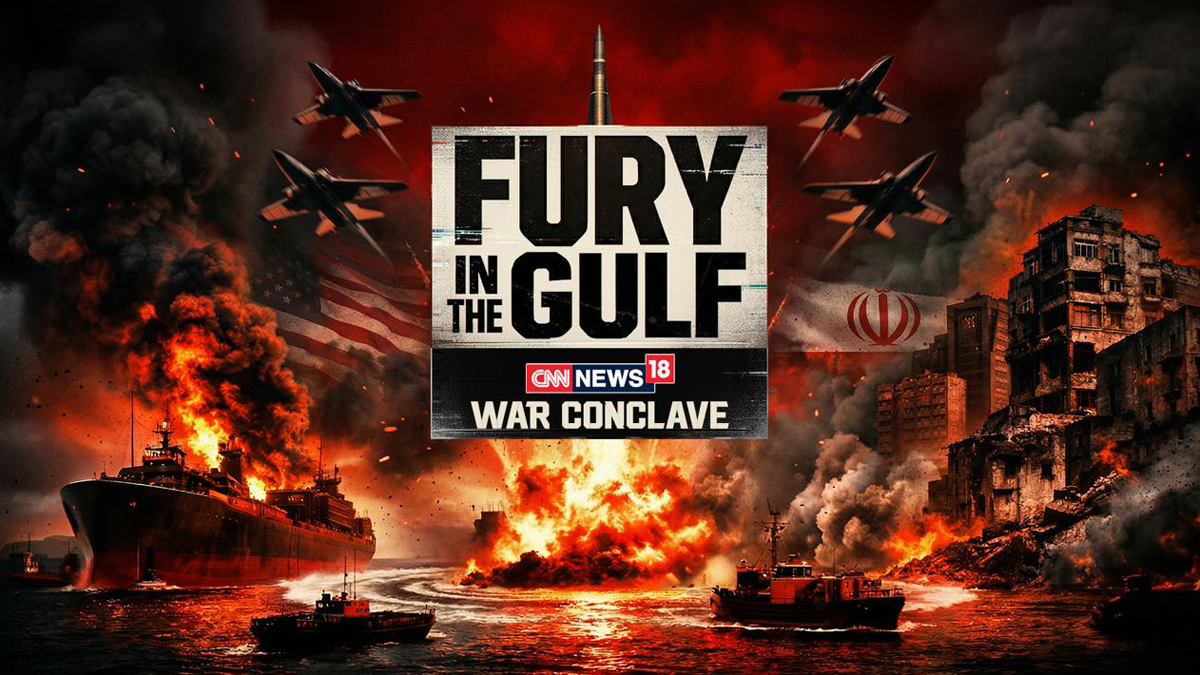
MUMBAI: CNN-News18 is set to host a special three-hour broadcast, Fury in the Gulf – War Conclave, on April 7, aiming to decode the escalating West Asia crisis and its far-reaching implications for India.
Scheduled from 4:00 PM to 7:00 PM, the conclave comes at a time when tensions between Iran and the United States are reshaping global geopolitics and triggering economic uncertainty. With India’s deep energy ties, trade links and large diaspora in the Gulf, the developments carry significant domestic relevance.
Built around the theme ‘Conflict, Consequences, and The Future,’ the programme will feature six curated sessions combining one-on-one interviews and panel discussions. The focus is to cut through the clutter and offer viewers a clearer understanding of the fast-evolving situation.
Key sessions include ‘Diplomacy in Times of War’ featuring Shashi Tharoor, and ‘World After the Iran Conflict’ with voices such as Ram Madhav, Reuven Azar, representatives from the European Union and the Iranian Deputy Envoy. Another session titled ‘Another Dunkirk?’ will bring together K. J. S. Dhillon and Jitin Prasada among others.
CNN-News18 editorial affairs director Rahul Shivshankar said, “In times of war, clarity becomes the most powerful tool. Fury in the Gulf – War Conclave brings together credible voices to address the questions and confusion that arise amid an overwhelming influx of information.”
He added that the initiative is aimed at delivering “facts, perspective, and insight” at a time when misinformation can easily cloud public understanding.
Echoing the sentiment, CNN-News18 CEO– English and business news Smriti Mehra said the conflict marks a defining global moment, with consequences that extend well beyond the region. She noted that the conclave seeks to present the crisis with “depth, nuance and responsibility” so audiences can better grasp its real-world impact.
As geopolitical tensions continue to dominate headlines, the conclave positions itself as an attempt to bring order to the noise, offering viewers a structured, insight-led look at a complex and rapidly shifting global situation.






