iWorld
SC grants interim protection to Amazon Prime Video’s Aparna Purohit


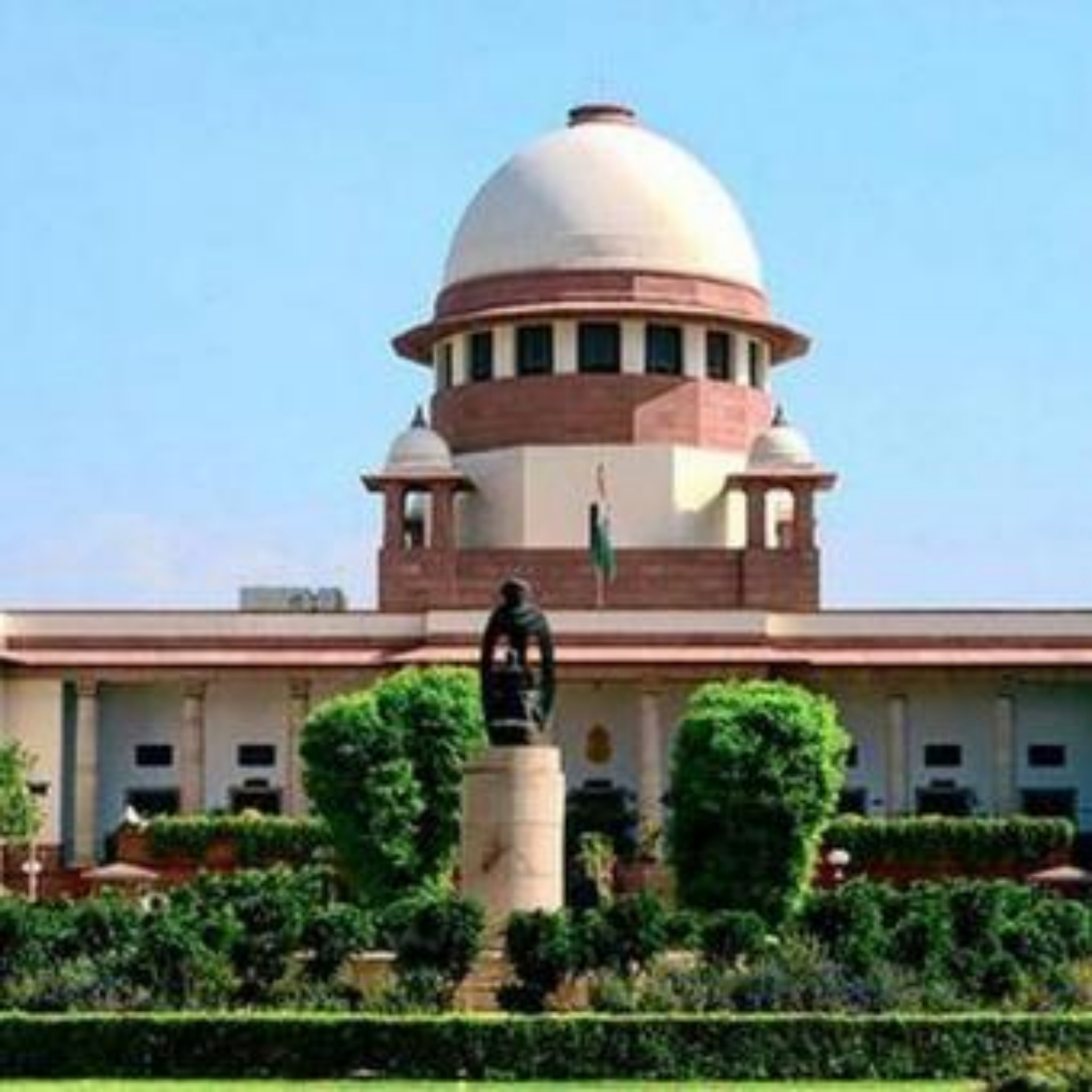
New Delhi: The Supreme Court on Friday granted interim protection from arrest to Amazon Prime Video's India originals head Aparna Purohit in the FIR registered by Uttar Pradesh police in connection with the web series, Tandav.
The court was hearing Purohit’s appeal challenging the Allahabad high court order which had denied her petition for an anticipatory bail in FIR filed in greater Noida, reported Bar & Bench. The protection was granted subject to the condition that she would cooperate with the investigation.
The top court also observed that the latest guidelines issued by the Centre to regulate the content on the over-the-top (OTT) platforms were insufficient. "We went through the technology intermediary guidelines. But there's no teeth. No power of prosecution. These are just guidelines. No mechanism to control it. Without legislation you cannot control it," the bench noted.

Solicitor general Tushar Mehta informed the court that the government will prepare a draft law and submit it before court for consideration.
Tandav, a nine-episode political thriller on Amazon Prime Video, landed in controversy after some Hindu groups accused the makers of hurting religious sentiments through certain scenes which allegedly mocked Hindu deity Shiva. This led to registering of FIRs in several cities, barely days after it was released on the OTT platform on 15 January. Amidst the furore, director Ali Abbas Zafar has already issued an unconditional apology on social media stating that the makers have utmost respect for the sentiments of the people of our country.
Amazon Prime Video too, on multiple occasions, has apologised to viewers whose sentiments were hurt by certain scenes in the show. Additionally, the objectionable scenes were either removed or edited, the company stated. “Amazon Prime Video again deeply regrets that viewers considered certain scenes to be objectionable in the recently launched fictional series Tandav. This was never our intention, and the scenes that were objected to were removed or edited when they were brought to our attention. We respect our viewers’ diverse beliefs and apologised unconditionally to anyone who felt hurt by these scenes,” the streamer said in a statement.



iWorld
Telcos push for unified rules as spam shifts to OTT platforms
Over 80 per cent fraud moves online, operators seek common framework.

MUMBAI: The spam may have left your phone network but it hasn’t left you alone. India’s telecom operators are once again dialling up the pressure for a unified regulatory framework, warning that fraud is rapidly migrating to internet-based platforms where oversight remains far looser. According to industry communication, a leading operator has written to multiple arms of the government including the Department of Telecommunications, the Ministry of Electronics and Information Technology and the Ministry of Finance arguing that tighter controls on traditional telecom networks are inadvertently pushing bad actors towards over-the-top (OTT) communication platforms.
The concern is not new, but the framing has sharpened. What was once an industry grievance is now being positioned as a consumer protection issue. Operators say that tackling spam in silos no longer works, as fraudsters seamlessly shift across platforms, exploiting regulatory gaps. The result: a moving target that traditional safeguards struggle to contain.
Executives point to a clear shift in fraud patterns. OTT platforms are increasingly being used for phishing links, impersonation scams and bulk unsolicited messaging, with industry estimates suggesting that over 80 per cent of spam activity has now migrated online. In this environment, the lines between telecom networks, messaging apps and financial fraud are blurring fast.
At the heart of the industry’s demand is a call for a technology-neutral regulatory framework, one that applies consistently across telecom and internet-based communication services. Operators argue that the absence of uniform safeguards, such as sender verification systems, robust spam filters and clearly defined accountability mechanisms, has created enforcement blind spots that fraudsters are quick to exploit.
The proposal is straightforward but far-reaching. Telcos are pushing for baseline anti-fraud measures across all communication platforms, alongside faster response systems and deeper coordination between ministries. Given the interconnected nature of telecom networks, digital platforms and financial systems, they argue that fragmented oversight only weakens the overall defence.
The broader issue is regulatory arbitrage, the ability of bad actors to hop between platforms based on which is least regulated at any given time. Without harmonised rules, operators say, efforts to curb fraud risk becoming a game of whack-a-mole.
As digital communication continues to expand, the debate is shifting from who regulates what to how consistently it is regulated. For now, telecom operators are making their case clear: in a world where spam travels freely, regulation cannot afford to stay fragmented.