Gaming
Sarc Global teams up with Nodwin Gaming

MUMBAI: Level up and play big! India’s esports industry just got a power boost. Sarc Global, a strategic advisory and consulting firm, has joined forces with Nodwin Gaming, south Asia’s leading esports company, to turbocharge the country’s competitive gaming scene. The alliance is designed to push esports into the mainstream, with plans ranging from promoting tournaments and unlocking sponsorships to driving esports-friendly policies with government support.
The move dovetails with prime minister Narendra Modi’s Viksit Bharat vision, giving esports a policy tailwind as states like Maharashtra, Bihar and Rajasthan draft pro-gaming frameworks. “This partnership is an important step towards unlocking the true potential of esports in India,” said Nodwin Gaming CEO Gautam Singh Virk. “We’re bridging the world of competitive gaming with the business and policy frameworks that will allow it to thrive.”
Sarc Global will bring its expertise in investment facilitation and cross-border partnerships, while Nodwin leverages its deep roots in esports, youth culture and intellectual properties. Together, the duo aims to create a future-ready ecosystem that blends entertainment, regulation and opportunity.

The timing couldn’t be sharper. The Online gaming act, 2025, now offers regulatory clarity, incentives for infrastructure and clear safeguards for young audiences. A recent FICCI-EY report notes that brand participation in esports will rise from 68 in 2024 to 75 in 2025, fuelled by bigger tournaments and growing youth engagement.
As sponsorships, prize pools and large-scale youth campaigns gather momentum, the Sarc Global–Nodwin partnership is set to redefine India’s role in global esports. From boardrooms to battle arenas, the game has only just begun.





Gaming
Konami concludes successful eFootball India campaign
Campaign featuring Rinku Singh, Varun Chakravarthy and other stars boosts engagement ahead of FIFA World Cup 2026.
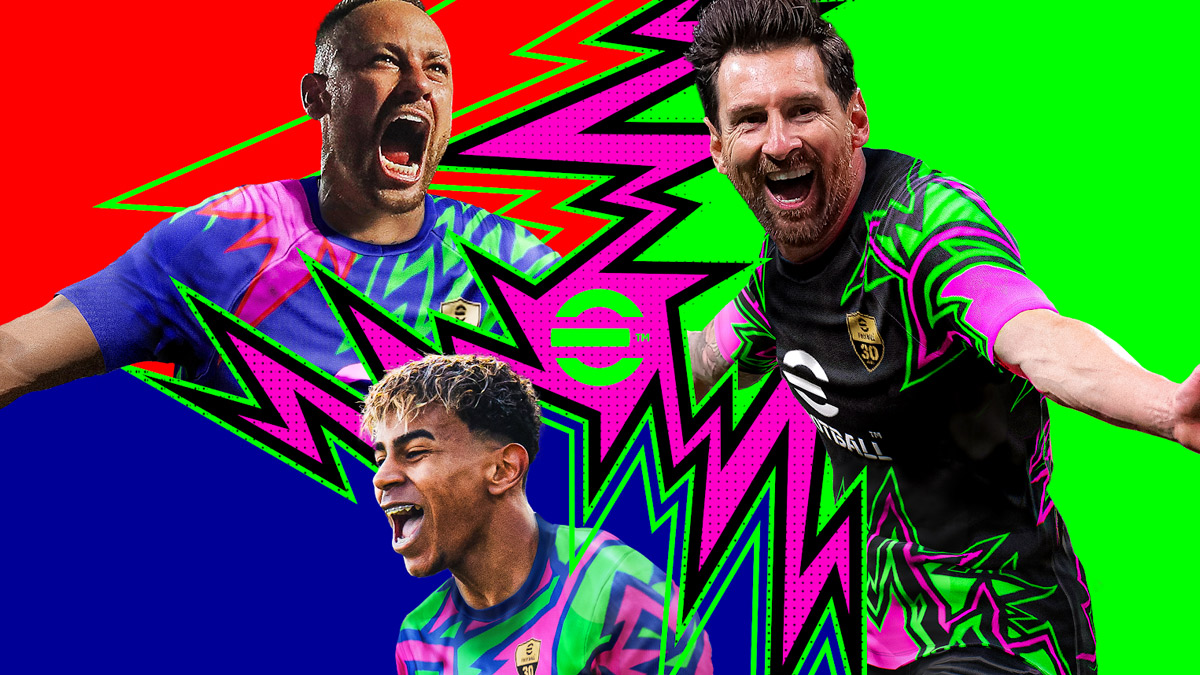
MUMBAI: When cricket meets football in the virtual world, even the biggest fans can’t help but score and Konami’s latest eFootball campaign in India has clearly hit the back of the net. Konami Digital Entertainment has successfully wrapped up its India campaign for eFootball, which brought together cricketers Rinku Singh and Varun Chakravarthy, actors Naslen Gafoor and Chandu Salim Kumar, and footballers Sahal Abdul Samad and Shubhasish Bose. The multi-star campaign generated strong excitement across gaming, football, and creator communities through social content, fan participation, and in-game engagement.
Building on the initial launch that featured a limited-time Lionel Messi card, the campaign united fan communities, lifestyle creators, football creators, and competitive eFootball influencers. It significantly expanded the game’s visibility and deepened engagement with fans across the country.
The campaign also saw thousands of entries submitted as part of its social media engagement challenge, reflecting high levels of community enthusiasm and active creator involvement.
Looking ahead, Konami plans to build on this momentum with more eFootball experiences for Indian fans as the FIFA World Cup 2026 approaches. With global attention on the tournament set to rise, India will remain a key market for deepening community engagement and bringing fans closer to the action.
In a country that lives and breathes sport, Konami has shown that mixing real-world stars with virtual thrills is a winning formula leaving fans eagerly waiting for the next goal.






