iWorld
SAB to extend its wings into digital; to produce an array of shows


MUMBAI: Known to be one of the pillars of Indian media, the Sri Adhikari Brothers (SAB) group founded by Gautam and Markand Adhikari, has plans to enter the digital space with a new initiative. The group will create original comedy content in Hindi catering to the digital masses. The various shows will be launched under Happii-Fi and will roll-out by June.
Through this initiative, the company plans to have strategic tie-ups with various OTT platforms, OEM’s and telecos. “Happii-fi will create comedy content in Hindi for the masses unlike the rest who create content to match with the English elite sensibilities. There are several hundred million online active users who have come up, but there is no platform that completely caters to them. We have already started the productions”, informs Sab Group chief executive officer Manav Dhanda.
As there are different output commitments for various platforms, the group has not decided on the specific number of videos that it intends to produce. The branded content will derive its revenue from the many advertisers on board, although the IP rights will remain with SAB Group.

The platform will only stress on Hindi language and is primarily focused on HSM markets which consume 40 per cent of all online content.
“There are too many platforms which are not required. A person can only hold access to 3 or 4 platforms on a smart-phone. Creating one more would not solve anything. Hence, we decided on producing content which the audience can relate to”, adds Dhanda.
The group has already produced a digital comedy show titled Gharbar which features Shakti Kapoor, Neelu Kohli, Rishab Chadda, Rakesh Shrivastav and Vaishali Thakkar. The show has been conceptualized by Dhanda and is directed by Sagar Bellary of the Bheja fry fame. It depicts a twisted take on the modern Indian family and their adventures when they decide to bring in a bar into their home. The series features Shakti Kapoor as Sharmaji the most seedha (staright forward) man ever.
Promising a very unique doze of humor like never before, the series portrays BAR as a lead protagonist.
Sri Adhikari Brothers Television Network Ltd. (SABTNL) has been producing multi-lingual, multi-genre content and already has an established regional presence in various Indian languages including Marathi, Gujarati, Tamil, Telugu and Kannada amongst others.
The group not only has a fair amount of experience in the production of content, but also in the broadcasting sector by creating a light humour centric television brand, SAB TV. With many firsts in its hat, it will be interesting to see how far this initiative takes the SAB group.





Gaming
Nodwin Gaming partners with Runestone for esports data and integrity solutions
South Asian esports leader joins forces with Czech tech firm to enhance tournament operations.
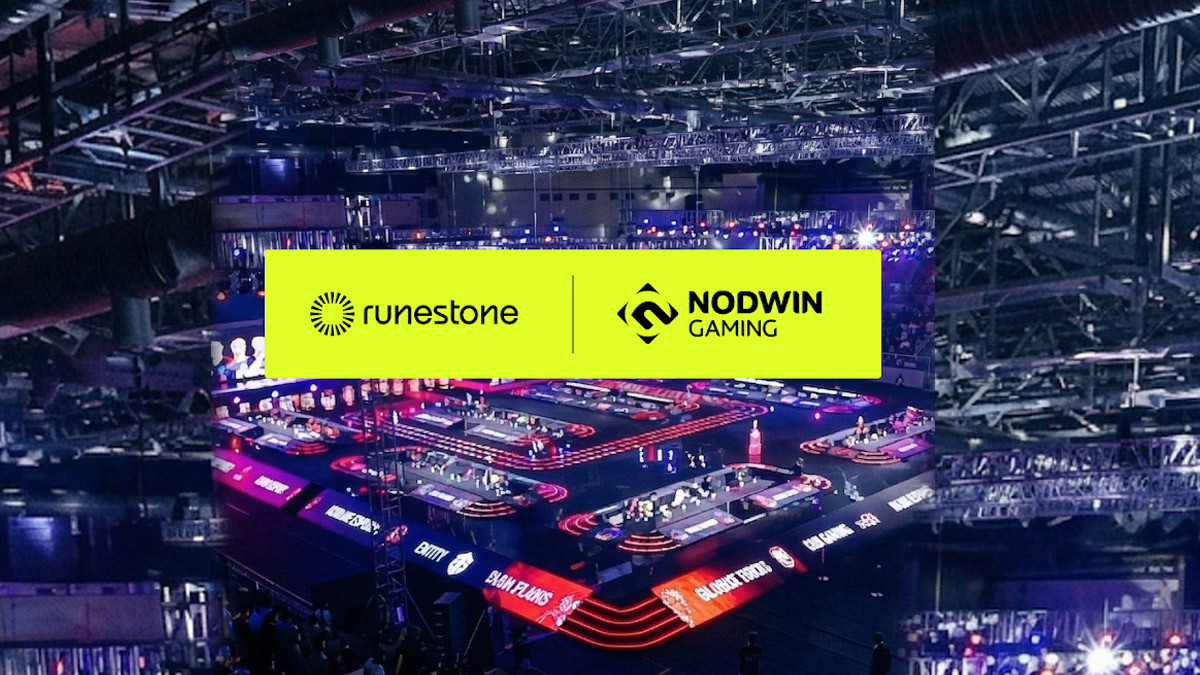
MUMBAI: Nodwin Gaming has just levelled up its game by bringing in a specialist to keep the scoreboard honest and the fans fully engaged. The leading South Asian esports and gaming company has announced a strategic partnership with Runestone, a Prague-headquartered esports technology firm specialising in real-time data and engagement solutions for tournament organisers and publishers.
The collaboration aims to strengthen competitive integrity, improve operational oversight, and deliver more interactive viewing experiences across Nodwin’s properties. It will initially focus on the Nodwin Clutch Series for Counter-Strike 2, a Tier 2 tournament that provides emerging teams with consistent competitive opportunities and helps build the talent pipeline.
The latest edition of the series recently concluded with Big defeating ECSTATIC 2–1 in the grand final of the $50,000 online event.
Nodwin Gaming chief business officer at MENA and global head of data monetization Teemu Koski said, “Integrity and transparency are fundamental to sustainable esports ecosystems, especially in Tier 2 competition where the next generation of talent emerges. Runestone’s expertise complements our experience in building scalable esports IPs.”
Runestone head of partnerships Michael Schwartz added, “Nodwin Gaming has built one of the most dynamic esports ecosystems across emerging markets. We’re thrilled to collaborate on supporting tournaments with greater transparency, deeper fan interaction, and scalable tools.”
Both companies are exploring opportunities to extend the partnership across additional titles, including mobile-first competitive ecosystems, and to develop new products for publishers, tournament operators, and event promoters.
In the rapidly growing world of esports, where fair play and fan excitement are equally crucial, Nodwin Gaming and Runestone are teaming up to ensure every match is not only competitive but also transparent and engaging. This alliance could well become a game-changer for Tier 2 tournaments across South Asia and beyond.







