Gaming
Saatchi & Saatchi India turns gamers into drivers with Renault Kiger challenge

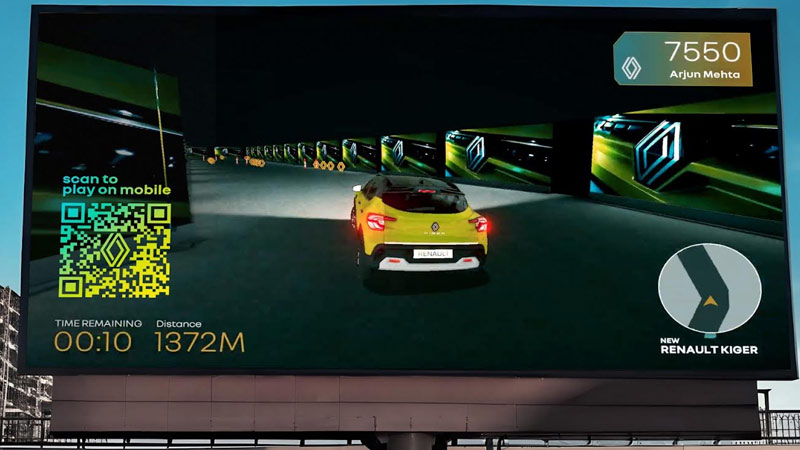
MUMBAI: Saatchi & Saatchi India has given car launches a fresh spin with a gamified on-ground activation for the all-new Renault Kiger, designed to bring the brand’s “Rethink Performance, Rethink Kiger” positioning to life. The campaign turned bystanders into players, transforming a digital billboard into a live gaming experience that showcased the Kiger’s speed, agility, and responsiveness.
Conceptualised by Saatchi & Saatchi India and executed by Digitas India, the activation ran from 23rd to 29th September at Dlf Cyberhub, Gurugram. Participants simply scanned a qr code to sync their smartphones as controllers and navigated a fast-paced, one-minute virtual course, complete with sharp turns and obstacles that mirrored the Kiger’s dynamic capabilities.
To fuel the buzz, RJ Naved joined the challenge, inviting fans to beat his high score, a move that lit up social media. The activation trended as the 4th most talked-about topic on X, generated over 500,000 views, and drove strong engagement through influencer collaborations.

“With the new Kiger, we wanted to shift the conversation from design to performance,” said Saatchi & Saatchi India chief creative officer Kartik Smetacek. “The playable billboard combined the reach of outdoor with the interactivity of gaming, an eye-catching way to make people experience performance rather than just hear about it.”
Renault India VP – sales & marketing Francisco Hidalgo Marques added, “Innovation for Renault isn’t just in our cars, but in how we connect with people. Under the ‘Rethink’ umbrella, this activation turned a product showcase into an immersive gaming experience that redefined how consumers engage with the brand.”
Following its on-ground success, the Kiger Challenge hit the digital racetrack, rolling out as playable ads online, allowing users to test their reflexes and experience the car’s performance anywhere, anytime.






Gaming
Konami concludes successful eFootball India campaign
Campaign featuring Rinku Singh, Varun Chakravarthy and other stars boosts engagement ahead of FIFA World Cup 2026.
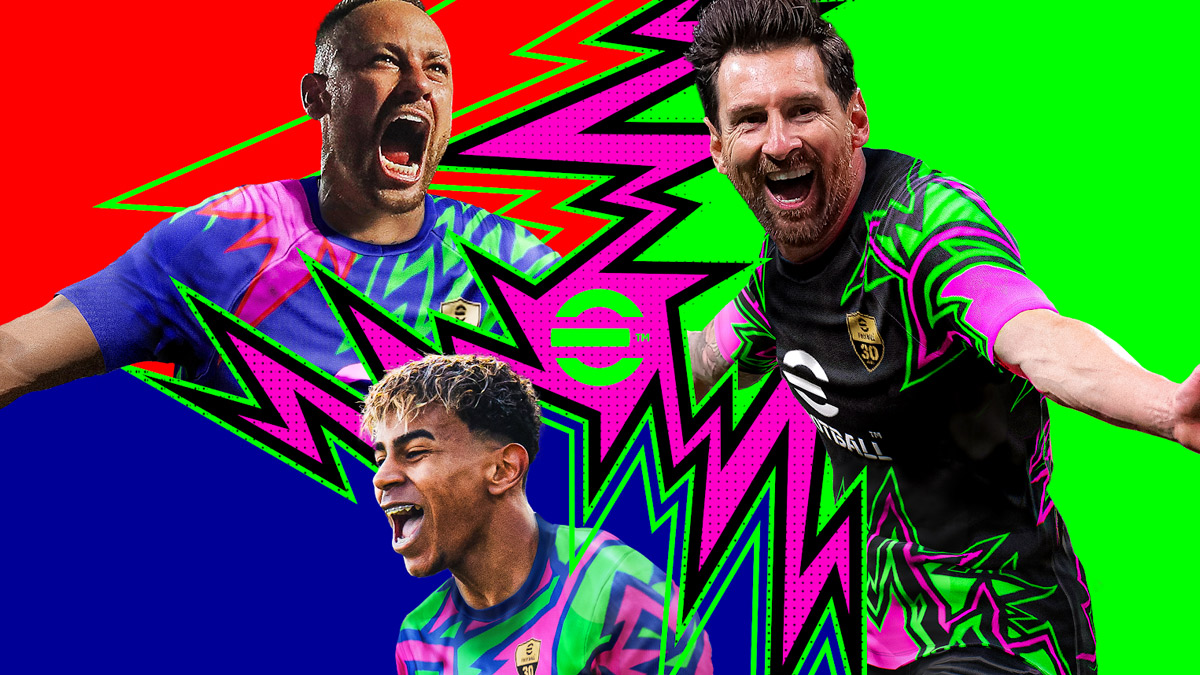
MUMBAI: When cricket meets football in the virtual world, even the biggest fans can’t help but score and Konami’s latest eFootball campaign in India has clearly hit the back of the net. Konami Digital Entertainment has successfully wrapped up its India campaign for eFootball, which brought together cricketers Rinku Singh and Varun Chakravarthy, actors Naslen Gafoor and Chandu Salim Kumar, and footballers Sahal Abdul Samad and Shubhasish Bose. The multi-star campaign generated strong excitement across gaming, football, and creator communities through social content, fan participation, and in-game engagement.
Building on the initial launch that featured a limited-time Lionel Messi card, the campaign united fan communities, lifestyle creators, football creators, and competitive eFootball influencers. It significantly expanded the game’s visibility and deepened engagement with fans across the country.
The campaign also saw thousands of entries submitted as part of its social media engagement challenge, reflecting high levels of community enthusiasm and active creator involvement.
Looking ahead, Konami plans to build on this momentum with more eFootball experiences for Indian fans as the FIFA World Cup 2026 approaches. With global attention on the tournament set to rise, India will remain a key market for deepening community engagement and bringing fans closer to the action.
In a country that lives and breathes sport, Konami has shown that mixing real-world stars with virtual thrills is a winning formula leaving fans eagerly waiting for the next goal.






