iWorld
Role of social media in shaping the buying behavior of Gen X and Gen Z


Mumbai: In the fast-paced world of today, social media has become an integral part of our daily lives, influencing various aspects, including how we shop. Two generations, in particular, have been significantly impacted by this digital revolution – Generation X (born between 1965 and 1980) and Generation Z (born between 1997 and 2012). In this essay, we’ll explore the role of social media in shaping the buying behavior of these two distinct generations and understand how platforms like Facebook, Instagram, and Snapchat have transformed the shopping experience.
Understanding social media’s influence:
Social media platforms serve as virtual gathering spaces where individuals from different corners of the world connect, share, and engage. For Gen X, who grew up in a world before the digital explosion, the impact of social media is more nuanced compared to the digital-native Gen Z. However, both generations have embraced these platforms, and their shopping behaviors have evolved accordingly.

Discovery and awareness:
Social media serves as a vast marketplace where products and brands are showcased. Gen X and Gen Z often discover new products through sponsored ads, influencer endorsements, and shared posts. The constant stream of content on platforms like Instagram and Pinterest introduces them to a plethora of choices, influencing their awareness and preferences.
Influencer culture:
Influencers, individuals who have gained credibility in specific niches, play a crucial role in shaping purchasing decisions. Gen Z, in particular, gravitates towards influencers who resonate with their values and lifestyle. Authenticity and relatability become key factors in swaying opinions and driving product recommendations.
User reviews and recommendations:
Both generations rely on social media for product reviews and recommendations. Whether through Facebook groups, Instagram comments, or dedicated review platforms, the experiences shared by others significantly impact the decision-making process. Gen Z, being digital natives, tends to trust online reviews and peer opinions more readily.
Visual appeal and aesthetics:
The visual nature of platforms like Instagram and Snapchat has a profound impact on buying behavior. Gen Z, in particular, values aesthetics and experiences, often making purchasing decisions based on how visually appealing a product or brand is portrayed on social media.
Engagement and interaction:
Social media allows brands to engage directly with their audience. Gen X and Gen Z appreciate personalised interactions, such as responding to comments, hosting live sessions, and running polls. This engagement fosters a sense of connection and loyalty, influencing repeat purchases.
FOMO (Fear of Missing Out):
Both generations experience FOMO, and social media amplifies this feeling. Limited-time offers, flash sales, and exclusive deals shared on platforms create a sense of urgency, prompting quick decisions and purchases.
Filter bubbles and echo chambers:
The algorithms used by social media platforms often create filter bubbles, limiting exposure to diverse perspectives. This can result in a narrow view of available products, hindering informed decision-making.
Privacy concerns:
The collection of personal data for targeted advertising raises privacy concerns. Both generations need to be aware of how their data is used and take steps to protect their privacy online.
Impulse buying:
The constant bombardment of advertisements and promotions can lead to impulse buying. It’s crucial for individuals to develop awareness and make conscious decisions rather than succumbing to the pressure of online trends.
Conclusion:
In conclusion, the role of social media in shaping the buying behavior of Gen X and Gen Z is undeniable. These platforms have transformed the way products are discovered, evaluated, and purchased. From influencer culture to user reviews and visual aesthetics, social media plays a multifaceted role in influencing the choices of these two generations. However, it’s essential for individuals to navigate this digital landscape mindfully, considering the potential challenges and making informed decisions that align with their values and preferences. Social media has reshaped the shopping journey, and understanding its impact empowers consumers to make choices that resonate with their unique needs and aspirations.
The author of this article is Digidarts founder & CEO Siddhartha Vanvani.




iWorld
Tech firms tweak office operations amid LPG shortage concerns
Infosys, HCLTech and Cognizant adjust cafeteria services and work policies.
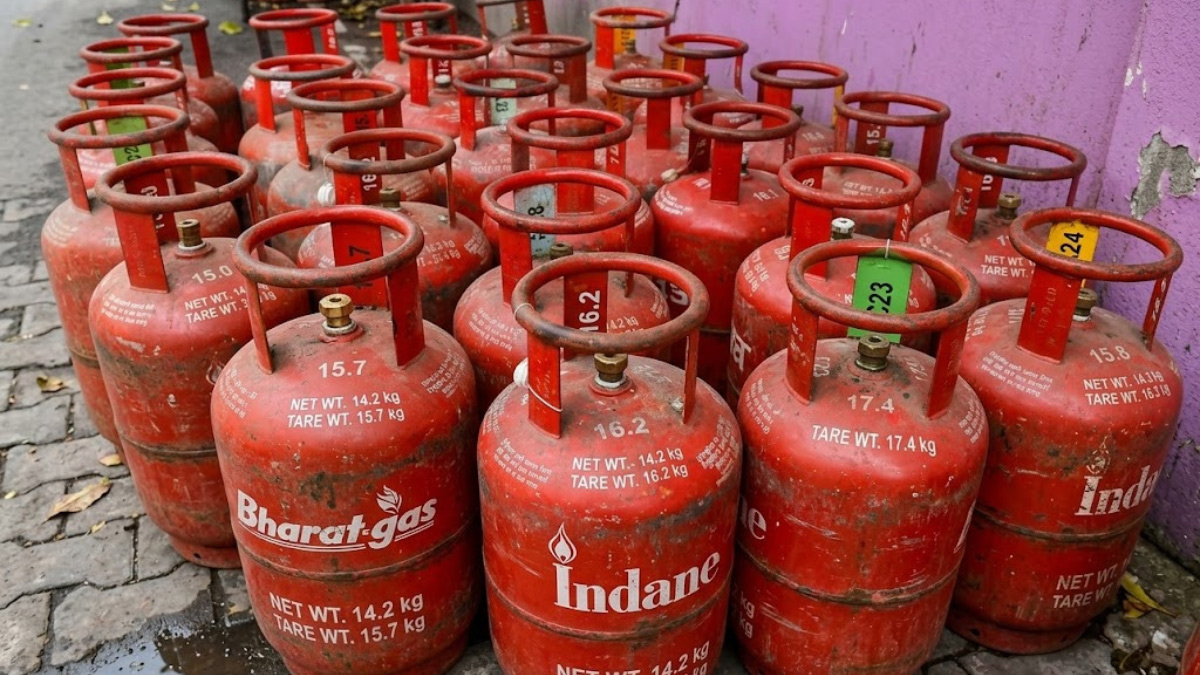
MUMBAI: When geopolitics turns up the heat, even office cafeterias start feeling the burn. Several technology companies in India are adjusting workplace operations and food services as concerns over a nationwide shortage of liquefied petroleum gas (LPG) grow following escalating tensions in West Asia. Major IT firms including Cognizant, Infosys and HCLTech have begun rolling out contingency measures to reduce dependence on office cafeterias that rely heavily on commercial LPG.
The disruption stems from rising geopolitical tensions involving Iran after military action by the United States and Israel reportedly led to the closure of the Strait of Hormuz, a critical global shipping route for oil and gas supplies. The closure has disrupted the movement of LPG and liquefied natural gas across international markets, triggering concerns about supply constraints and price volatility.
According to a report by The Times of India, Cognizant has advised employees to bring their own meals to office where possible to reduce reliance on office cafeterias dependent on LPG based cooking.
The company has reportedly told staff that it is preparing for potential disruptions driven by supply prioritisation, price fluctuations and pressure on vendor networks.
As part of contingency planning, Cognizant is identifying alternative food vendors that do not rely on LPG. These include kitchens using induction based or solar powered cooking systems.
The company is also exploring partnerships with cloud kitchens that operate on electric or solar power to ensure uninterrupted food supply in case conventional cooking gas availability worsens.
Additionally, Cognizant is evaluating the possibility of expanding work from home or hybrid arrangements for non critical roles, partly to reduce commuting exposure if fuel prices rise sharply due to global energy disruptions.
Meanwhile, HCLTech allowed employees at its Chennai office to work from home on March 12 and March 13 after cafeteria vendors were unable to operate because of the LPG shortage.
Several food service vendors at the campus reportedly suspended operations as they struggled to secure cooking gas supplies, prompting the company to permit staff to work remotely for the two days.
Infosys has also issued internal advisories across multiple locations, including its campuses in Bengaluru and Chennai.
The company informed employees in Bengaluru that cafeteria services would continue but with reduced menu options due to concerns around commercial LPG availability.
As part of the temporary adjustments, live food counters have been suspended, and employees have been encouraged to bring home cooked food while the situation evolves.
While LPG shortages in India remain a developing situation, the measures taken by these technology firms highlight how global geopolitical disruptions can ripple through unexpected corners of the economy, even the humble office lunch.
For companies with large campuses and thousands of employees relying on daily cafeteria services, cooking fuel shortages can quickly turn into an operational challenge. Until global supply chains stabilise, many workplaces may find themselves rethinking everything from food sourcing to flexible work policies.