DTH
Revised guidelines bring a note of positivity for DTH sector

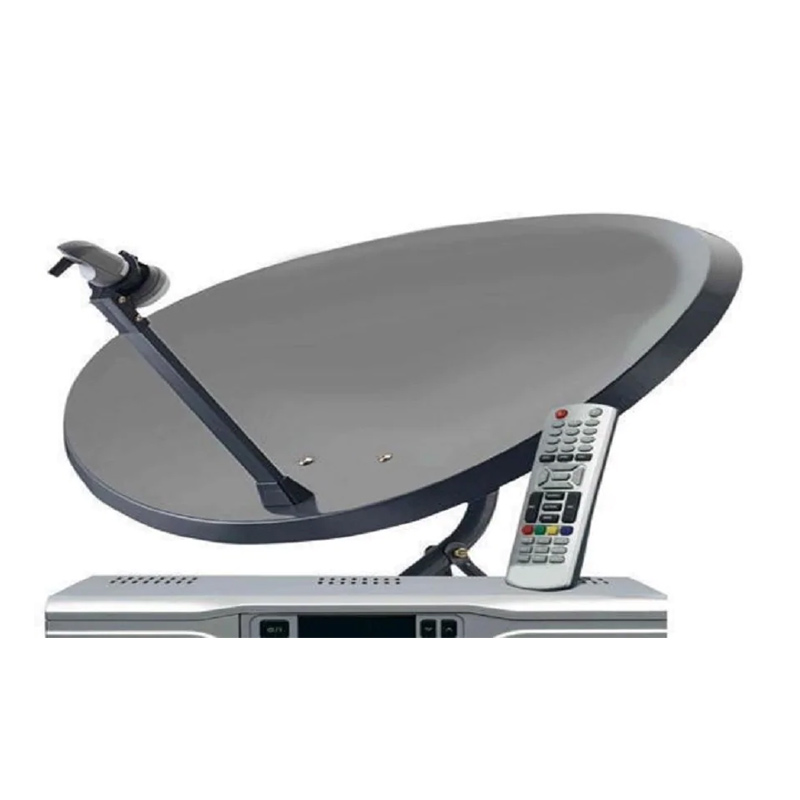
KOLKATA: The government has finally clarified the uncertainties in DTH licensing norms. According to new guidelines, DTH licenses will now be issued for a period of 20 years. Although the latest move may not be game changing for the operators, it has definitely brought a sense of positivity to the sector.
“We are grateful to Shri Javadekar for resolving the long standing impasse on the DTH License policy which will provide certainty to the sector. We look forward to a level playing field via parity of Licence Fee with Cable TV which too is Licensed by MIB and follows the same prices and margins as regulated by TRAI’s NTO,” Tata Sky MD& CEO Harit Nagpal said.
I&B minister Prakash Javadekar stated on Wednesday that changes have been approved for 100 per cent foreign direct investment (FDI) in the DTH sector which was limited to 49 per cent. He also added that the decision was taken earlier by the ministry of commerce and industry but the sector could not avail the benefits due to existing MIB guidelines.

Moreover, DTH license will be issued for 20 years and license fee will be collected quarterly. Further, the period of license may be renewed by 10 years at a time. The cabinet has also approved the sharing of infrastructure between DTH operators. Distributors of TV channels will be permitted to share the common hardware for their subscriber management system (SMS) and conditional access system (CAS) applications. Javadekar said that the decision has been taken to create level playing field.
Another expert from a DTH company who preferred to be anonymous added that the latest decision would streamline license agreements. He added that anybody who would like to invest in the DTH companies would get a sense of certainty with the longer license period which was getting affected with the 10-year license term. A senior industry expert added that the FDI has been allowed because the sector is dying as the companies are turning into loss-making entities, with streaming of video taking off exponentially in India. Says he: "Internationally companies which invested in DTH platforms are today saddled with diminishing returns on their investments. They are looking at buyers – whether Sky in the UK or Direct TV in the US. Here, theIndian government hopes to eject some equity in the DTH sector so as to stimulate investment and hence growth, in the sector "
“Overall it's better for the DTH sector, which plays a big role in digitising India. Giving them a certainty for licensc that it would be there for 20 years, will help them to invest more and grow the market. Also, the saving of two per cent AGR, will help them to improve their profitability,” EY India partner and media & entertainment leader Ashish Pherwani said.
Moreover, license fee has been revised from 10 per cent of GR to 8 per cent of AGR. Elara Capital VP research analyst (media) Karan Taurani added that it is mild positive due to reduction in license revenue. He also added that Dish TV may find its potential buyer post-announcement.
India’s DTH subscriber base grew by 3.2 lakh during the April-June quarter, as per the Indian Telecom Services Performance Indicators April-June 2020 by the Telecom Regulatory Authority of India (TRAI). The sector saw better, albeit marginal growth compared to the January-March quarter. Currently, pay DTH subscriber stands at 70.58 million, compared to 70.26 million in the previous quarter. At the end of 2019, pay DTH subscriber base was 69.98 million.






DTH
DD Free Dish e-auction revenue dips to Rs 642 crore as slot sales fall
Revenue dips as revised norms reshape bidding in 94th round
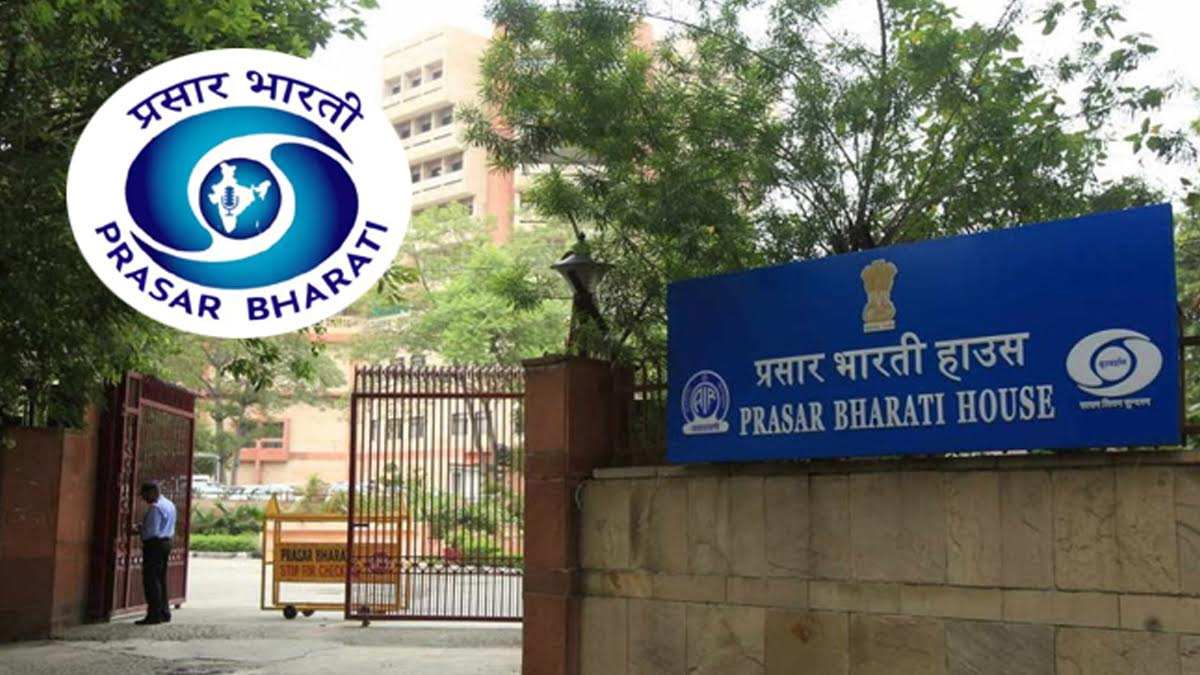
NEW DELHI: Prasar Bharati’s DD Free Dish has closed its 8th annual, and 94th overall, e-auction for MPEG-2 slots with total collections of Rs 642 crore for the period April 1, 2026 to March 31, 2027.
That is lower than last year’s Rs 780 crore haul, with 55 slots sold compared with 61 in FY25–26. The softer topline reflects both a slimmer inventory and a recalibrated auction framework.
This was the first auction conducted after amendments to the e-auction methodology, including tighter eligibility norms and a revised reserve price structure for MPEG-2 slots. The stated aim was greater transparency and more serious participation. The immediate outcome appears to be more measured bidding in certain categories.
Day one set the tone. Eight slots were sold, six in the premium Bucket A+ and two in Bucket A. The strong early action in A+, which typically houses Hindi GECs and movie channels, reaffirmed the enduring appeal of mass Hindi programming on the platform.
Among the broadcasters securing slots in the initial rounds were Zee Entertainment Enterprises, Sony Pictures Networks India, Viacom18’s Colors network, Sun Network and Shemaroo Entertainment. Their continued presence signals that, despite the pull of digital platforms, Free Dish remains a strategic must have for legacy networks chasing scale in price sensitive markets.
The final bouquet of 55 channels leans heavily towards Hindi news, movies, devotional fare, Bhojpuri and regional programming.
In Hindi news, familiar heavyweights such as Aaj Tak, ABP News, India TV, News18 India, Republic Bharat and Zee News made the cut. Entertainment and movie offerings include Colors Rishtey, Star Utsav, Dangal TV, Sony Pal, Shemaroo TV, Goldmines, B4U Movies and Zee Biskope. Devotional viewers will find Aastha, Sanskar and Sadhna Gold among the selected channels.
Regional representation includes Sun Marathi, Fakt Marathi, PTC Punjabi and GTC Punjabi.
Equally telling were the absences. Broadcasters such as Big Magic, Filamchi Bhojpuri, India News, Bharat Express, Movieplex Maithili, TV9 Marathi, Shemaroo Marathibana, Zee Chitra Mandir and Satsang did not participate. The pullback is particularly visible across Marathi, Bhojpuri, Maithili and spiritual programming. Industry observers point to the revised reserve prices, tighter eligibility norms and a reassessment of commercial viability as possible factors.
DD Free Dish continues to beam into over 40 million homes, largely in rural and semi urban India. For advertisers and broadcasters alike, it offers efficient access to Bharat markets where pay TV penetration remains uneven and OTT subscriptions are limited.
The moderation in revenue this year may be read as a pause rather than a retreat. Fewer slots, a reworked auction playbook and evolving broadcaster strategies have clearly shaped outcomes. Yet premium Hindi entertainment retains its pull, and the platform’s mass reach remains hard to ignore.
As the FY26–27 line-up settles in, the mix of winners and walkaways will define the private satellite channel landscape on DD Free Dish for the year ahead.








