Gaming
Revenant XSpark levels up esports as Kaashvi Hiranandani joins creator squad

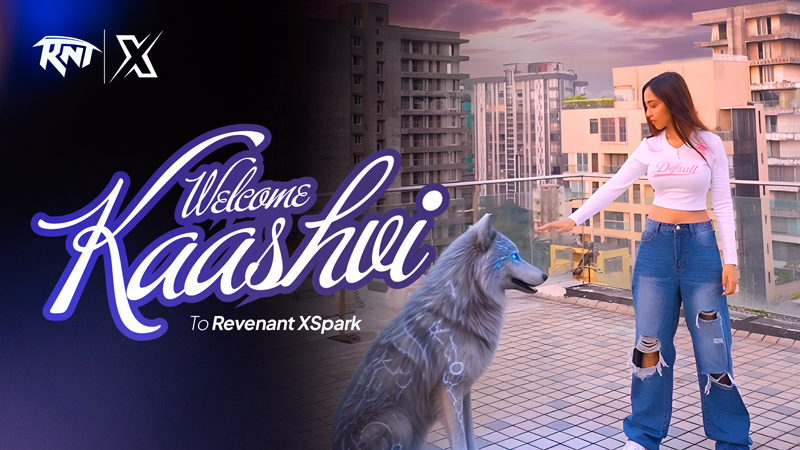
MUMBAI: Level up! India’s esports universe just got a fresh spark as Kaashvi Hiranandani joins Revenant XSpark’s creator roster, bringing her signature energy, authenticity, and creativity to the gaming arena. Known for seamlessly blending competitive gaming, lifestyle content, and relatable vlogging, Kaashvi has become a defining voice in India’s fast-growing digital entertainment landscape.
Kaashvi, already a celebrated figure in the esports community, will be sharing the spotlight with popular creators like Scout, Sensei, and Vanshaj, amplifying Revenant XSpark’s mission to strengthen India’s creator-driven gaming ecosystem. With her dynamic presence and authentic storytelling, she is expected to engage millions of aspiring gamers while reshaping perceptions of women in competitive esports.
Revenant Esports founder Rohit N Jagasi said, “We are thrilled to have Kaashvi on board. Her influence, authenticity, and professionalism make her the perfect addition to our team. Her presence is a milestone in our commitment to diversity and will help define the future of esports in India.”

Kaashvi echoed the excitement, adding, “Joining Revenant XSpark is a dream. They’ve consistently pushed boundaries in the Indian esports ecosystem, and I’m thrilled to represent the women shaping the next era of gaming in the country.”
Her accolades speak volumes: Kaashvi recently won Gaming Personality of the Year (Female) at the India Gaming Awards – Season 4 and has been named fan favourite Lifestyle Gaming Personality at the GEM Awards 2025. She also claimed Streamer of the Year (Female) at the India Gaming Awards, solidifying her role as a cultural force in the country’s creator economy.
Kaashvi’s content resonates with a diverse audience spanning Gen Z and millennials, connecting them through entertainment, inspiration, and engagement. From livestreams packed with competitiveness and creativity to lifestyle and vlogging content, she has cultivated a trusted and admired presence across major social platforms, becoming a key driver of conversations around gaming and youth culture in India.
Revenant XSpark’s latest move not only strengthens its creator ecosystem but also highlights the growing influence of women in esports. With Kaashvi Hiranandani on board, the brand is poised to deliver new levels of excitement, engagement, and innovation, keeping India’s esports community firmly in the spotlight.
This collaboration underlines a larger trend: as esports and digital content continue to converge, creators like Kaashvi are not just participants, they are shaping the future of India’s gaming culture, inspiring new talent, and driving the industry toward uncharted heights.



Gaming
Konami concludes successful eFootball India campaign
Campaign featuring Rinku Singh, Varun Chakravarthy and other stars boosts engagement ahead of FIFA World Cup 2026.
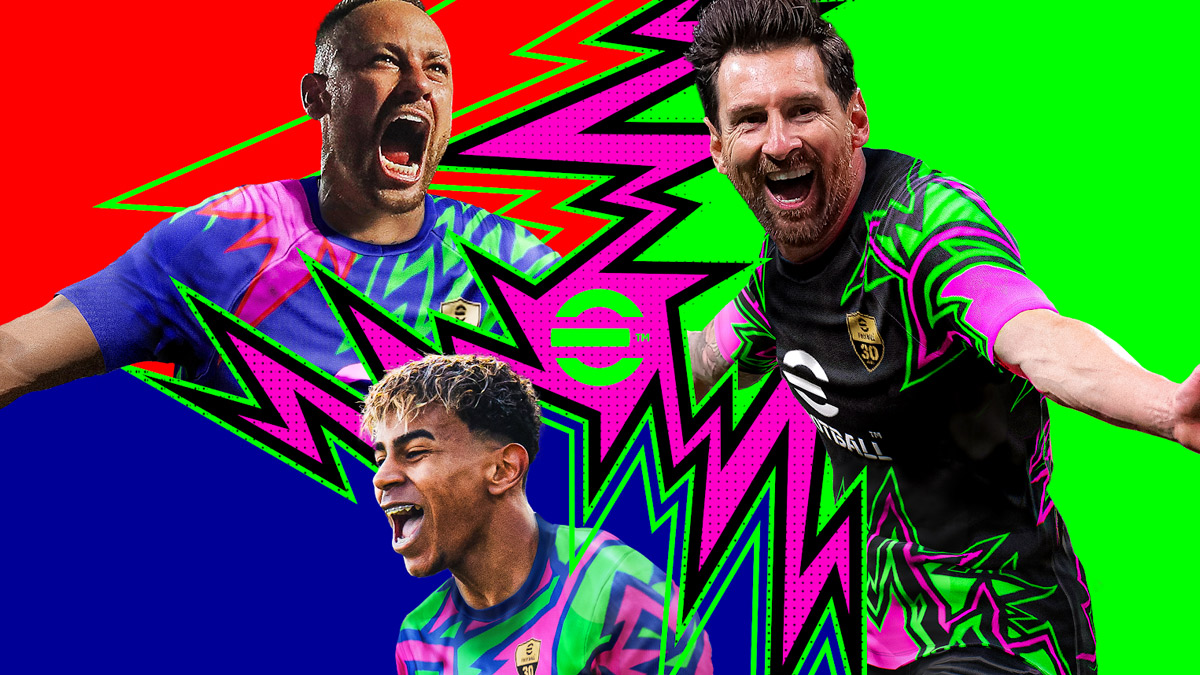
MUMBAI: When cricket meets football in the virtual world, even the biggest fans can’t help but score and Konami’s latest eFootball campaign in India has clearly hit the back of the net. Konami Digital Entertainment has successfully wrapped up its India campaign for eFootball, which brought together cricketers Rinku Singh and Varun Chakravarthy, actors Naslen Gafoor and Chandu Salim Kumar, and footballers Sahal Abdul Samad and Shubhasish Bose. The multi-star campaign generated strong excitement across gaming, football, and creator communities through social content, fan participation, and in-game engagement.
Building on the initial launch that featured a limited-time Lionel Messi card, the campaign united fan communities, lifestyle creators, football creators, and competitive eFootball influencers. It significantly expanded the game’s visibility and deepened engagement with fans across the country.
The campaign also saw thousands of entries submitted as part of its social media engagement challenge, reflecting high levels of community enthusiasm and active creator involvement.
Looking ahead, Konami plans to build on this momentum with more eFootball experiences for Indian fans as the FIFA World Cup 2026 approaches. With global attention on the tournament set to rise, India will remain a key market for deepening community engagement and bringing fans closer to the action.
In a country that lives and breathes sport, Konami has shown that mixing real-world stars with virtual thrills is a winning formula leaving fans eagerly waiting for the next goal.






