News Broadcasting
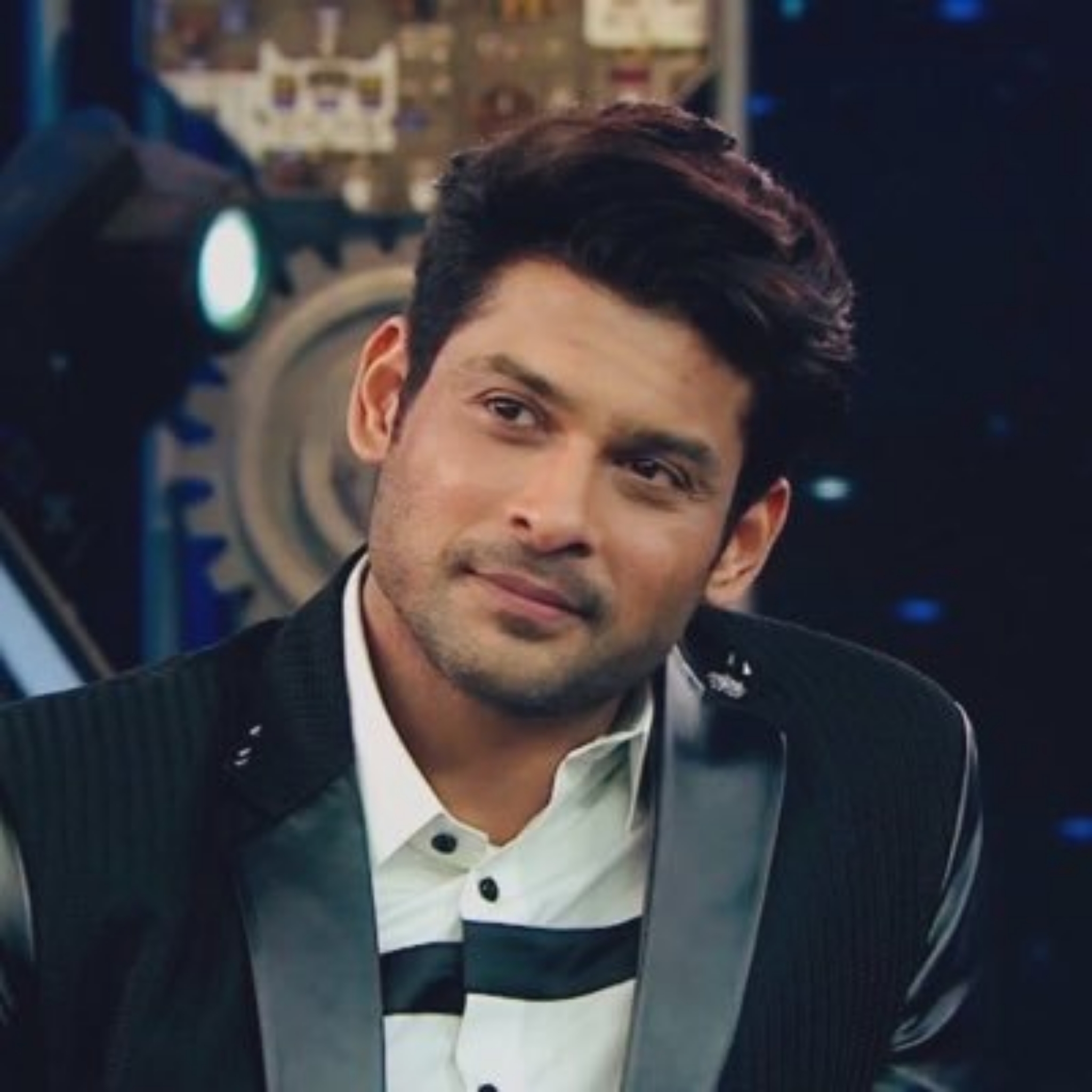
Remembering Sidharth Shukla: Perception and reality

“Absolutely shocked and stunned on learning about the demise of Sushant Singh Rajput! Unbelievable! Sincere condolences and prayers for his family. Rest in peace..#SushantSinghRajput”
When TV and film actor Sidharth Shukla posted this tweet on 20 July 2020, little did he know or even guess that the whole of social media would be buzzing, with tweets and messages pouring in by the tens of thousands mourning his own passing away. Most of them expressed utter shock, disbelief, and numbness that the absolutely fighting fit Sidharth had indeed passed onto the other world.
His early death at just 40 will surely see him attain legendary status, just like Sushant Singh Rajput’s demise did for him. Or even James Dean did in the previous century.

Sidharth has a following that runs into millions – nay, hundreds of millions. He has a popularity that is akin to many big Bollywood stars.
We at Indiantelevision.com had signed him to perform at the height of his popularity during “Balika Vadhu” days for the Indian Telly Awards. With tight and long shooting schedules, he still found time to come rehearse for his act late into the night past the midnight hour.
But apparently, he would have liked more rehearsals. He was a tight bundle of energy waiting to explode, go on stage and complete his performance, on the evening of The Indian Telly Awards gala. One of the backstage crew said he was upset as there was a reshuffling of acts as one of his co-performers was not yet ready. “He’s extremely agitated,” said he. “We will have to calm him down.”
So we called Indiantelevision.com and the Indian Telly Awards founder Anil Wanvari to speak with him. Wanvari took him aside and asked him what the problem was. Sidharth explained he had had a rough shooting schedule and that he was expected on his sets the next day for an early morning shoot. He kept pacing around saying he wanted to go home.
Wanvari, putting his arm around his shoulder, gave him a bottle of water to sip, and spoke to him like he was his son, and explained to him why there was a delay in his multi-star dance act. He also told Sidharth that it is important that he dances as the performance would be incomplete without him, and his partner would not have anyone to dance with her. Wanvari’s soothing voice helped and we saw his sweaty face which had anger written all over it, soften and then break into a smile.
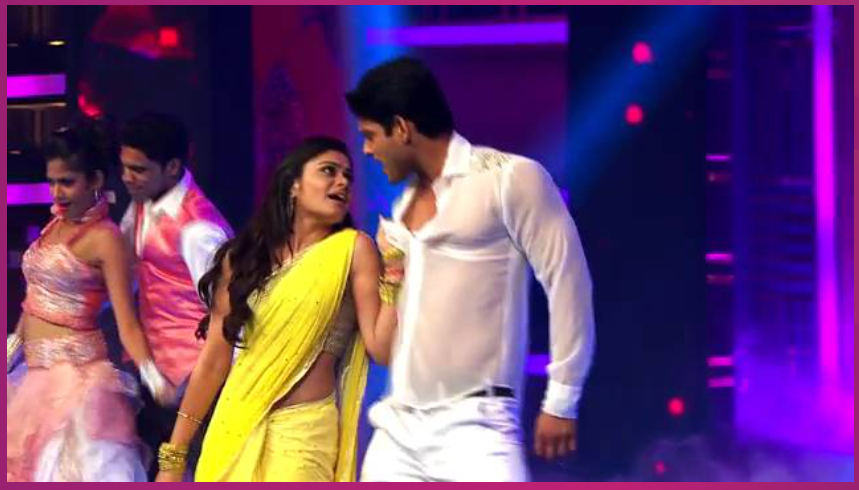
When his turn came to go on stage to dance, he performed like his life depended on it. The audience broke into applause. Wanvari went up to him and thanked him for his patience and for putting in his best into the performance. Sidharth only smiled shyly, his eyes crinkling and he looked away.
From thereon, the young man went on to achieve even greater fame and fan-following. Some controversial publications wrote about his occasional outbursts, while others talked about his better side. Initially, he used to react strongly to all the negative reports but recently had learned to laugh at them. Said he in a tweet recently: “Being reading a few newz articles …. Least said they are hilarious….. bhayi eye balls he Chahiyea tho kuch positive likh lo ….itni negativity kaha se latte ho…How do you’ll manage to know more about me better than me… least I can say .. may God bless you all.”
The educated, well-spoken interior design graduate who became a model and then shot to fame with “Balika Vadhu” and then climbed even higher with “Bigg Boss 13”, appears to have made peace with himself and with industry pressures. His posts clearly showed he had a sharp and intuitive mind. May his soul rest in peace!



News Broadcasting
UDF poised to return to power in Kerala, says Manorama-CVoter survey
Massive opinion poll projects shift in Kerala politics ahead of 2026 Assembly elections.
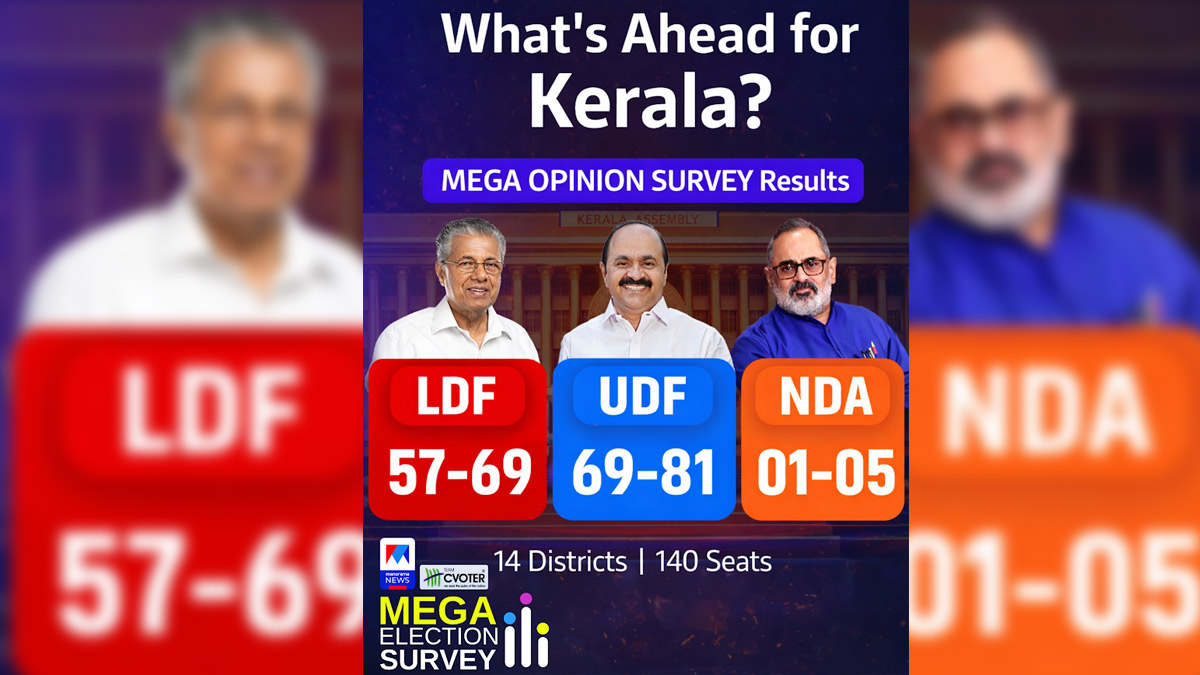
MUMBAI: The winds of change appear to be blowing through Kerala’s political landscape and this time, they seem to favour the United Democratic Front. A comprehensive mega opinion survey conducted by Manorama News in partnership with CVoter projects a potential comeback for the UDF in the upcoming Kerala Legislative Assembly Elections 2026. The survey, covering all 140 constituencies with a massive sample size of nearly 90,000 respondents, predicts the UDF could win between 69 and 81 seats.
The ruling Left Democratic Front (LDF) is expected to secure 57 to 69 seats, a significant drop from the 99 seats it won in the 2021 elections. This would mean the LDF losing 30 to 42 of its sitting seats. Meanwhile, the National Democratic Alliance (NDA), which drew a blank in 2021, is projected to open its account with 1 to 5 seats.
Region-wise, the UDF is expected to make strong gains in Malabar, winning 25 to 34 out of 48 seats, and in Central Kerala, where it could bag 29 to 33 out of 53 seats. In South Kerala, the LDF is likely to retain an edge with 21 to 25 seats, while the UDF may improve to 12 to 16 seats. The NDA could pick up 1 to 3 seats in the southern region.
The survey was conducted between 14 and 26 March 2026, with additional tracker and snap polls carried out from December 2025 to March 2026. A total of 89,693 respondents participated, ensuring representation across all demographics and social segments.
Manorama News has a strong track record of accuracy, with its previous projections closely matching the actual results of the 2019 and 2024 Lok Sabha elections as well as the 2021 Kerala Assembly polls.
In Kerala’s famously fierce political battles, this survey suggests the pendulum may be swinging back. Whether the final verdict matches these numbers or throws up another surprise, one thing is clear, the 2026 Assembly elections are shaping up to be one of the most keenly watched contests in the state’s history.






