Gaming
Reliance teams up with Blast to storm India’s booming esports arena

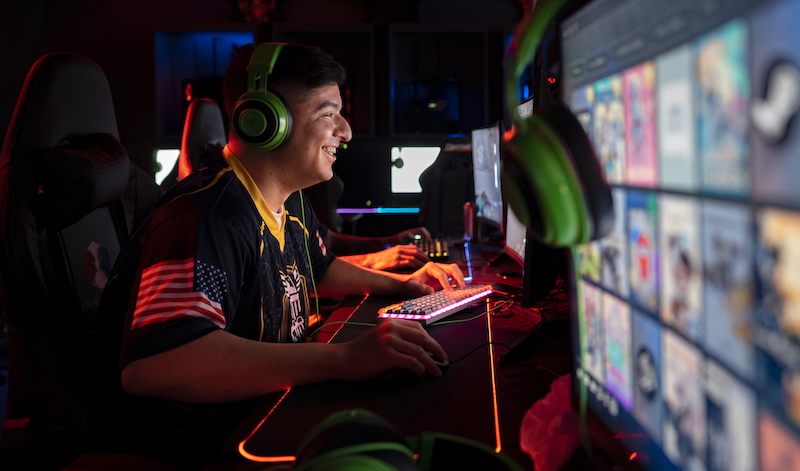
MUMBAI: Reliance Industries’ wholly-owned subsidiary Rise Worldwide has joined forces with European esports powerhouse Blast to form a joint venture that aims to revolutionise India’s nascent but rapidly expanding competitive gaming landscape.
The partnership will leverage Blast’s tournament expertise and publisher relationships to bring global esports properties to Indian shores while developing bespoke competitions for the local market—a digital playground that already boasts a staggering 600 million gamers, representing 18 per cent of the world’s button-bashers.
India’s gaming market, currently valued at $3.8bn, is projected to rocket to $9.2bn by 2029, growing at a blistering 19 per cent annually. Meanwhile, the global esports market is expected to surge from $2.8bn to $16.7bn by 2033, suggesting there are digital gold mines yet to be excavated.
“India is one of the most exciting and fastest-growing gaming markets in the world,” said Blast chief executive Robbie Douek, whose company currently works with gaming titans including Epic Games, Valve, Riot Games, Krafton and Ubisoft across popular titles with a combined monthly player base exceeding 350 million.

The new venture will capitalise on Blast’s production prowess and intellectual property portfolio while tapping into Jio’s technological muscle and distribution network via the JioGames platform. Services will span tournament management, targeted marketing, production and broadcasting—essentially creating a full-service esports juggernaut.
“With this partnership, Indian esports will be able to realise its full potential,” said Reliance Sports head Devang Bhimjyani.
The timing appears impeccable, as the Indian government recently granted official recognition to esports by declaring it part of the “multi-sports event” category, providing legitimacy to a pursuit once dismissed as mere child’s play.
Blast, known for producing tournaments that fill arenas and generate billions of views across 150+ territories, will now bring its show-stopping production values to a country where cricket has traditionally dominated sporting consciousness. With planned arena stops in global cities like London, Singapore, Austin and Rio in 2025, the addition of Indian venues seems a natural next step in the company’s expansion strategy.
For India’s growing army of competitive gamers, the partnership offers tantalising prospects: international exposure, improved tournament infrastructure, and potentially, a shot at the multi-million dollar prize pools that have transformed gaming nerds into millionaire celebrities elsewhere in the world.







Gaming
Konami concludes successful eFootball India campaign
Campaign featuring Rinku Singh, Varun Chakravarthy and other stars boosts engagement ahead of FIFA World Cup 2026.
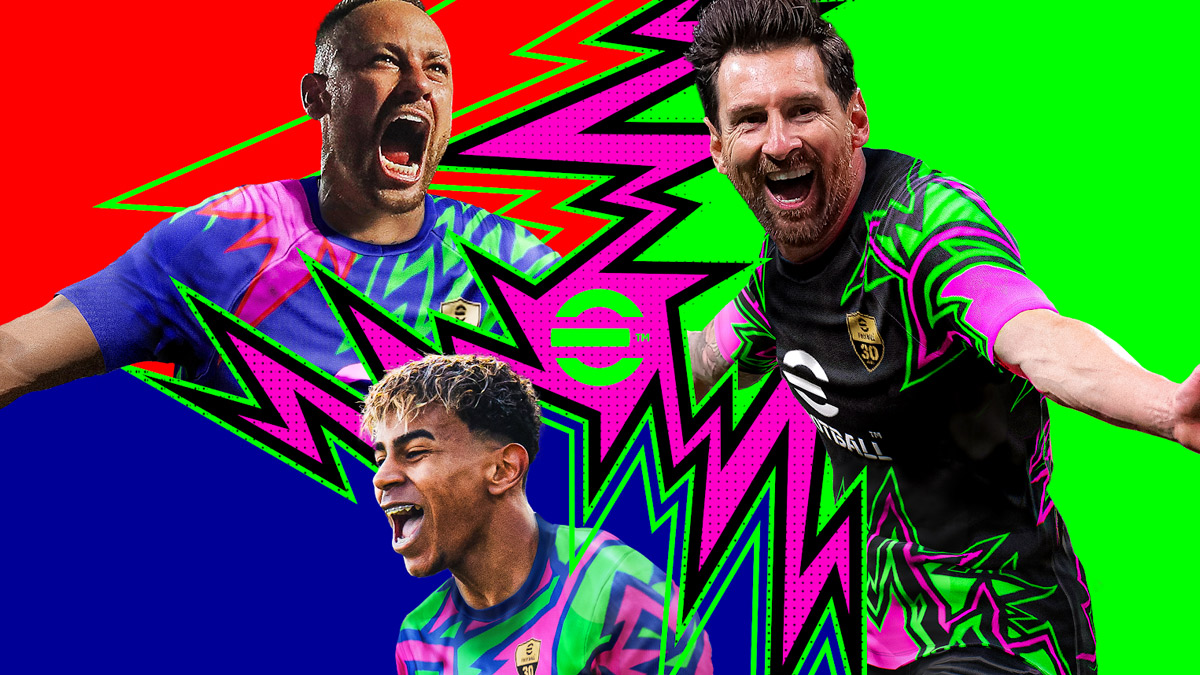
MUMBAI: When cricket meets football in the virtual world, even the biggest fans can’t help but score and Konami’s latest eFootball campaign in India has clearly hit the back of the net. Konami Digital Entertainment has successfully wrapped up its India campaign for eFootball, which brought together cricketers Rinku Singh and Varun Chakravarthy, actors Naslen Gafoor and Chandu Salim Kumar, and footballers Sahal Abdul Samad and Shubhasish Bose. The multi-star campaign generated strong excitement across gaming, football, and creator communities through social content, fan participation, and in-game engagement.
Building on the initial launch that featured a limited-time Lionel Messi card, the campaign united fan communities, lifestyle creators, football creators, and competitive eFootball influencers. It significantly expanded the game’s visibility and deepened engagement with fans across the country.
The campaign also saw thousands of entries submitted as part of its social media engagement challenge, reflecting high levels of community enthusiasm and active creator involvement.
Looking ahead, Konami plans to build on this momentum with more eFootball experiences for Indian fans as the FIFA World Cup 2026 approaches. With global attention on the tournament set to rise, India will remain a key market for deepening community engagement and bringing fans closer to the action.
In a country that lives and breathes sport, Konami has shown that mixing real-world stars with virtual thrills is a winning formula leaving fans eagerly waiting for the next goal.






