Cable TV
Reliance Jio touches 70 mbps download speed during trials


NEW DELHI: The download speed on Reliance Jio’s 4G network during its beta-test phase peaked at 70 megabit per second but remained in 15-30 mbps range on most occasions, as per field trial report by brokerage firm Credit Suisse.
“We experienced peak download speed of 70 mbps during our trials, and on most occasions in the 15-30 Mbps range, even on the move,” said the report by Credit Suisse Research Analysts Sunil Tirumalai and Chunky Shah.

At 70 mbps download speed, a Bollywood movie size video can be downloaded in about half a minute while at 15-30 mbps, the same can be downloaded in about three minutes.
The report compared the commercially launched 4G service of telecom major Airtel and beta network of Reliance Jio and found “Airtel 4G giving 10-20 mbps, often slower than Jio, and 3G network speeds of sub 2 mbps (peak 7 mbps).”
Analysts found urban coverage of RJio network at par with incumbents but remarked rural coverage as “poor.”
During trials analysts experienced call drop-free RJio network in Mumbai but lost signal three – four times when they entered on village roads.
Analysts said that they experienced seamless phone call experience between Reliance Jio and network of other telecom operators.
“Overall, our take away is that the Reliance Jio network is turning out to be as strong a threat to incumbents as we had feared. Next focus would be on pricing and marketing execution,” the report said.
The conglomerate is planning to do a soft launch of the 4G services on Dhirubhai Ambani’s birth anniversary this year, which falls on 28 December.
Credit Suisse analysts said that the speeds will fall once a commercial launch happens and more users get on to the network but globally 4G has delivered better speed than 3G services.
The company has matched up with incumbents on coverage in urban area but there is not much rural focus.
“Until the rural network is fixed, RJio could enter into roaming agreements with other operators. We suspect Jio would use sub-1GHz spectrum for rural coverage,” the report said.
Commenting on handset availability for Reliance Jio’s 4G service, the report said that ZTE is making Reliance Jio’s LYF branded 4G handset and some handsets of Samsung, LG, Lenovo and ZTE also supported VoLTE calls.







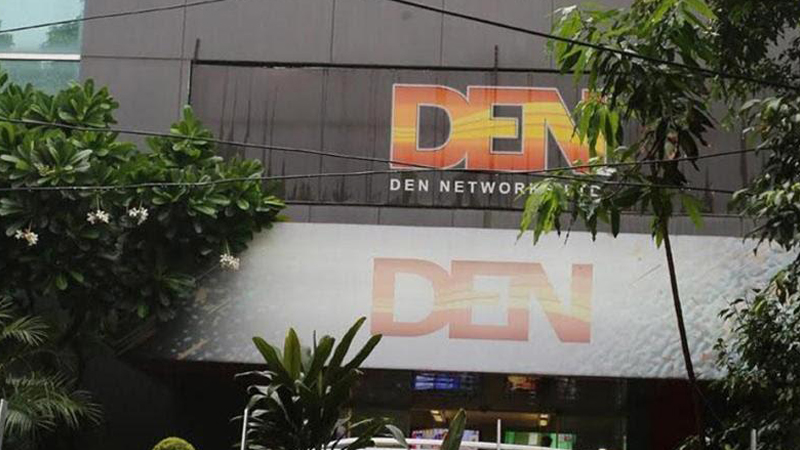
MUMBAI: When margins wobble, liquidity talks and in Q3 FY25-26, cash did most of the talking. Den Networks Limited closed the December quarter with consolidated revenue of Rs.251 crore, marginally higher than the previous quarter but down 4 per cent year-on-year, even as profitability stayed resilient on the back of strong cash reserves and disciplined cost control.
Subscription income softened to Rs.98 crore, slipping 3 per cent sequentially and 14 per cent from last year, while placement and marketing income offered some cheer, rising 15 per cent quarter-on-quarter to Rs.148 crore. Total costs climbed faster than revenue, up 7 per cent QoQ to Rs.238 crore, driven largely by higher content costs and operating expenses. As a result, EBITDA dropped sharply to Rs.13 crore from Rs.19 crore in Q2 and Rs.28 crore a year ago, pulling margins down to 5 per cent.
Yet, the bottom line refused to blink. Profit after tax stood at Rs.40 crore, up 15 per cent sequentially and only marginally lower than last year’s Rs.42 crore. A healthy Rs.57 crore in other income helped cushion operating pressure, keeping profit before tax at Rs.48 crore, broadly stable quarter-on-quarter despite the tougher cost environment.
The real headline-grabber, however, sits on the balance sheet. The company remains debt-free, with cash and cash equivalents swelling to Rs.3,279 crore as of December 31, 2025. Net worth rose to Rs.3,748 crore, while online collections accounted for 97 per cent of total receipts, underscoring strong cash discipline across operations, including subsidiaries.
In short, while Q3 showed signs of operating strain, the financial backbone remains solid. With zero gross debt, steady profits and a formidable cash war chest, the company enters the next quarter with flexibility firmly on its side proving that in uncertain markets, balance sheet strength can be the best growth strategy.






