News Headline
Raj Kamal Singh, sports television’s reluctant pioneer passes on

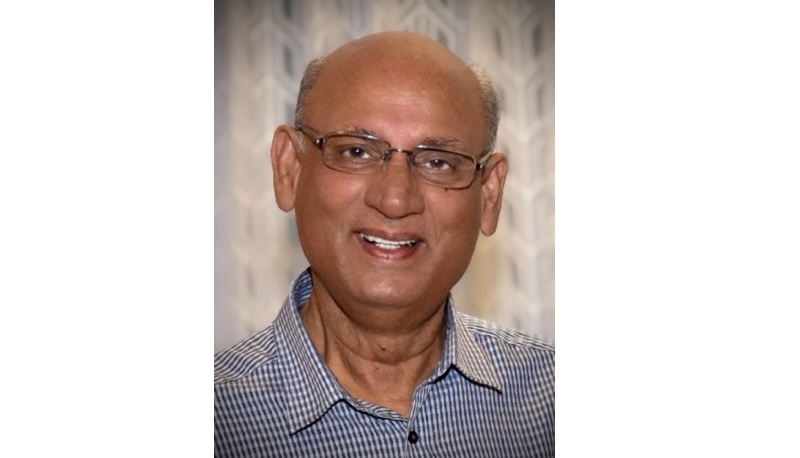
Raj Kamal Singh, known simply as RK to friends and protégés, never quite fit the mould he was born into. A Haryana-cadre bureaucrat with the air of a genial civil servant, he somehow found himself reshaping Indian broadcasting in the 1990s. First came DD Metro, conjured up with Rathikant Basu and Urmilla Gupta to inject a dash of freshness into the government-owned Doordarshan’s lumbering edifice Then came ESPN India, and later ESPN Star Sports — ventures that took him from government files to live sport, a journey no “babu” had probably attempted before.
At ESPN’s makeshift south Delhi office in the early days — a converted garment-export bungalow with half a floor to itself — Singh presided over what would become a generation-defining team. “He was the reason I found my calling in television,” recalls Anurag Dahiya, now the ICC’s chief commercial officer, who was one of the early recruits. RK, he said, was the avuncular figure in a scrappy start-up atmosphere, a mentor who mixed bureaucratic calm with private-sector mischief. He helped build up a pay television business for ESPN in cable television’s infant days.
“For us, he was an approachable CEO. (We could) walk into his cabin – just like a friend. (He was fond of) taking us for bowling…Opening his house for parties along with his loving wife and kids. (We went for) river rafting trips, His famous lassi During lunch that was open to all – endless memories that we all forever cherish with him – shining our careers,” adds NDTV special projects associate vice-president Rachna Oberoi.

Later came Zee Telefilms, where Singh sparred with cable operators, shrugged off boardroom spats and, with a trademark guffaw, told anyone who fretted: “It’s all part of business. You can’t take it very seriously. It will get sorted out.” It usually did.
Colleagues remember a man who taught by example rather than sermon. Many he hired went on to lead, or to found, sports businesses across the globe. His greatest legacy was not the channels he ran, but the people he groomed.
Eventually he walked away from the industry altogether, setting up a lodge in the forest (if we have got it right) — a suitably idiosyncratic ending for a man who had long made light of television’s supposed seriousness. On 15 August he died of a heart attack, aged 75.
The sports-broadcasting world owes him more than it realises. RK would probably chuckle at the thought, suited and booted as he was vaunt to be, dismiss the fuss, and pour another drink.





NEW DELHI: Hamdard Laboratories gathered a cross-section of India’s achievers in New Delhi on Friday, handing out the Hakeem Abdul Hameed Excellence Awards to figures who have left their mark across healthcare, education, sport, public service and the arts.
The ceremony, attended by minister of state for defence Sanjay Seth and senior officials from the ministry of Ayush, celebrated individuals whose work blends professional success with a sense of public purpose. It was as much a roll call of achievement as it was a reminder that influence is not measured only in profits or podiums, but in people reached and lives improved.
Among the headline awardees was Alakh Pandey, founder and chief executive of PhysicsWallah, recognised for turning affordable digital learning into a mass movement. On the sporting front, Arjuna Awardee and kabaddi player Sakshi Puniya was honoured for her contribution to the game and for pushing women’s participation onto bigger stages.
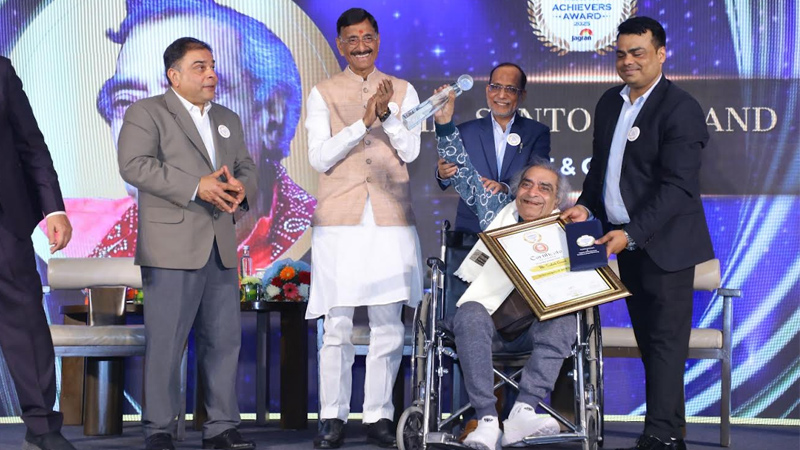
The cultural spotlight fell on veteran lyricist and poet Santosh Anand, whose songs have echoed across generations of Hindi cinema. At 97, Anand accepted the honour with characteristic humility, reflecting on a life shaped by perseverance and hope.
Healthcare honours spanned both modern and traditional systems. Manoj N. Nesari was recognised for strengthening Ayurveda’s place in national and global health frameworks. Padma shri Mohammed Abdul Waheed was honoured for his research-backed work in Unani medicine, while padma shri Mohsin Wali received recognition for his long-standing contribution to patient-centred care.
Education and social development also featured prominently. Padma shri Zahir Ishaq Kazi was honoured for decades of work in education, while former Meghalaya superintendent of Police T. C. Chacko was recognised for public service. Goonj founder Anshu Gupta received an award for his dignity-centred rural development initiatives, and the Hunar Shakti Foundation was honoured for empowering women and young girls through skill development.
The Lifetime Achievement Award went to former IAS officer Shailaja Chandra for her long career in public healthcare and governance, particularly in the traditional systems under Ayush.
Speaking at the event, Hamdard chairman Abdul Majeed said the awards were a tribute to those who combine excellence with empathy. “These awardees reflect Hakeem Sahib’s belief that healthcare, education and public service must ultimately serve humanity,” he said.
Minister Seth struck a forward-looking note, saying India’s young population gives the country a unique opportunity to become a global destination for learning, health and wellness by 2047.
The ceremony also featured the trailer launch of Unani Ki Kahaani, an upcoming documentary starring actor Jim Sarbh, set to premiere on Discovery on 11 February.
Instituted in memory of Unani scholar and educationist Hakeem Abdul Hameed, the awards have grown into a national platform that celebrates those building a more inclusive and resilient India. For one evening at least, the spotlight was not just on success, but on service with substance.







