News Headline
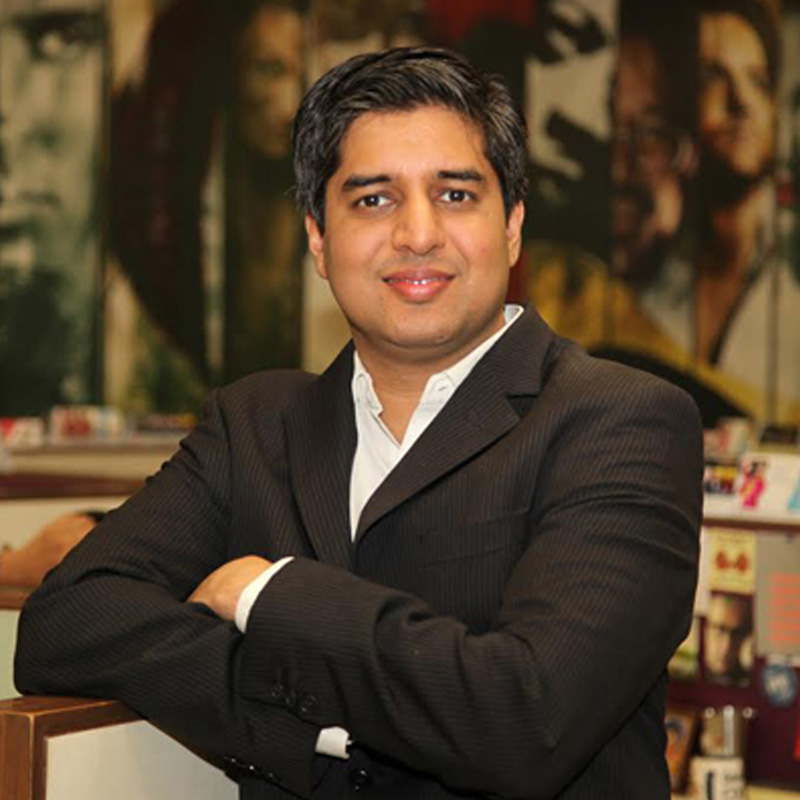
Radio: The 5 Metro Phenomenon – By Reliance Media World CEO Tarun Katial

India lives in its villages…
Does it, anymore?
Let’s look at the statistics…

A recent Ernst & Young study indicates that 58 per cent of advertisers on radio in the country are national corporate advertisers, while 42 per cent are from towns or states in which the station is based. Not surprisingly, the larger radio networks have taken home a higher share of national advertiser revenues.
Now, let’s look at the larger picture. India is tipped to become the 5th largest consumer market in the world by 2025, with urban India defining the growth of the domestic economy in the coming years. An independent study has shown that around 45 per cent of Indians will be living in urban areas by 2050, up from 30 per cent in 2007-08.
This tells us that while the tier II and III cities ensure spread and reach for radio, the metros will continue to play a critical role as far as advertisers and revenues are concerned. Adex data only re-iterates this, when it shows that 70 per cent of the total advertising consumption in the radio industry comes from the 5 metros (Mumbai, Delhi, Kolkata, Bangalore and Hyderabad).
So why do advertisers focus on the metros?
The answer lies in the fact that the core economy and majority of the educated consumers belong to this cluster. Add to that the fact that people are migrating in increasing numbers from small towns and villages to metros, accelerating the economic growth of these cities, creating concentrated centers with large markets.
Distinctly higher demographic development, better infrastructural facilities, lower poverty ratios and higher purchasing power are just few of the things that favour the market. Even though the future growth potential of the smaller key urban towns is universally acknowledged, concentration of media spends in metro markets is a well-established reality.
Globally, radio is used extremely effectively as a tool for brand building. In India too the developments of the recent past have accelerated the growth of the radio industry propelled by the increasing radio listener base, favourable demographics, political advertising, prospects from phase III expansion and the increase in its space in the advertising mix of brands.
The recession, while had its rippling effect on the radio industry, led several new and first time advertisers to flock to radio after understanding its cost effectiveness, coupled with its high reach and impact. While the ‘West’ was melting down due to the recession, India was empowering itself with effective streamlining of resources and delivering optimal returns to both clients and listeners.
Today radio offers multiple platforms at a single point to the ‘value demanding’ advertiser, thus moving out from selling vanilla radio to a more holistic approach. While corporate and retail advertising will continue to retain its critical place as a source of revenue, other sources such as on-ground activation, in programme placement, internet and cross media sales are also becoming significant revenue streams. Similarly larger networks work effectively for advertisers who want to reach deeper into the country.
The key five metro markets performance for any media platform is critical to business health. An advertiser looks at maximising reach across the 5 metros – selecting media which can deliver this without excessive spillover. That is where radio plays an important role in the advertising mix.
Advertisers today divide their budgets across the top two players and this works excellently for Big FM which has been performing consistently in the five metros and today commands the second highest reach across these markets, ahead of its contemporaries (Delhi, Mumbai, Kolkata and Bangalore, as per RAM and Hyderabad, as per IRS-09 R2 data).
Going by the way radio is being used extensively as a medium of communication and advertising, the future promises nothing but bigger opportunities and greater growth prospects for this industry, led by the metros!





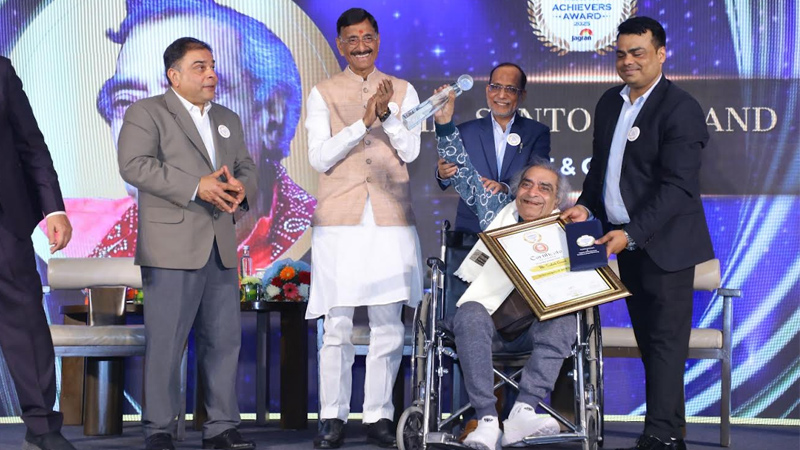
NEW DELHI: Hamdard Laboratories gathered a cross-section of India’s achievers in New Delhi on Friday, handing out the Hakeem Abdul Hameed Excellence Awards to figures who have left their mark across healthcare, education, sport, public service and the arts.
The ceremony, attended by minister of state for defence Sanjay Seth and senior officials from the ministry of Ayush, celebrated individuals whose work blends professional success with a sense of public purpose. It was as much a roll call of achievement as it was a reminder that influence is not measured only in profits or podiums, but in people reached and lives improved.
Among the headline awardees was Alakh Pandey, founder and chief executive of PhysicsWallah, recognised for turning affordable digital learning into a mass movement. On the sporting front, Arjuna Awardee and kabaddi player Sakshi Puniya was honoured for her contribution to the game and for pushing women’s participation onto bigger stages.
The cultural spotlight fell on veteran lyricist and poet Santosh Anand, whose songs have echoed across generations of Hindi cinema. At 97, Anand accepted the honour with characteristic humility, reflecting on a life shaped by perseverance and hope.
Healthcare honours spanned both modern and traditional systems. Manoj N. Nesari was recognised for strengthening Ayurveda’s place in national and global health frameworks. Padma shri Mohammed Abdul Waheed was honoured for his research-backed work in Unani medicine, while padma shri Mohsin Wali received recognition for his long-standing contribution to patient-centred care.
Education and social development also featured prominently. Padma shri Zahir Ishaq Kazi was honoured for decades of work in education, while former Meghalaya superintendent of Police T. C. Chacko was recognised for public service. Goonj founder Anshu Gupta received an award for his dignity-centred rural development initiatives, and the Hunar Shakti Foundation was honoured for empowering women and young girls through skill development.
The Lifetime Achievement Award went to former IAS officer Shailaja Chandra for her long career in public healthcare and governance, particularly in the traditional systems under Ayush.
Speaking at the event, Hamdard chairman Abdul Majeed said the awards were a tribute to those who combine excellence with empathy. “These awardees reflect Hakeem Sahib’s belief that healthcare, education and public service must ultimately serve humanity,” he said.
Minister Seth struck a forward-looking note, saying India’s young population gives the country a unique opportunity to become a global destination for learning, health and wellness by 2047.
The ceremony also featured the trailer launch of Unani Ki Kahaani, an upcoming documentary starring actor Jim Sarbh, set to premiere on Discovery on 11 February.
Instituted in memory of Unani scholar and educationist Hakeem Abdul Hameed, the awards have grown into a national platform that celebrates those building a more inclusive and resilient India. For one evening at least, the spotlight was not just on success, but on service with substance.






