iWorld
Q4-2015: Verizon reports 5.8 million Fios video connections


BENGALURU: US communications major Verizon, Inc., reported 5.8 million subscribers for its Fios wireline video services for the quarter and year ended 31 December, 2015 (Q4-2015, current quarter, FY-2015, current year). The company reported an increase of 20,000 net Fios wireline video services subscribers in the quarter. Verizon also added 99,000 new Fios internet wireline connections in Q4-2015 taking the total to seven million.
The company says that Fios wireline internet connections increased 6.8 per cent YoY and Fios video connections increased 3.2 per cent YoY. For FY-2015, more than 70 per cent of consumer Fios internet customers subscribed to data speeds of 50 megabits per second or higher. Verizon says that customer interest continued to grow for Custom TV, which represented about one-third of Fios video sales in Q4- 2015.

The company says that Q4-2015 wireline consumer revenues were $4.1 billion, an increase of 2.6 per cent compared with Q4- 2014. Fios revenues represented 80.4 per cent of the total. Comparing Q4-2015 with Q4-2014, total Fios revenues grew 6.8 per cent, to $3.5 billion, and consumer Fios revenues grew 6.6 per cent. Wireline operating income margin was 7.3 per cent in Q4- 2015, up from 4.4 per cent in Q4- 2014. Segment EBITDA margin (non-GAAP) was 24.2 per cent in Q4-2015, compared with 23.9 per cent in the corresponding quarter of last year.
“In 2015, Verizon delivered strong and balanced results in a dynamic competitive environment while returning more than $13.5 billion to shareholders. At the same time, Verizon built and acquired next-generation network capabilities that position the company to be an innovator in the digital-first mobile world in 2016 and beyond,” said Verizon chairman and CEO Lowell McAdam.
Overall revenues in Q4-2015 were $34.3 billion, a 3.2 per cent increase compared with Q4-2014. For the full year, Verizon reported total consolidated revenues of $131.6 billion. FY-2015 revenues grew 3.6 per cent, compared with FY-2014. Current-quarter and third-quarter revenues include results from AOL. New revenue streams from IoT grew, with revenues of approximately $200 million in Q4- 2015 and about $690 million for FY-2015. This is a year-over-year increase of 18 per cent, says the company.
Verizon’s other segment, wireless, reported total revenues of $23.7 billion in Q4-2015, up 1.2 per cent compared with Q4-2014. Service revenues totalled $17.2 billion, down 5.6 per cent year over year. Over the same period, equipment revenues increased to $5.4 billion, up from $4.2 billion, as more customers chose to buy new devices with instalment pricing. For the year, total revenues were $91.7 billion, a 4.6 per cent increase compared with 2014.
Verizon Wireless reported 1.5 million retail postpaid net additions in Q4- 2015 and 4.5 million for the full year. These net additions do not include any wholesale or IoT connections.
The company says that customer retention remained high, with retail postpaid churn at a low 0.96 per cent in Q4-2015, a year-over-year improvement of 18 basis points. Churn was also 0.96 per cent for the year, an improvement of 8 basis points from full-year 2014.
Verizon added 906,000 4G smartphones to its postpaid customer base in Q4-2015. Postpaid phone net adds totalled 449,000 as net smartphone adds of 713,000 were partially offset by a net decline of basic phones. Tablet net adds totalled 960,000 in the quarter, and net prepaid devices declined by 157,000. At year-end 2015, the company had 112.1 million retail connections, a 3.6 per cent year-over-year increase, and 106.5 million retail postpaid connections, a 4.4 per cent year-over-year increase.







iWorld
Samay Raina returns with Still Alive, confronts 2025 controversy in bold comeback special
Comeback set tackles controversy, blending humour with raw storytelling
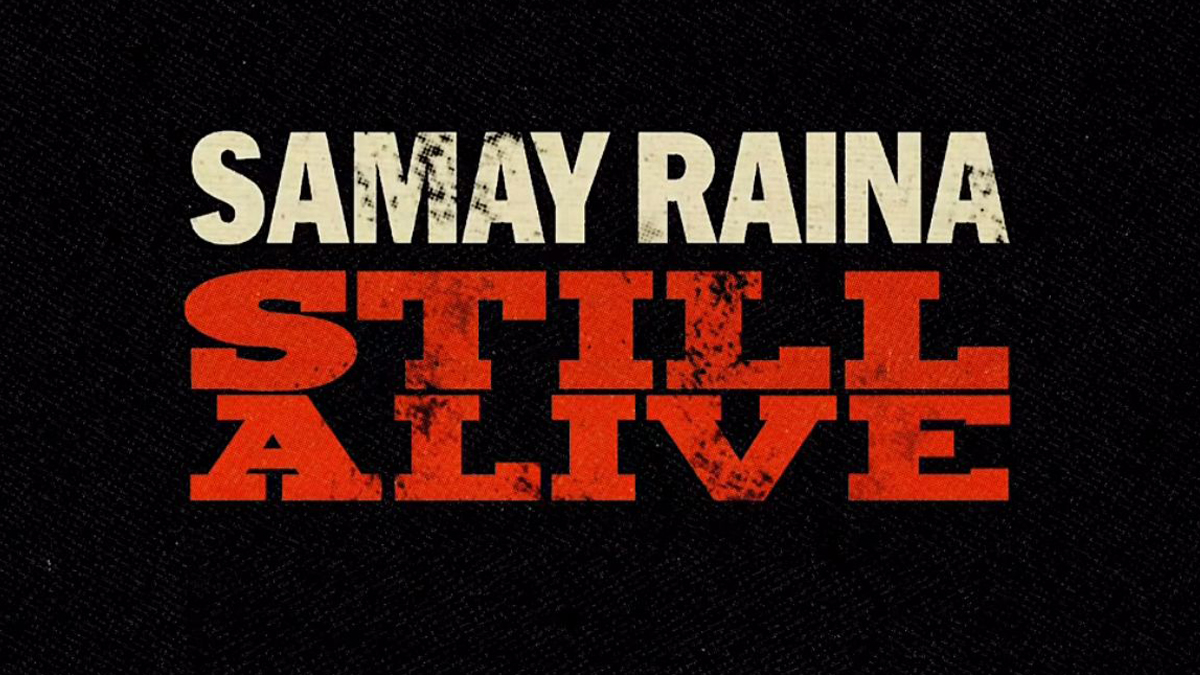
MUMBAI: Samay Raina is set to release his new stand-up comedy special, Still Alive, on YouTube on April 7, 2026, marking a high-profile return following a turbulent year.
The trailer for the special dropped on April 5, offering a glimpse into what Raina describes as a raw and unfiltered set that leans as much on honesty as it does on humour.
Positioned as a comeback of sorts, Still Alive draws heavily from the controversy surrounding his show India’s Got Latent in early 2025. The episode led to legal trouble, multiple FIRs, and a lengthy six-hour interrogation by the Maharashtra Cyber Cell, placing the comedian at the centre of intense public scrutiny.
Rather than sidestep the episode, Raina leans into it. The special reflects on the fallout and his personal journey through it, blending observational comedy with moments of emotional candour. Early audience feedback from live performances suggests the tone is less about rapid-fire punchlines and more about storytelling with bite.
The special was filmed during his global Still Alive & Unfiltered tour, which ran from August 2025 to early 2026. The tour saw Raina perform across major international venues, including the Madison Square Garden Theatre in New York, a milestone that places him among the youngest Indian comedians to take that stage.
The title itself signals resilience. “Still Alive” is a nod to navigating both legal and public backlash while choosing to remain unapologetically authentic, a theme that appears to anchor the set.
With the special set to premiere online, all eyes are now on how audiences respond to a performance that promises equal parts reflection and wit. For Raina, the message is clear. He is not just back, he is ready to be heard on his own terms.






