I&B Ministry
Pvt FM channels yet to touch 300; AIR targets another 115 locations

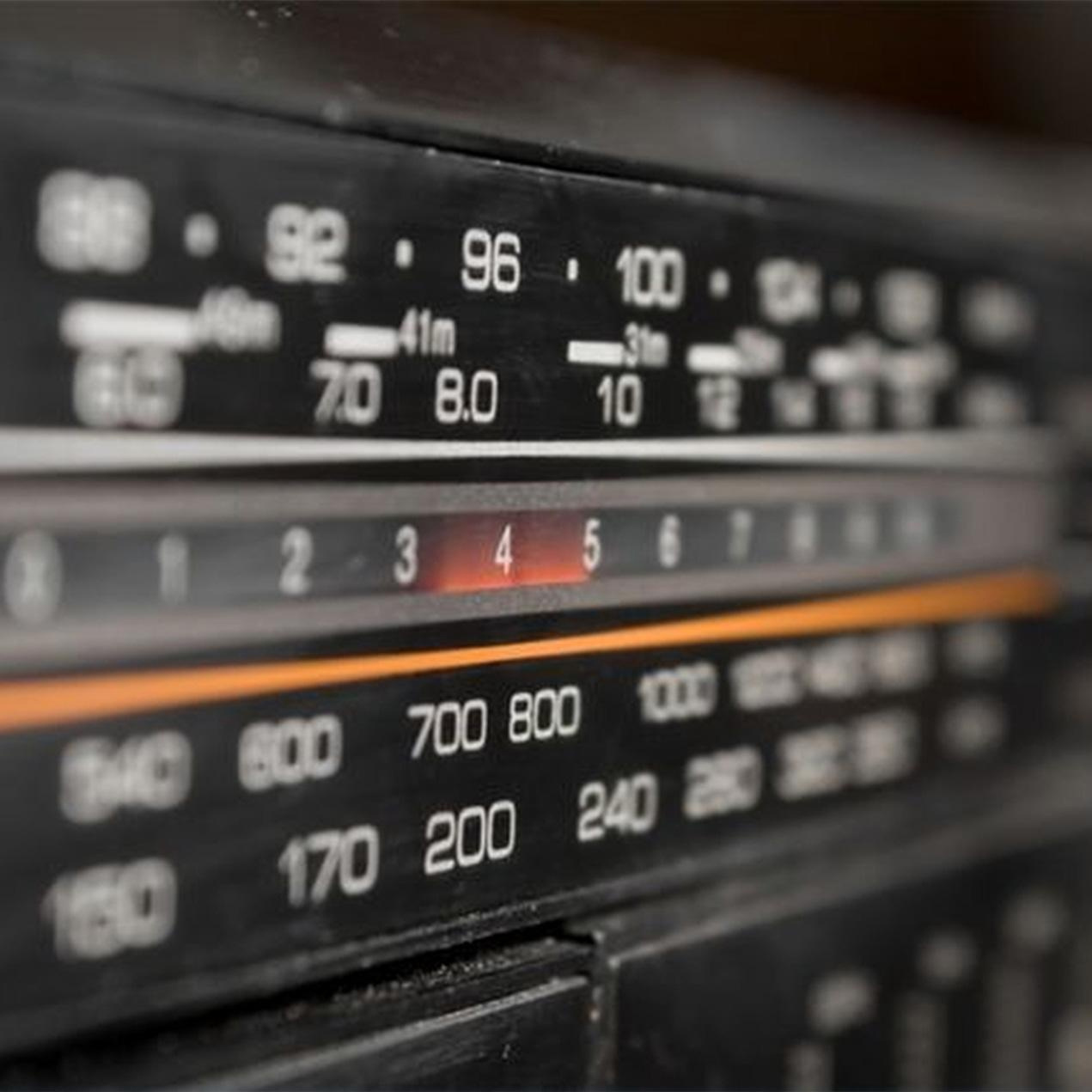
NEW DELHI: After almost two decades of introduction of the scheme, there are only 267 private FM channels operational in the country. Even the second batch of Phase III auctions was stopped before all the channels were auctioned and there was no bid for 44 cities.
Information and broadcasting ministry sources had earlier told Indiantelevision.com’s sister company that the aim was to continue till all the channels slated in the second batch were auctioned, but breaks will have to be taken for weekends and national holidays.
The first phase in 1999 saw the start of 21 FM channels in 12 cities although 37 were sold in 19 cities. The auction was for 108 channels in forty cities.

The second phase in 2005 saw the operationalisation of 219 channels in 86 cities although 245 channels were sold in 87 cities. The auction was for 337 FM channels in 91 cities.
In view of the third phase covering 839 FM channels, it was decided to hold the auction in batches.
The first batch between July and September last year led to the operationalisation of 27 channels in 21 cities although a total of 97 channels were sold in 56 cities (one channel is awaiting security clearance). The batch was to cover 135 channels in 69 cities.
The second batch meant to auction 266 channels in 92 cities commenced on 26 October 2016 and was stopped on 13 December.
In all, 14 bidding companies had been shortlisted for taking part in the second batch but only M/s South Asia FM Ltd was allotted FM channels in Surat, Amritsar, Patna, Chandigarh and Jammu.
However, the ministry sources said that a full report would be released shortly.
While All-India Radio has around 416 FM channels at present, it has plans for targeting another 115 locations in the near future. Besides FM Rainbow and FM Gold, Vividh Bharati has already come on FM and several other channels are planned to be put on FM even as they continue to be beamed on Medium Wave.
In the second batch of Phase III, Hyderabad and Dehradun remained at top with Rs 23,43,48,266 and Rs 15,61,00,590 respectively on the 26th day with the completion of three rounds taking the total to 100.
Other than Hyderabad and Dehradun, the top 16 cities remained static with bids of more than Rs 32 million. The bids at Alappuzha (Alleppey), Erode, Hubli-Dharwad, Nellore, Salem, Vellore and Vijaywada remained at just over Rs 70 million while bids for Tiruchy was just above Rs 50 million and Tirupathi, Puducherry and Muzaffarpur to a little over Rs 40 million. Amravati, Bhavnagar, Jamnagar and Ujjain bid a little over Rs 35 million and Mysuru a little over Rs 32 million.
Also Read :
South Asia FM bags five channels in first round of the second batch of FM Batch III





I&B Ministry
Doordarshan, ICCR sign MoU to boost global reach of Indian culture
Pact taps TV, radio and digital platforms to take cultural content worldwide
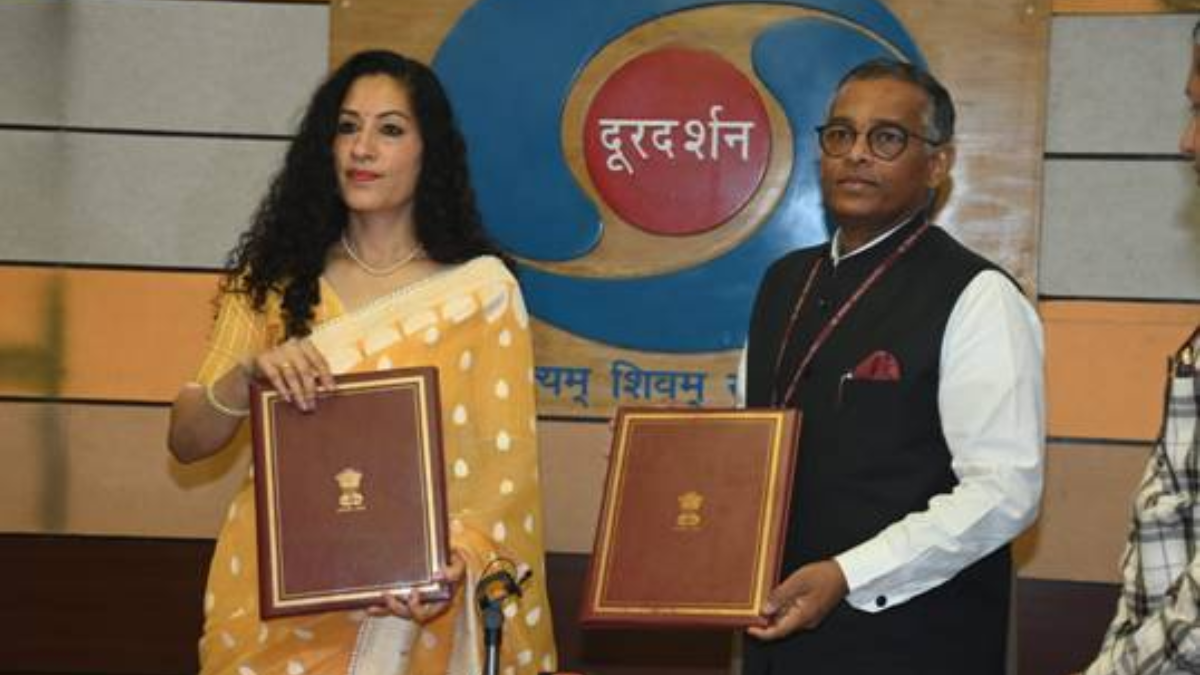
NEW DELHI: In a move aimed at taking India’s cultural story further across borders, Doordarshan under Prasar Bharati has signed a memorandum of understanding with the Indian Council for Cultural Relations to expand the global reach of Indian cultural content.
The agreement, signed on April 7 at Doordarshan Bhawan, brings together the content strength of ICCR and the wide broadcast network of Doordarshan, spanning television, radio and digital platforms.
Under the partnership, ICCR will provide a steady stream of cultural programming, including performances and events organised by Indian missions abroad such as embassies, consulates and cultural centres. Doordarshan will handle production, coverage and distribution, ensuring that these programmes find audiences not just in India but across the world.
The collaboration also opens the door for recorded cultural content from overseas missions to be aired across multiple platforms, including OTT and social media, making Indian art, music and heritage more accessible to global viewers.
A notable feature of the MoU is joint ownership of content rights in perpetuity, including digital rights. This allows both organisations to archive and reuse material over time, building a long-term cultural repository while maximising reach. Doordarshan will also support pre-event promotion and cross-platform visibility to drive engagement.
Speaking at the signing, Doordarshan director general K. Satish Nambudiripad and Indian Council for Cultural Relations director general K. Nandini Singla highlighted the potential of the partnership to strengthen India’s cultural diplomacy through modern media channels.
The agreement, initially valid for three years, also allows Doordarshan to explore monetisation opportunities from the content generated, adding a commercial layer to cultural broadcasting.
As India looks to blend tradition with technology, this partnership signals a clear intent to make its cultural voice not just heard, but seen and streamed across the globe.







