iWorld
Prime Video introduces Jaggu Dada mode in April Fool’s Day campaign

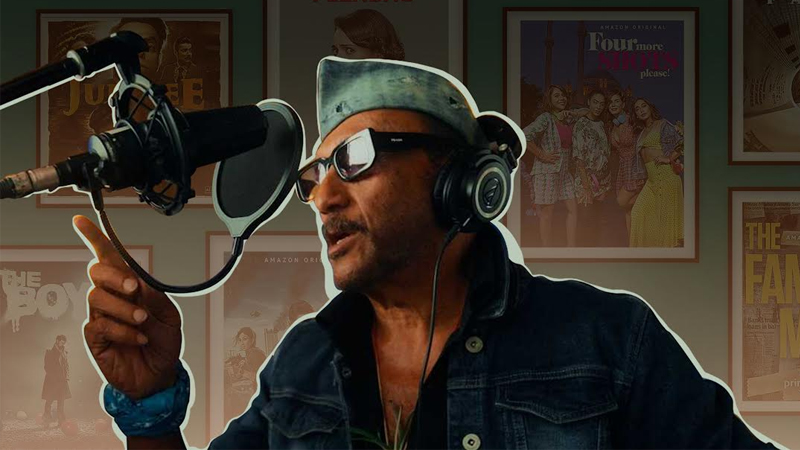
Mumbai: Prime Video, India’s most loved entertainment destination, today unveiled a Jaggu Dada Mode, a faux feature that allows users to watch their favourite shows and movies in the iconic vocabulary of the legendary Jackie Shroff a.k.a Jaggu Dada. The playful hoax planned for April Fool’s Day, gave the audiences a glimpse of what their favourite shows and movies would sound like with this mode turned on, with Jaggu Dada’s dub lending a hilarious touch to each scene. Featuring the evergreen Jackie Shroff, the campaign is written and conceptualised by Bare Bones Collective.
In a parody of a traditional feature ad, B-Town’s beloved Bhidu or Jackie Shroff himself showcased how he would dub over fan-favourite and iconic shows like Pataal Lok and The Family Man, infusing them with his trademark slang. The outcome? Cult dialogues got Bhidu-fied, just like everything else he does.

Prime Video is on a mission to be the entertainment destination of choice for every Indian customer, and the latest campaign cranks up the fun quotient. The Juggu Dada faux feature campaign pays a subtle nod to the fun and carefree spirit of legendary ‘Bhidu’ a.k.a Juggu Dada, perfect for April Fool’s Day, an occasion reserved for laughter, pranks and playful trickery. The campaign comes on the back of incredible consumer love for Juggu Dada’s latest cinematic project – Prime Video’s Mast Mein Rehne Ka, where he plays the role of a widower.
Speaking about the campaign, Jackie Shroff said, “Life is all about having fun and living to the fullest. And what better day than April Fool’s Day to practice this philosophy. When I was approached for this campaign, I absolutely loved the idea. The thought of dubbing my favourite shows and movies and giving them a new twist was an opportunity too hard to miss. I am glad to have had the chance to bring a smile on people’s faces this April Fool’s Day. Sab bhidu log ko mast rehna chahiye…that is all I wish for and that is all I want to say through this campaign.”
Written by Anuya Jakatdar, Girish Narayandass, Manaswi Mohata, Rahul Nair and Astle Fernandes, the campaign went live on Prime Video’s YouTube and Instagram.
Sharing her thoughts on the campaign, Bare Bones Collective co-founder Anuya Jakatdar said, “We had a blast writing this campaign. The entire writing team was in Jaggu Dada Mode for two weeks. A big thank you to the team at Prime Video for letting us channel our inner Bhidu. And of course the man himself, Jackie Sir, for being a total delight to work with.”






iWorld
Bill Ackman’s Pershing Square makes $64 billion bid to acquire Universal Music Group
Ackman pitches NYSE relisting plan as UMG board weighs unsolicited offer
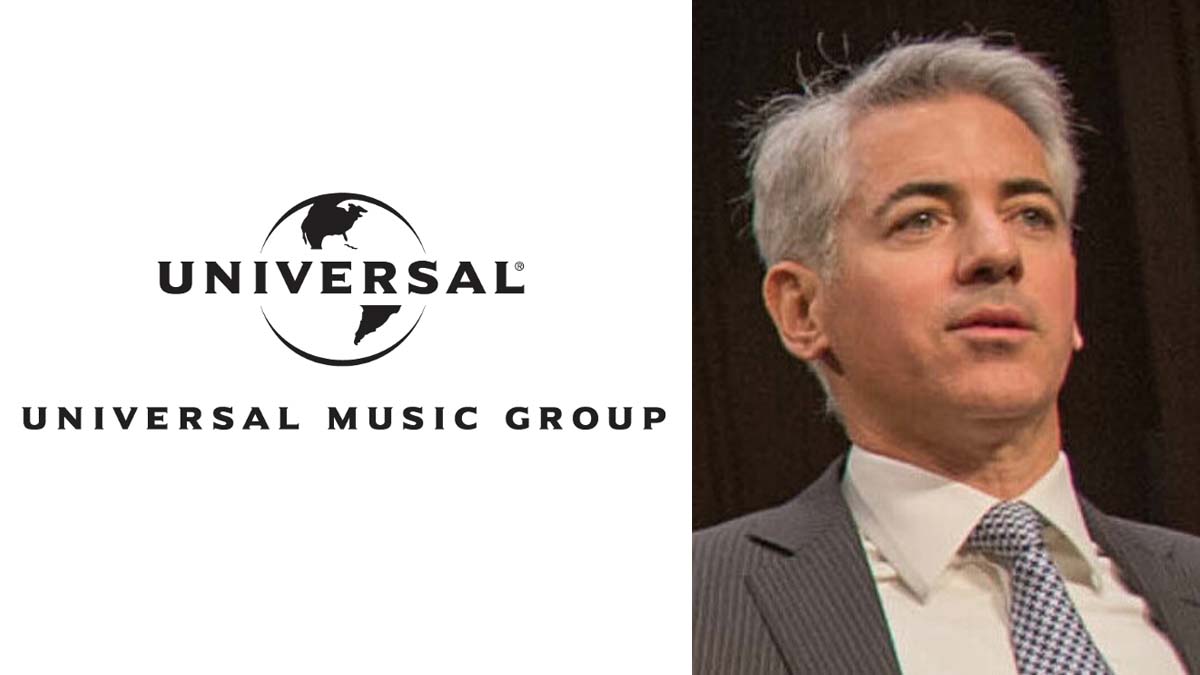
The hedge fund has proposed a business combination that values UMG at €30.40 per share, representing a hefty 78 per cent premium to its current trading price. The offer includes €9.4 billion in cash alongside stock in a newly formed entity, with shareholders set to receive €5.05 per share in cash and 0.77 shares in the new company for each UMG share they hold.
Under the proposal, UMG would merge with Pershing Square SPARC Holdings Ltd and re-emerge as a Nevada-based entity listed on the New York Stock Exchange. The move is designed to boost investor visibility and potentially secure inclusion in major indices such as the S&P 500.
Pershing Square Capital Management ceo Bill Ackman argued that while UMG’s operational performance remains strong, its market valuation has lagged due to external factors. “UMG’s stock price has languished due to a combination of issues that are unrelated to the performance of its music business,” Ackman said, pointing to concerns ranging from shareholder overhang to delayed US listing plans.
Ackman also flagged what he sees as untapped potential in UMG’s balance sheet and a lack of clear capital allocation strategy. He added that the market has not fully recognised the value of UMG’s €2.7 billion stake in Spotify, alongside gaps in investor communication.
The proposed transaction would also result in the cancellation of around 17 per cent of UMG’s outstanding shares, while maintaining its investment-grade balance sheet. Pershing Square has said it will fully backstop the equity financing, with debt commitments secured at signing. The deal is targeted for completion by the end of the year.
UMG, however, has struck a measured tone. The company confirmed that its board has received the non-binding proposal and will review it with advisers. It reiterated confidence in its current strategy and leadership under Lucian Grainge, signalling no immediate shift in stance.
The proposal comes at a time when global music companies are navigating evolving investor expectations, streaming economics and capital allocation pressures. For Pershing Square, the bet is clear: sharpen the financial story, relist in the US, and let the music play louder in the markets.
Whether UMG’s board is ready to change the tune remains to be seen, but the spotlight on its valuation just got a lot brighter.






