iWorld
Prime time for hoops as NBA lands on Prime Video in slam-dunk global deal

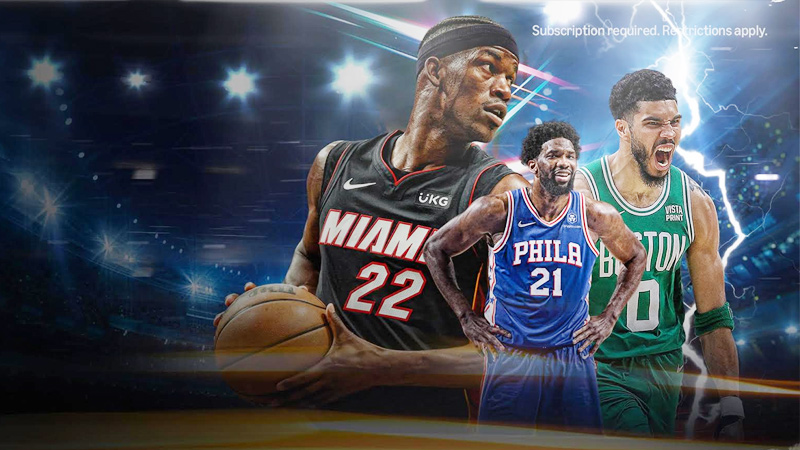
MUMBAI: The courts are going digital and Prime Video is making the first move. In a slam-dunk announcement for basketball fans across India, Prime Video has unveiled the official logo for its upcoming coverage of the NBA, marking a major play in the global sports streaming arena. Starting October 2025, hoops action will stream straight to your screens no extra charges, no cable required.
This follows Prime Video’s landmark 11-year media rights agreement with the NBA, making it the exclusive destination for 67 regular-season games each year, along with knockout matches from the Emirates NBA Cup and the Play-In Tournament. The deal also includes select playoff games and the Conference Finals in six out of the 11 seasons, an unmissable lineup for Indian fans.
But wait, there’s more. Starting in 2026, the platform will tip off its WNBA coverage too, streaming 30 regular-season games and exclusive playoff matchups, including three WNBA Finals over the course of the agreement.

With this move, Prime Video becomes more than just a platform, it becomes a prime court-side seat. NBA legends and Hall-of-Famers like Dwyane Wade, Steve Nash, Dirk Nowitzki, Blake Griffin and Udonis Haslem will join sports journalist Taylor Rooks for a studio show filled with insights, stories, and signature style. WNBA star Candace Parker will bring her expertise to both NBA and WNBA coverage, making the lineup as star-studded off court as it is on.
Basketball fans who want even more can access NBA League Pass via Prime Video as a third-party add-on, giving them access to an extended buffet of live and on-demand action.
From fast breaks to buzzer beaters, Prime Video is set to transform sports streaming in India, one triple-double at a time.





iWorld
Bollywood 90s Jamming set for April 26 at Bharat Mandapam
Live sing-along event in Delhi sees strong ticket demand on BookMyShow
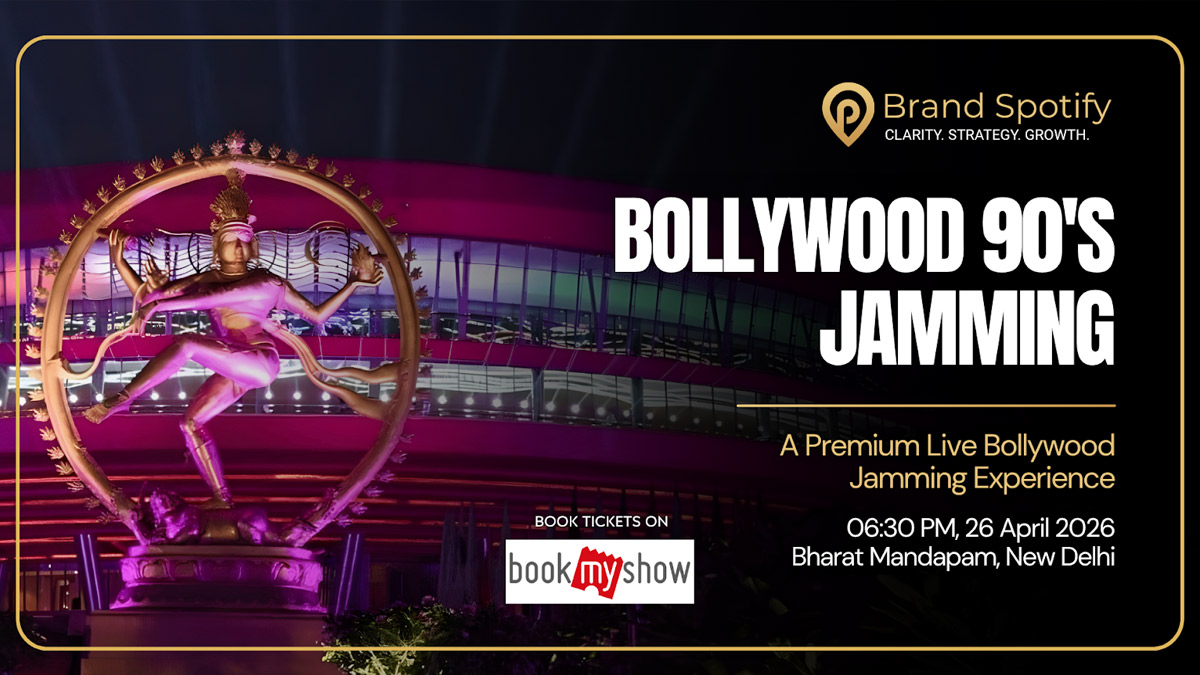
MUMBAI: Rewind, press play and suddenly, it’s the 90s all over again. Bollywood 90s Jamming is set to take over Bharat Mandapam on April 26, 2026, promising a full-blown nostalgia trip for Delhi’s music lovers. Curated as a tribute to Bollywood’s golden musical era, the event will feature a live performance by India Music Collective, known for turning concerts into participative experiences where audiences don’t just listen, they sing along, often word for word. The format leans into collective nostalgia, blurring the line between performer and crowd.
Organised by Brand Spotify Marketing & Event Agency, the event is being led by a team comprising Rohan Sharma, Mishita Batra, Akshita Jain and Ravneet Kaur, who are positioning it as more than just a concert, an immersive throwback to an era when music was as much about memory as melody.
Early indicators suggest the pitch is landing. Tickets, currently live on BookMyShow, are witnessing strong demand, pointing to a packed evening where retro hits meet a new-age audience eager to relive them in unison.
Set against the expansive backdrop of Bharat Mandapam, the event is designed to recreate the communal energy of 90s Bollywood where lyrics were instantly recognisable and emotions universally shared. As the city gears up for April 26, the promise is simple, a night where thousands gather not just to hear the music, but to become part of it.
For Delhi, it’s shaping up to be less of a concert and more of a collective memory set to a soundtrack everyone already knows by heart.






