Applications
Prime Focus Technologies debuts Clear AI Agents at IBC 2024


Mumbai: Prime Focus Technologies (PFT), AI-powered technology solutions, unveils CLEAR AI Agents at IBC 2024 in Amsterdam. These are designed to assist & co-work with professionals within Media & Entertainment (M&E) enterprises to execute specific tasks across content management, postproduction, and marketing. The agents seamlessly handle repetitive tasks, freeing teams to focus on strategic and creative tasks. Their round-the-clock availability and autonomous capabilities in select areas ensure timely task execution, enhancing the overall user experience. Most importantly, the agents drive scale, contributing to efficiency gains and monetisation, ultimately helping content meet revenue.
Meet CLEAR AI Agents:
Converse – A personal assistant that helps you engage with and utilise the content in your library to its full potential.

Search – Use AI-powered semantic search equipped with the power of reasoning, to find contextual results quickly.
Content Highlights – Automatic generation of highlight reels from long-form videos.
Social – Generate social media posts and hashtag recommendations to create compelling social narratives.
Synopsis and Thumbnails – Generate titles, thumbnails, and synopsis for clips and highlights.
Reframe – Automatically convert horizontal videos into square and vertical formats for multiple platforms.
Dedup – Compares assets and eliminates redundant versions, ensuring a clean and cost-effective content library.
Localize – Translate and transcreate content into the language of choice and expand into newer markets.
ImageGen – Generate custom images to build concept art and pre-visualizations during production.
The CLEAR AI platform now features enhanced support for agent-driven workflows, offering a new level of integration that drives impactful results across the industry.
The launch of AI Agents underscores the pivotal role generative AI plays in making these intelligent agents a reality,” said PFT founder & global CEO Ramki Sankaranarayanan “They are the culmination of seven years of investment in AI, combining Gen AI with the small language models reflecting our commitment to fundamentally reshape the M&E industry. These agents illustrate AI’s ability to drive significant change by enhancing productivity and driving new revenue streams. Get ready to meet your agents at IBC.”







Applications
With 57 per cent single new users, Ashley Madison rebrands as discreet dating platform
Platform says majority of new members now identify as single
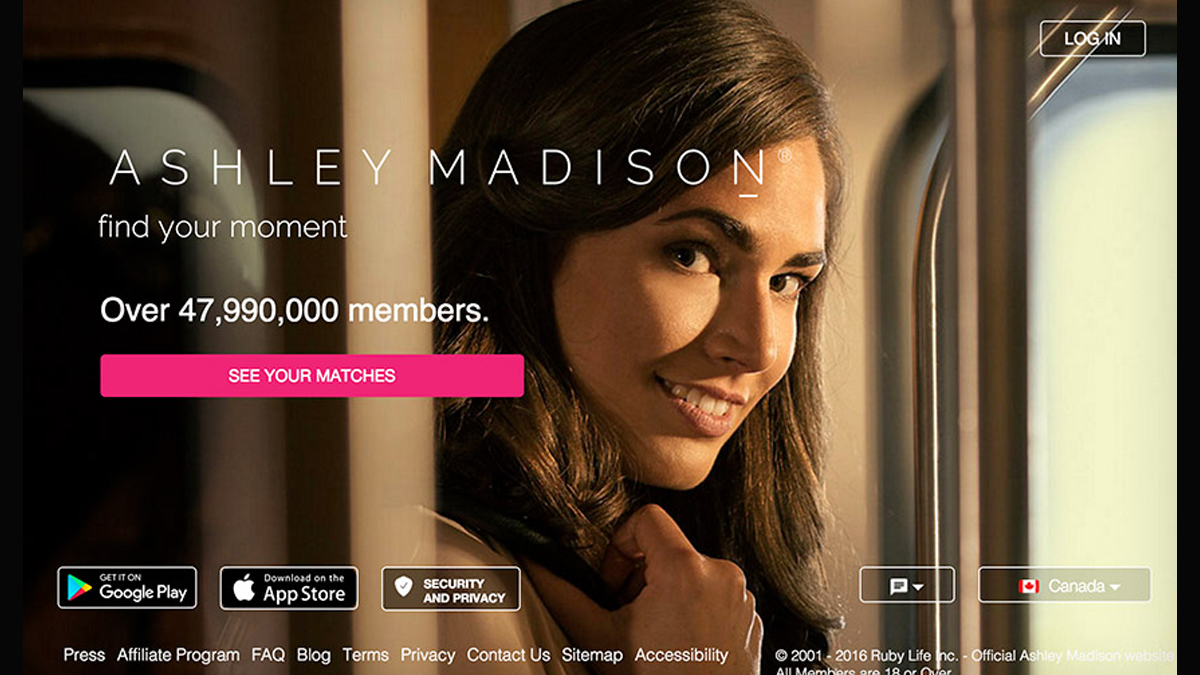
INDIA: Ashley Madison is shedding the “married-dating” label that defined it for two decades, repositioning itself as a platform for discreet dating in what it calls the post-social media age.
The rebrand, unveiled in India on 27 February, 2026, marks a structural shift in business model and identity. Once synonymous with married dating, the company now describes itself as the “premier destination for discreet dating” under a new tagline: Where Desire Meets Discretion.
The pivot is data-driven. Internal figures show that 57 per cent of global sign-ups between 1 January and 31 December, 2025 identified as single: a notable departure from the platform’s married core. The company argues that its community has already evolved beyond its original positioning.
“In an age where our lives have been constantly put on public display, privacy has become the new luxury,” said Ashley Madison chief strategy officer Paul Keable. He framed the platform’s offering as “ethical discretion” for singles, separated, divorced and non-monogamous users seeking private connections.
The shift also taps into wider digital fatigue. A global survey conducted by YouGov for Ashley Madison, covering 13,071 adults across Australia, Brazil, Canada, Germany, India, Italy, Mexico, Spain, Switzerland, the UK and the US, found mounting discomfort with hyper-public online lives.
Among dating app users, 30 per cent cited constant swiping and messaging as a source of fatigue, while 24 per cent pointed to pressure to curate public-facing profiles and early personal disclosure. Some 27 per cent said fears of screenshots or information being shared contributed to exhaustion; an equal share cited unwanted attention.
The retreat from oversharing appears broader. According to the survey, 46 per cent of adults actively try to keep most aspects of their life private online. Only 8 per cent feel comfortable sharing most aspects publicly, while 35 per cent say they are becoming more selective about what they disclose.
Ashley Madison is betting that this cultural recalibration towards controlled visibility can be monetised. By doubling down on privacy infrastructure and reframing itself around discretion rather than infidelity, the company is attempting to convert reputational baggage into a premium proposition.






