Hindi
Pratik Gandhi and Patralekha unveil Phule poster on Mahatma Phule’s birth anniversary


Mumbai: The highly anticipated film ‘Phule’ has released a captivating new poster, offering audiences a glimpse into the hallowed legacy of social reformers Mahatma Jyotirao Govindrao Phule and his wife, Dnyanajyoti Savitribai Phule. Directed by acclaimed filmmaker Ananth Mahadevan, the film promises to unveil the untold story of the two visionary icons who waged a relentless battle against casteism and championed female education in India.
The poster was released to mark the birth anniversary of Mahatma Phule which is a landmark in the annals of Indian modern history.
In the newly unveiled poster, lead actors Pratik Gandhi and Patralekha, portraying the iconic couple, are depicted gazing toward the horizon, symbolising the dawn of a new era—a metaphor for the educational revolution initiated by the Phules. Their resolute expressions and striking resemblance to the revered social reformers serve as a poignant reminder of the indomitable spirit and unwavering commitment of Jyotirao and Savitribai Phule in their pursuit of social justice and equality.

Producer’s Jagdish Patel, Pranay Chokshi, Suunil Jaiin, Anuya Chauhan Kudecha and Ritesh Kudecha, have joined forces to bring this monumental project to fruition, determined in their dedication to honouring the legacy of the Phule couple and shedding light on their invaluable contributions to India’s social fabric.
Jyotiba and Savitribai Phule, revered as visionary social reformers, blazed a trail in the fight against caste and gender-based discrimination. Their pioneering efforts led to the establishment of India’s first girls’ school in Pune in 1848, laying the foundation for a transformative revolution in education and social reform. Despite the challenges posed by British imperialism, the Phules remained steadfast in their mission, earning Jyotirao the esteemed title of ‘Mahatma’ for his tireless advocacy of gender and caste equality.
Speaking about the film, National Award-winning director Ananth Narayan Mahadevan expressed his desire to shine a spotlight on the prevailing social ills that continue to plague society today. “Mahatma and Jyotiba Phule fought against caste and gender discrimination, which unfortunately persists even today. I aim to reignite conversations about these pressing issues that demand our attention,” remarked Mahadevan.
As anticipation builds for the release of ‘Phule’, the unveiling of the new poster serves as a poignant reminder of the enduring legacy of two extraordinary individuals whose tireless efforts continue to inspire generations and shape the future of a more equitable society. The film currently in post-production, is slated to release this year.

Hindi
MIFF 2026 to return to Mumbai; film entries open till April 12
19th edition to host WAVES Doc Bazaar, spotlighting global documentary talent
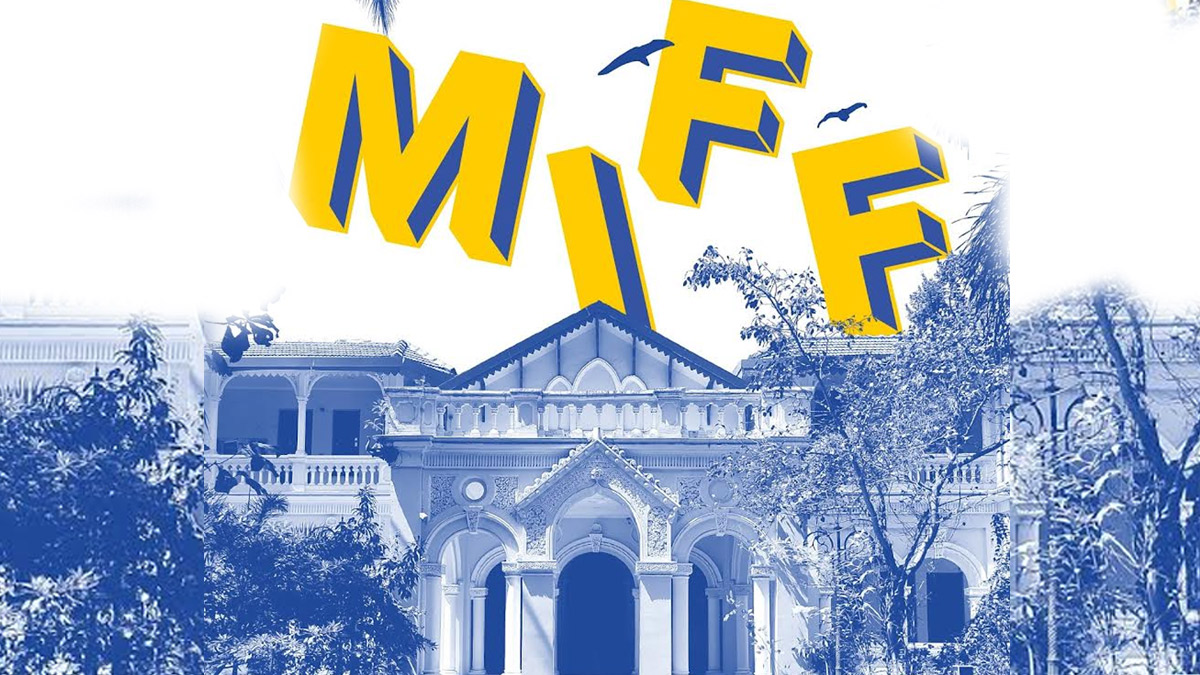
MUMBAI: The 19th edition of the Mumbai International Film Festival 2026 is set to take place from June 15 to 21 at the NFDC Complex, with film submissions currently open and the deadline fast approaching on April 12.
Organised by the National Film Development Corporation under the Ministry of Information and Broadcasting, the biennial festival remains one of South Asia’s most prominent platforms for documentary, short fiction and animation films.
Filmmakers, producers and content creators from across the globe have been invited to submit entries via the Film Freeway platform for the Competition Section. Offline submissions will not be accepted, reinforcing a fully digital entry process.
MIFF 2026 continues to sweeten the deal with a robust awards pool of Rs 55 lakh. The coveted Golden Conch for Best Documentary carries a top prize of Rs 10 lakh, alongside multiple awards across categories, making it one of the most lucrative non-feature film festivals in the region.
A key highlight this year will be the second edition of the WAVES Doc Bazaar, scheduled from June 16 to 18 alongside the festival. Designed as a hub for collaboration, the Doc Bazaar will feature a co-production market, viewing rooms and a work-in-progress lab, bringing together global buyers, sellers and creators under one roof.
Since its inception in 1990, MIFF has built a reputation as a serious showcase for non-feature cinema, drawing participation from filmmakers worldwide. The previous edition saw over 350 films from more than 30 countries, underlining its growing international footprint.
With submissions closing soon and preparations underway, MIFF 2026 is shaping up to be a vibrant meeting point for storytelling, collaboration and cinematic craft, offering filmmakers both a stage and a springboard.







