I&B Ministry
Prasar advisor Sunil Arora new IICA DG & CEO

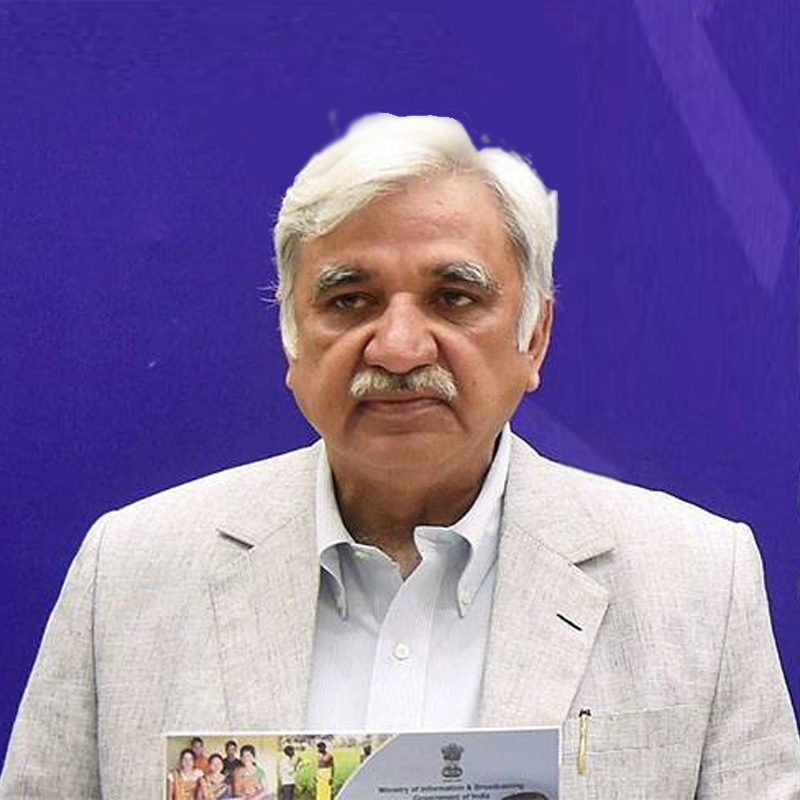
NEW DELHI: Information & broadcasting ministry’s former secretary Sunil Arora has reportedly been appointed as the director-general and CEO of the Indian Institute of Corporate Affairs (IICA), the corporate affairs ministry’s think tank. The IAS officer of the 1980 batch of Rajasthan cadre, Arora retired as the secretary earlier this year, and was serving as an advisor at Prasar Bharati.
IICA generally focuses on matters concerning functioning of corporates and strives towards capacity building with various stakeholders including professionals and regulators.
The government’s Appointments Committee of the Cabinet (ACC) approved the appointment of Arora as the IICA CEO and D-G via an order issued by the Department of Personnel and Training (DoPT) said. He has been appointed in the top scale of Rs 80,000=00 for a period of five years or till attaining the age of 65 years or until further orders, whichever is the earliest, it added.

Also read:
Prasar Bharati advisor reviews DD marketing and policies
Sunil Arora to step in Sircar’s place as Prasar Bharati CEO?






I&B Ministry
Govt extends TRP suspension for news channels by four weeks amid concerns
I&B ministry cites sensationalism fears linked to West Asia conflict coverage
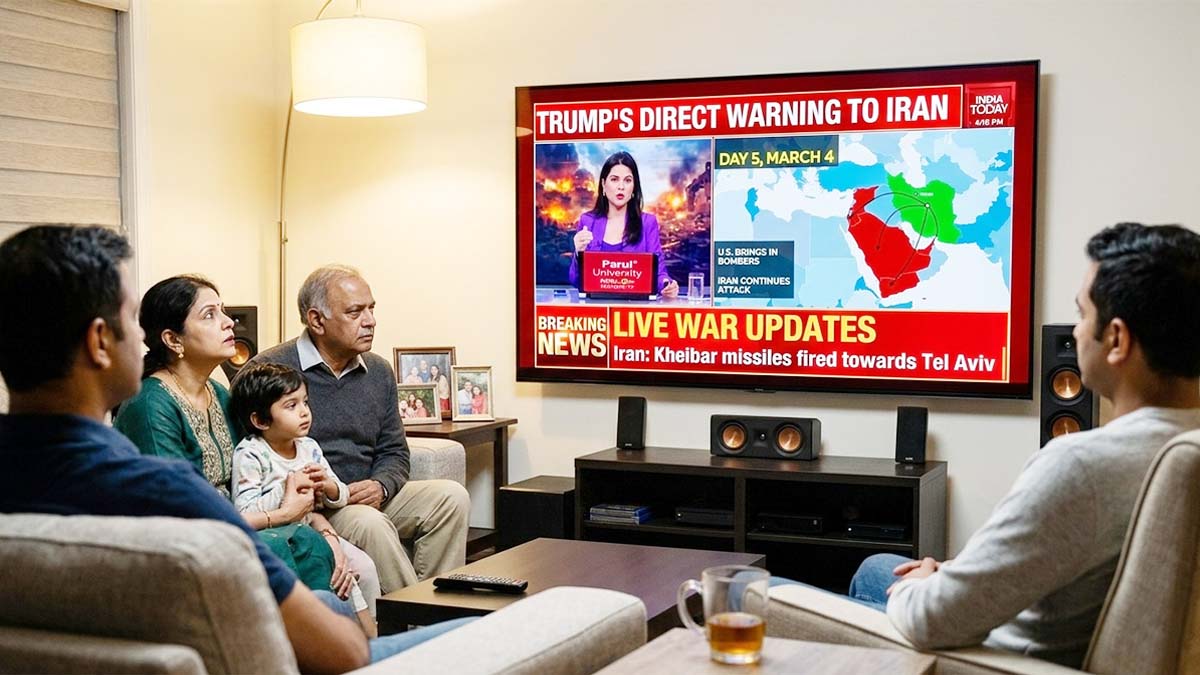
NEW DELHI: The Ministry of Information and Broadcasting has extended the suspension of Television Rating Points for news channels by another four weeks, keeping the industry in a ratings blackout for a longer stretch.
In an order dated March 31, the ministry directed the Broadcast Audience Research Council to continue withholding TRP data “for a further period of four weeks or until further directions, whichever is earlier.” This marks the second such directive after an initial four-week pause was imposed on March 6.
The government said the extension is aimed at curbing unwarranted sensationalism and speculative reporting, particularly in the context of the ongoing tensions in West Asia. It noted that the conflict continues to evolve and could trigger anxiety among viewers, especially those with personal or economic ties to the region.
TRPs serve as the primary yardstick for measuring television viewership and play a crucial role in shaping advertising revenues and competitive positioning among news broadcasters. Their absence effectively removes a key performance benchmark, forcing channels to operate without publicly available ratings.
The directive applies specifically to news television channels and has been issued under the government’s regulatory powers in the interest of public order. While the move is framed as a temporary measure, its continuation suggests ongoing concerns about the tone and nature of coverage.
For broadcasters, the extended blackout means navigating a high-stakes news cycle without the usual scoreboard. Whether it tempers the noise or simply shifts the battle elsewhere remains to be seen, but for now, the ratings race is officially on pause.






