Hindi
Poster Boys: Old-fashioned entertainer

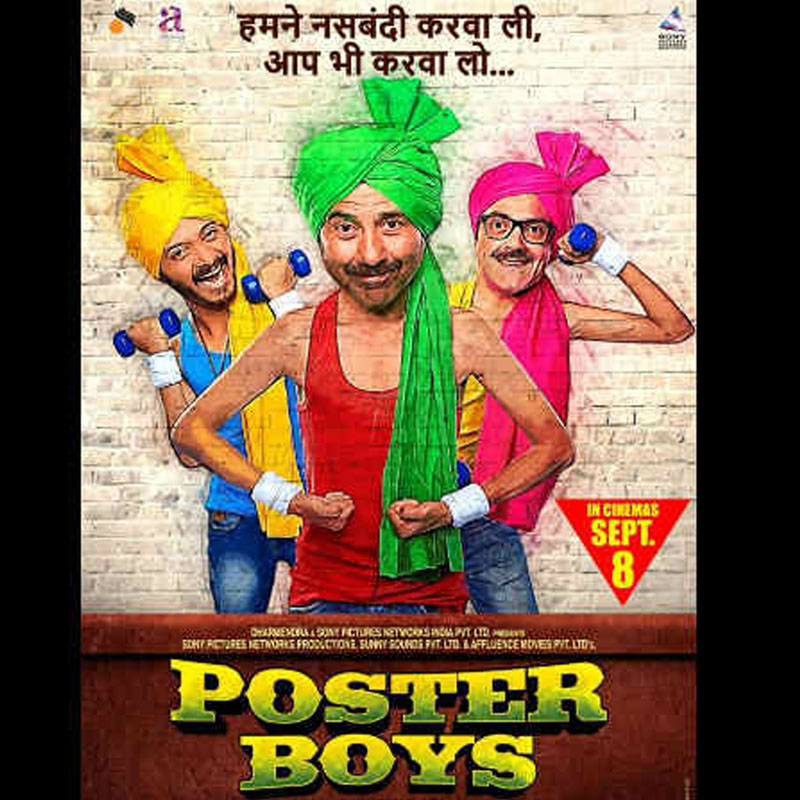
Poster Boys is a remake of the 2014 Marathi film, Poshter Boyz. A comedy, the film also carries a social message for men to go for vasectomy as there was no shame in doing so while also not forcing only women to take that responsibility.
The characters played by Sunny Deol, Bobby Deol and Shreyas Talpade are three individuals from different walks of life.
Sunny is an ex-army man and a ‘chaudhary,’ the head of the house and much respected in the locality. Bobby, a schoolteacher, is a henpecked husband and a father of two daughters. Bobby’s wife is known to throw tantrums at the end of which walks off to her ‘maika.’ So much so that the driver and conductor on the bus to her village are also familiar with the couple.

The role played by Shreyas is a footloose young man, using strong-arm tactics working as a loan recovery agent along with his two childhood friends. Shreyas is in love with a girl and plans to marry her.
Sunny is preparing for his sister’s engagement ceremony but when it is time for the groom and his family, he is told that the match is off and the groom’s family did want to have anything more with Sunny’s family. However, no explanation is forthcoming.
Similarly, Shreyas’s match is vetoed by the girl’s father but he won’t explain why.
Bobby faces his usual problem, his wife walks out on him for devising a way to destroy their hope for a son. Bobby is at sea about what she means.
The three are out when, one by one, they face the cause of their problem and ostracisation by people. They see posted behind a state transport bus a poster with three of them modelling for vasectomy/nasbandi and advocating its virtues. The place the trio comes from, it is like sacrilege, something akin to losing one’s manhood! The trio becomes a butt of jokes and ridicule.
Of the three, Sunny is the mighty one but opts for peace and logic most of the time; Shreyas is aggressive and ready to fight while Bobby is the shy, xxx kind. The three, on Sunny’s say-so, decide to go to the root of this problem as to how and why their pictures were used, and who is responsible.
They realize that, in the era of digital cameras, their zest for selfies and posing for pictures has been misused.
The film is a frame-to-frame remake of its Marathi version, and has a script that cares more for gags. Some characters could have been avoided or given limited footage.
Direction is fair as Shreyas makes his directorial debut but follows the original to the T. Dialogue and gags are the lifeline and have an impact at places.
The film has one song by Daler Mehndi from Sunny Deol’s 1999 film, Arjun, that works. The production value is shoddy.
As for performances, Sunny is restrained and effective. Bobby is awkward at times but that goes with his character. Shreyas has the author -backed role of an extrovert and caters to the gallery.
Poster Boys is an average entertainer. Having opened below par, it has the weekend to cash in on. The prospects thereafter hold limited hope.
Director: Shreyas Talpade.
Cast: Sunny Deol, Bobby Deol, Shreyas Talpde, Samiksha Bhatnagar,Murli Sharma, Dilip Prabhavalkar, Bharti Achrekar and Randheer Rai.




Hindi
Marico founder Harsh Mariwala’s book Harsh Realities set for film adaptation
Almighty Motion Picture taps Karan Vyas to script Marico story
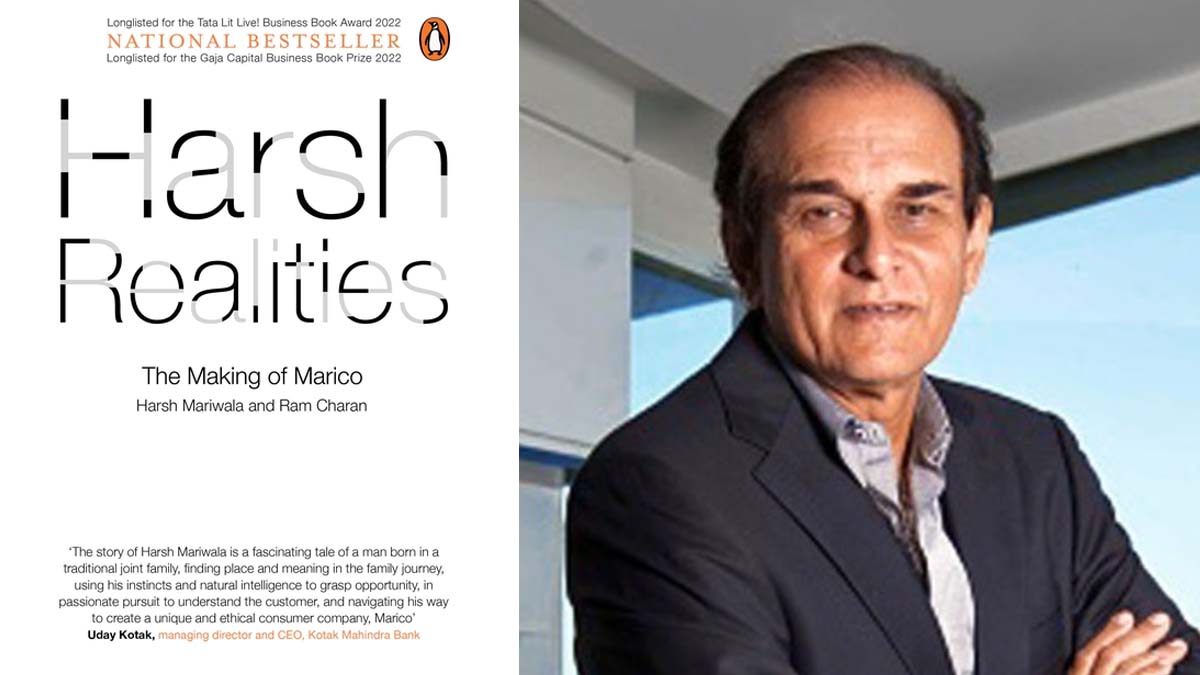
MUMBAI: Almighty Motion Picture is turning its lens on India Inc., with plans to adapt Harsh Realities: The Making of Marico into a screen project. The story charts the rise of Harsh Mariwala, the chairman and founder of Marico, and is currently in early development, according to a report by Variety.
Writer Karan Vyas, known for his work on Scam 1992, Scoop and Made in India – A Titan Story, is attached to pen the screenplay. The project continues the studio’s growing interest in real-life Indian narratives that blend business with human drama.
At the heart of the story lies a defining moment in 1987, when Mariwala chose to step away from the family-run Bombay Oil Industries and strike out on his own. What followed was not just the creation of a company, but the reinvention of a legacy. Marico would go on to become a global FMCG player, with brands like Parachute, Saffola, Set Wet and Livon becoming household names, reaching nearly one in three Indians.
The source material, co-authored by Mariwala and renowned business strategist Ram Charan, offers more than a boardroom chronicle. It captures the grit behind the growth, the risks behind the rewards and the leadership lessons forged along the way.
The adaptation aims to move beyond balance sheets and brand milestones, focusing instead on the person behind the enterprise. Expect a narrative that leans into the emotional stakes of entrepreneurship, where decisions are as personal as they are professional.
Today, Marico draws about a quarter of its revenue from international markets across Asia and Africa, reflecting its steady transformation from a domestic player into a multinational force. Yet, if the makers have their way, the screen version will remind audiences that every global success story begins with a leap of faith.
With development set to begin soon, this is one business story that may just trade spreadsheets for storytelling, and profit margins for moments that linger








