Applications
Post production segment moves focus to digital processes


MUMBAI: The post production segment has moved focus from analogue to new age digital processes.
The Ficci KPMG report notes that the post production segment is poised for stupendous growth as Indian filmmakers discover the magic of digitisation. Technology has revolutionised the very process of filmmaking, especially at the post-production stage. This has given rise to a plethora of digital labs and studios in India catering to new age editing, Digital Intermediate (DI) and other digital processes.
The sector is currently estimated at Rs 15.5 billion and is expected to grow at a CAGR of 16 per cent by 2017. Key contributors to growth are established segments such as DI and also newer ones such as Restoration and Conversion. Additionally, the digital revolution has made the video editing work flow process quicker, from time-consuming (tape to tape) linear video editing to online editing suites and to computer hardware and video editing software such as Adobe Premier, Final Cut Pro, as well as the incorporation of Cloud technologies for storage and technology/software access.

Colour correction via telecine on tapes for edit has replaced the traditional rushes printing process in the processing lab. The Steen beck method of editing analogue rush prints in a linear manner has given way to film editing on non-linear software-based systems such Avid/FCP. DI processes have moved up from 2K resolution to 4K resolution for greater detail and quality. The final deliverables for film outputs have increased from only analogue 35mm prints to Digital DCPs.
Meanwhile, the VFX industry, a rapidly evolving segment in India, is estimated at approximately Rs. 7.77 billion and can be broadly classified into the following verticals – movies, TV shows and advertisements. As the segment is still at a nascent stage and domestic consumption remains limited, with mainly low-end work being carried out in India, there is considerable dependence on outsourced projects from the US and the UK.
However, the domestic market is now witnessing bigger budget film releases and ad campaigns, for which players have increased spending on VFX so as to provide an enhanced visual experience for viewers. The segment registered 35 per cent growth over 2008-2012 and is expected to grow approx 20 per cent CAGR to reach Rs 19 billion in 2017.
Technicolor India country head Biren Ghose notes that India has ascended to the top of the pyramid when it comes to CG animation/VFX productions. “MPC‘s ‘Life of Pi‘, ‘Prometheus‘ and ‘Skyfall‘; DreamWorks Dedicated Unit‘s – ‘Madagascar 3‘ and ‘Rise of the Guardians‘; Technicolor Animation‘s services in Mattel‘s ‘ Barbie And the Pink Shoes‘ and award winning episodic work for Nick on ‘Kung Fu Panda‘ and ‘Teenage Mutant Ninja Turtles‘ – is proof enough.”
On an average, Indian movies have limited budgets for visual / special effects. In India VFX budgets are considerably below international benchmarks, even as a percentage of production costs. The VFX budgets for Hollywood movies range from $ 3 million to $ 9 million, which could cover the cost of an average Indian movie. However, VFX budgets for Indian movies, including regional cinema, are showing an increasing trend and are expected to boost the segment. Also, spends by the ad industry on VFX have been increasing.
To create a 3D film, film-makers can either shoot films in 3D or shoot in 2D and later convert to 3D at the post-production stage. The latter approach is preferred as shooting in 3D is expensive, time-consuming and has limited flexibility and greater complexity in editing and adding VFX at the post-production stage.
In 2012, ‘Star Wars I‘ and ‘Titanic‘ were re-released in 3D, generating box-office collections of $ 45 million and $ 54 million respectively. This indicates that there is a potential for 3D re-releases of older hits, especially given the relatively low conversion costs involved. After the release of ‘Avatar‘ in 2009, the number of 3D digital screens exploded worldwide from 3,800 in 2008 to approximately 43,000 in 2012. Also, in 2012 a deal was signed between China and US allowing 14 foreign made movies into China every year which is a 70 per cent increase in the current quota of 20 films. However, to qualify for the list the movies have to be in 3D or Imax technology. Ficci KPMG report has given the examples of companies like Prime focus which did 2D to 3D conversions for films like ‘Green Lantern‘ and ‘Clash of the Titans‘.





Applications
With 57 per cent single new users, Ashley Madison rebrands as discreet dating platform
Platform says majority of new members now identify as single
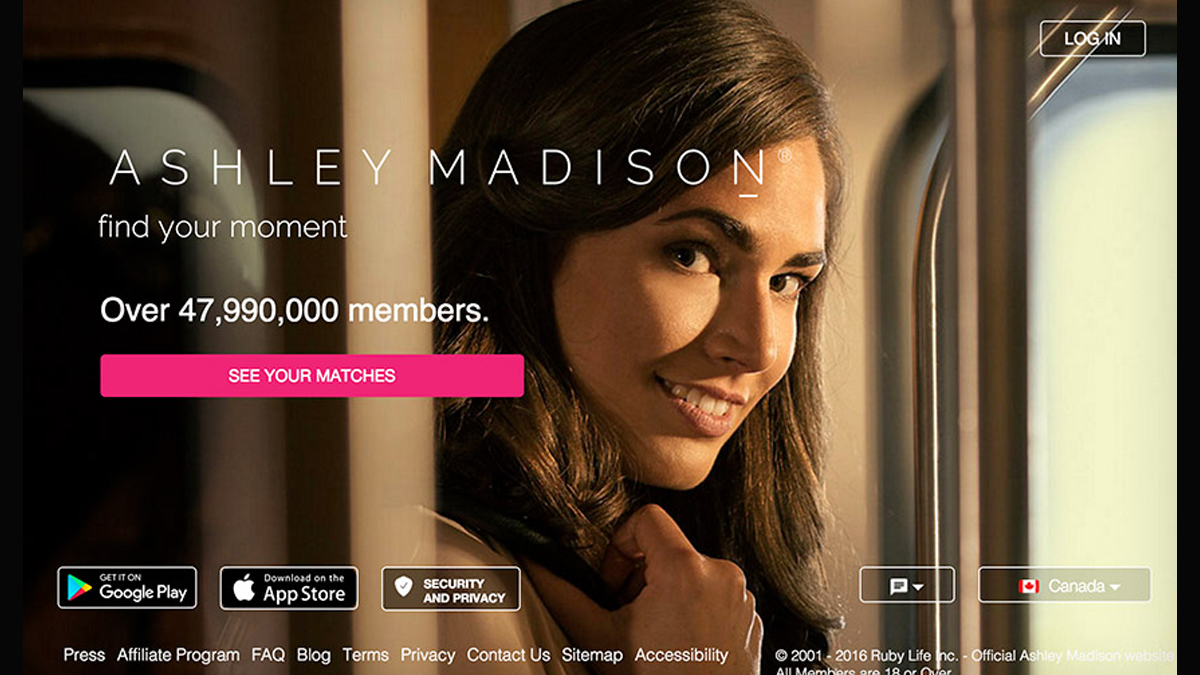
INDIA: Ashley Madison is shedding the “married-dating” label that defined it for two decades, repositioning itself as a platform for discreet dating in what it calls the post-social media age.
The rebrand, unveiled in India on 27 February, 2026, marks a structural shift in business model and identity. Once synonymous with married dating, the company now describes itself as the “premier destination for discreet dating” under a new tagline: Where Desire Meets Discretion.
The pivot is data-driven. Internal figures show that 57 per cent of global sign-ups between 1 January and 31 December, 2025 identified as single: a notable departure from the platform’s married core. The company argues that its community has already evolved beyond its original positioning.
“In an age where our lives have been constantly put on public display, privacy has become the new luxury,” said Ashley Madison chief strategy officer Paul Keable. He framed the platform’s offering as “ethical discretion” for singles, separated, divorced and non-monogamous users seeking private connections.
The shift also taps into wider digital fatigue. A global survey conducted by YouGov for Ashley Madison, covering 13,071 adults across Australia, Brazil, Canada, Germany, India, Italy, Mexico, Spain, Switzerland, the UK and the US, found mounting discomfort with hyper-public online lives.
Among dating app users, 30 per cent cited constant swiping and messaging as a source of fatigue, while 24 per cent pointed to pressure to curate public-facing profiles and early personal disclosure. Some 27 per cent said fears of screenshots or information being shared contributed to exhaustion; an equal share cited unwanted attention.
The retreat from oversharing appears broader. According to the survey, 46 per cent of adults actively try to keep most aspects of their life private online. Only 8 per cent feel comfortable sharing most aspects publicly, while 35 per cent say they are becoming more selective about what they disclose.
Ashley Madison is betting that this cultural recalibration towards controlled visibility can be monetised. By doubling down on privacy infrastructure and reframing itself around discretion rather than infidelity, the company is attempting to convert reputational baggage into a premium proposition.