Hindi
Players makes for dull viewing

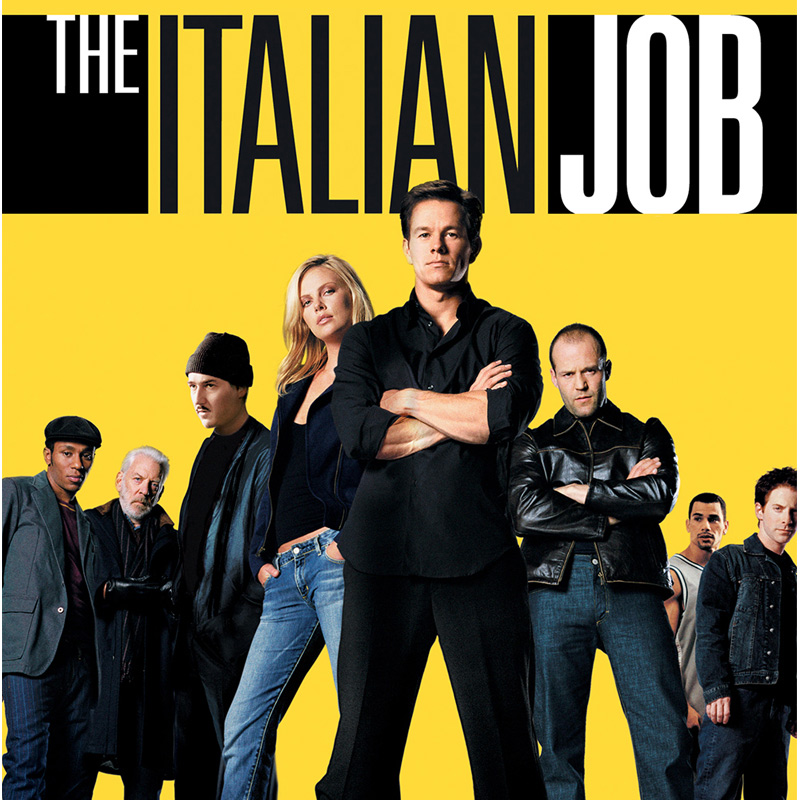
MUMBAI: The search for subjects for films seems to be getting more and more desperate as producers and directors take recourse to sequels and remakes of old movies, regional movies as well as foreign movies. Players, in this event, is inspired by a Hollywood caper movie, The Italian Job (made twice; 1969 and 2003) where a bunch of specialists form a team to steal a cache of World War I-era gold worth billions.
 |
Producer: Burmawala Partners, Viacom 18 Motion Pictures. |
But Players is what happens when a star is expected to make up for everybody and everything else, including the script!
Abhishek Bachchan is a master criminal specialising in high value heists. He next wants to rob a train carrying gold from under the nose of the Russian army, which is escorting this special train. As in all such films, he needs a team of experts in various skills. Vinod Khanna, a past master at heists, helps him put the team together. On board come Bobby Deol, a magician; Sikander Kher, an explosives expert; Bipasha Basu, an automobile wizard who can attach turbo rocket jets to an age old train engine and make it fly on tracks (!); Neil Nitin Mukesh, a computer hacker; and Omi Vaidya, a gifted make-up and get-up ace. Also on standby are Sonam Kapoor, also a computer hacker and Johny Lever, who can devise and put together any kind of vehicle on four wheels.
The team embarks on the job by hiring a train which runs parallel to the gold-laden train and the heist is successful. Going by heist movie guidebook, it is time for twists and turns and breakups as well as betrayals. One of the team members has greed greater than his due share in the loot and he attempts to finish the rest of the team and vanish. The latter part is all about one-upmanship and getting the gold back.
Both Hollywood versions of The Italian Job had a running time of between 100 and 110 minutes, Players is stretched to 2 hours 30 minutes and this is its first drawback. Secondly, the extensive planning stages and computer mumbo-jumbo, which not many cine-goers care for, also makes for dull viewing. The ultimate major problem is the star cast, which comprises those lacking draw at the box office, are not quite capable of carrying off two and a half hours of drama, and lack of excitement or enthusiasm they show carrying out the job.
Yes, the film has great visuals and finesse as well as well-executed action and stunt sequences but the credit for these goes neither to the writers nor the director duo. Whatever is left to them is nothing much to write home about. Songs in the film are not only bad; they could easily have been dispensed with. Editing is so slack as to be non-existent. Of the technical aspects, cinematography deserves mention. In the cast, the one who does best and helps hold the film together in parts is Johny Lever, a fact which says a lot about the others. Abhishek Bachchan, Bobby Deol, Bipasha Basu and Sonam go about their parts routinely. Neil Nitin Mukesh tries but lacks in varying his expressions. Omi Vaidya is okay. Sikander Kher looks sincere in his efforts. Vinod Khanna has little to do.
Players is a case of just about everything going wrong with a film, from script and execution to casting and public response.
There is an age old belief in the industry that films released on the first Friday of a new year always flop and Players may continue that myth.







Hindi
Zee5 and Applause Entertainment team up for whodunnit ‘Everybody Loves Sohrab Handa’
Rajat Kapoor directs star-studded murder mystery streaming from 10 April.
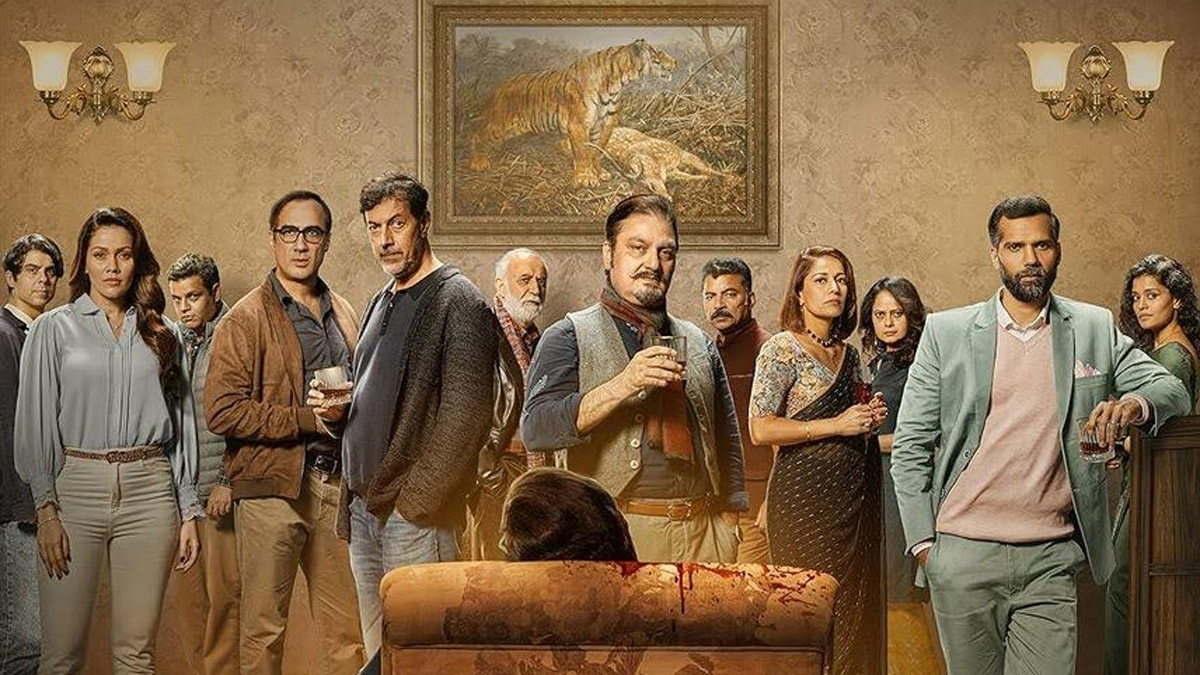
MUMBAI: Zee5 is serving up another killer collaboration and this time, the murder mystery comes with a generous side of dark humour and family dysfunction. The streaming platform has partnered with Applause Entertainment and Mithya Talkies to bring Everybody Loves Sohrab Handa, a fresh, twisted whodunnit written and directed by acclaimed filmmaker and actor Rajat Kapoor. The film will stream exclusively on Hindi Zee5 from 10 April.
The movie reimagines the classic murder mystery genre with a contemporary, darkly comic edge. It revolves around a group of friends and family who smile, drink, and celebrate together until the silence snaps and long-buried secrets spill out. The stellar ensemble cast includes Vinay Pathak, Ranvir Shorey, Waluscha De Sousa, Saurabh Shukla, Chandrachoor Rai, Neil Bhoopalam, Koel Purie, Palomi Ghosh, and Rajat Kapoor himself.
This latest offering continues the successful partnership between Zee5 and Applause Entertainment, which has previously delivered diverse hits such as Mithya, Bloody Brothers, and Jab Khuli Kitaab.

&TV Business Head of hindi Zee5 and chief channel officer Kaveri Das said, “Our collaboration with Applause Entertainment has consistently delivered distinct, high-impact storytelling. Everybody Loves Sohrab Handa is a natural progression, reinforcing our focus on genre-led content with a compelling whodunnit premise and a strong ensemble cast.”
Applause Entertainment business head for movies Sunil Chainani added, “This film adds yet another compelling layer to our slate with Rajat Kapoor’s unmistakable voice.”
Rajat Kapoor shared, “What interested me was not just the mechanics of a whodunnit, but the emotional violence that precedes physical violence. These are people who smile at each other, but there’s so much that is not said.”
The film promises razor-sharp writing, layered performances, and simmering tension, inviting viewers not just to solve the crime but to unravel the complex relationships at its heart.
If you love a good murder mystery served with wit and emotional depth, Everybody Loves Sohrab Handa looks set to be your next addictive watch. Mark your calendars, the whodunnit drops on Hindi Zee5 from 10 April.






