News Broadcasting
Phase II target of I&B minister for FM Radio may not be met

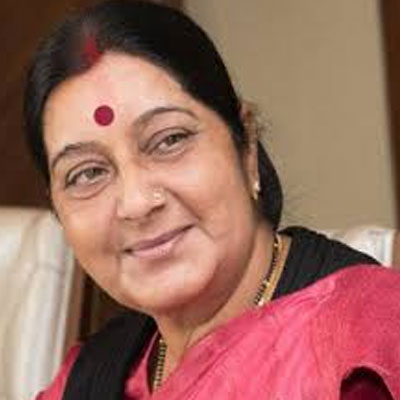
NEW DELHI: Though India’s information and broadcasting minister Sushma Swaraj would like the second phase of privatisation of FM radio to be completed within the next quarter, bureaucrats feel there may be some hindrances.
Speaking to indiantelevision.com, a senior official of the I&B ministry said, “It’s laudable of the minister to take up so seriously the second phase of FM radio, but there are certain issues which need to be looked into before this is done.”
Pointing out that a final decision, keeping other factors in mind, will rest with the minister only, the official added, “Issues like pending litigation from the first phase of FM radio sector’s opening up will have to be taken into account before the formalities for the rollout for the second phase is completed.”

For the second phase of private FM radio, around 70 cities have been identified. As for AIR FM, around 60 to 65 stations are expected to come up till 2007. At present, there are 234 AIR FM stations in 200-odd cities/towns. Private FM is present in nine cities even as more private FM stations are expected to come up in another six cities, including Delhi.
The ministry official also said that this time round the government might not go in for auctioning of the licences in various cities and evolve some other methods of giving licences.
“Past experience has shown us that auctioning of licences mean bids which at times go very high. Later the players concerned realise they have bid too high and the business model has become unviable. We don’t want a repetition of this as this point had led to quite a few private companies, during the first phase, to move the courts,” he explained.
Swaraj in an interview to indiantelevision.com last weekend had said that as part of her next year’s agenda the government would like to complete the formalities of the second phase of FM radio by 31 March 2003. As reported by us earlier, she had also said that the government is looking at working out a mechanism which would help avoid duplication of efforts by All India Radio and private players in the same geographical area.
“We are looking as to how avoid duplication. In those places where AIR already operates FM stations, we’d probably won’t like the private players to go as they can go to those cities where AIR does not operate FM radio,” Swaraj had said.
Recently Swaraj had stated in Parliament that the government had earned, so far, a total revenue of Rs. 1551.2 million on account of open auction of FM radio stations, which includes earnest money, but excludes bank guarantees lying with the government. Auctioning for licences was held for 40 cities earlier.





News Broadcasting
BBC to cut up to 2,000 jobs in biggest overhaul in 15 years
Cost pressures and leadership change drive major workforce reduction plan
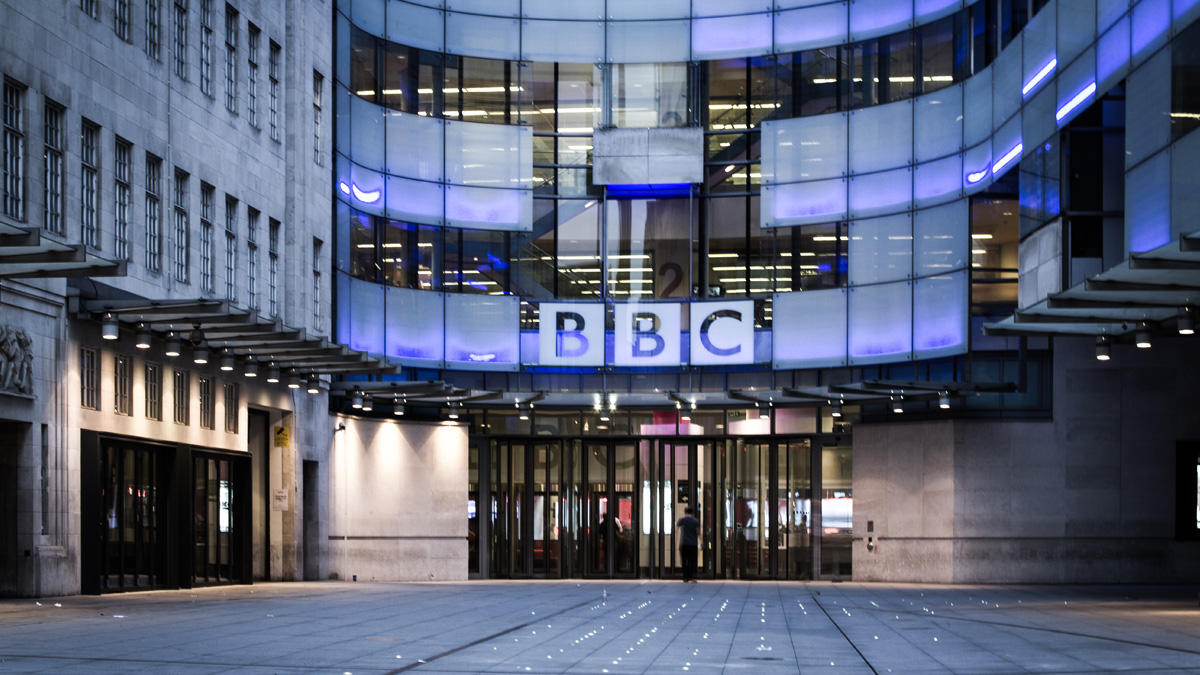
LONDON: BBC has unveiled plans to cut up to 2,000 jobs, roughly 10 per cent of its global workforce, in what marks its biggest downsizing in 15 years.
The announcement was made during an all-staff meeting led by interim director-general Rhodri Talfan Davies, as the broadcaster moves to tackle mounting financial pressures and reshape its operations.
Between 1,800 and 2,000 roles are expected to be eliminated from a workforce of around 21,500. The cuts form part of a broader plan to save £500 million over the next two years, aimed at offsetting rising costs, stagnating licence fee income and weaker commercial revenues.
In a communication to staff, BBC interim director-general Rhodri Talfan Davies said, “I know this creates real uncertainty, but we wanted to be open about the challenge,” acknowledging the impact the move would have across the organisation.
The restructuring comes at a time of leadership transition. Former director-general Tim Davie stepped down earlier this month, with Matt Brittin, a former Google executive, set to take over the role on May 18, 2026.
While some cost-cutting measures are being implemented immediately, the majority of the structural changes are expected to roll out over the next few years, with full savings targeted by the 2027–2028 financial year.
The broadcaster had earlier signalled its intent to reduce its cost base by around 10 per cent over a three-year period, warning of “difficult choices” as it adapts to shifting economic realities and audience expectations.
With operating costs hovering around £6 billion annually, the BBC’s latest move underscores the scale of the financial challenge it faces, as it balances public service commitments with the need for long-term sustainability in an increasingly competitive media landscape.